If you drive along the A14 from northern Italy towards Le Marche, you can already spot it from afar: the mighty rock of San Leo, towering above the landscape with its striking shape.

San Leo: From Le Marche to Emilia-Romagna
“Wait a minute!” you might say, “San Leo isn’t even in Le Marche—why are you writing about it?” Well, it’s such a fantastic excursion destination that it deserves a mention. It’s easily reached from northern Le Marche. And until 2009, San Leo actually was part of Le Marche. Only then was it reassigned to the region of Emilia-Romagna. Let’s say that we’re missing it having as a part of our region 😉
A Brief History of San Leo
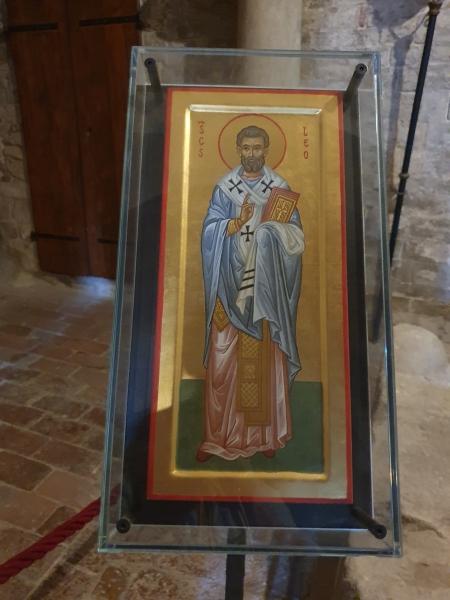
The mountain where San Leo now stands was already known to the Romans as Mons Feretrius (from which the name Montefeltro later derived). A temple dedicated to Jupiter Feretrius once stood here. In the 4th century, the Dalmatian stonemason Leo settled here with his companion Marino (after whom nearby San Marino is named). Together, they played a major role in the Christianization of the region. Around the year 1000, the town was officially named San Leo after him, while “Montefeltro” remained the name for the surrounding area.
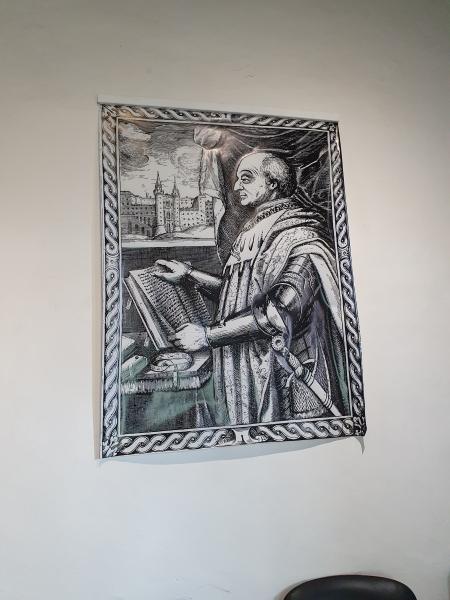
By the 10th century, San Leo had become a bishopric. Its true rise to power, however, came in the Middle Ages, when the noble Montefeltro family made it their seat. Over the centuries, the town was contested by other dynasties such as the Malatesta, the Medici, and the Della Rovere. In 1631 it became part of the Papal States, bringing a long period of stability.
“The Most Beautiful Town in Italy”
The Italian writer Umberto Eco once jokingly called San Leo “the most beautiful town in Italy,” describing it as “a fortress and two churches.” And that’s exactly what you’ll find:
- The Cathedral dedicated to St. Leo.
- The parish church (Pieve) of Santa Maria Assunta, the oldest religious building in the area.
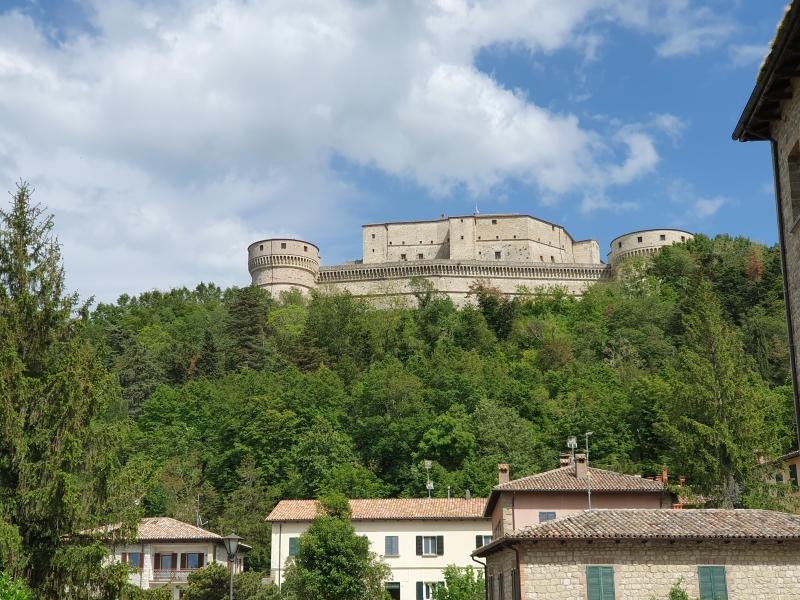
- The fortress (Rocca), perched dramatically above the rock.
One beautiful May day, Elke and Otto drove up the only access road to San Leo. They parked in the designated parking lot below the small town center and made their way to the sights.


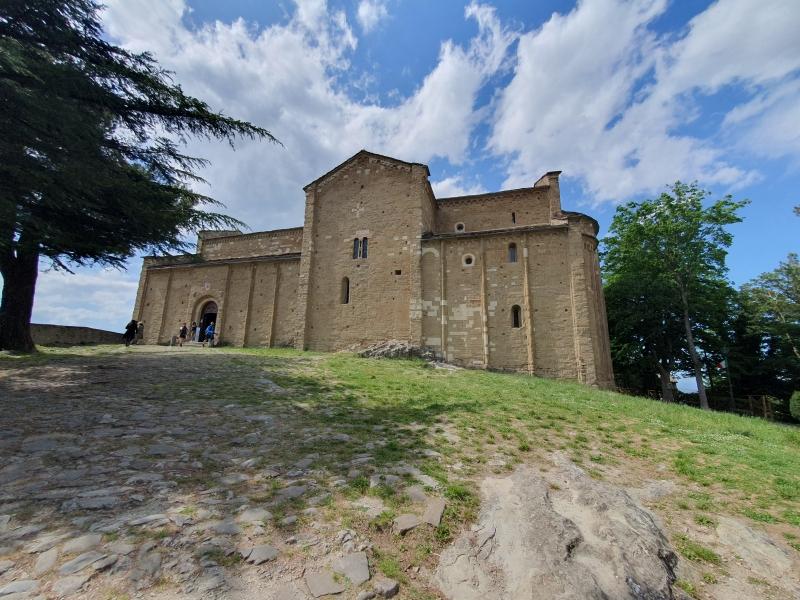
The Cathedral of San Leo
Unmistakable, the 12th-century Romanesque cathedral stands proudly on a rock. Curiously, its portal is located on the south side rather than at the front—an unusual choice, but one dictated by the altar’s orientation towards Jerusalem.
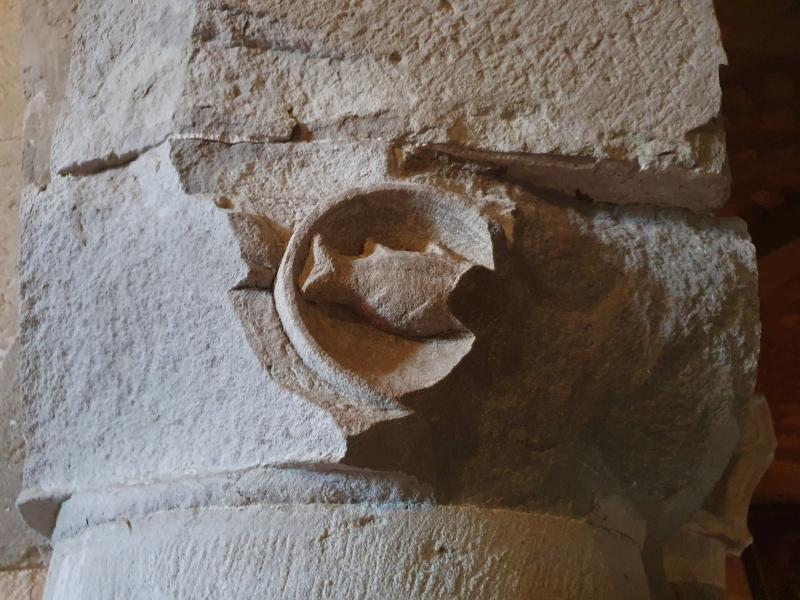
Inside, we noticed the raised altar, reached by a broad stone staircase. Particularly fascinating were the 70 small reliefs carved into the columns, designed to “explain the world” to the many illiterate faithful of the time.
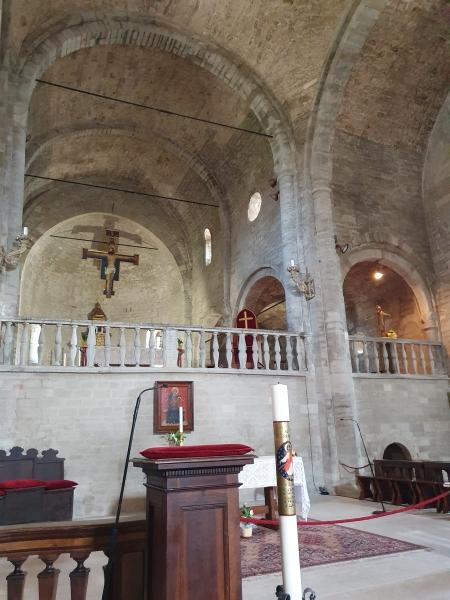
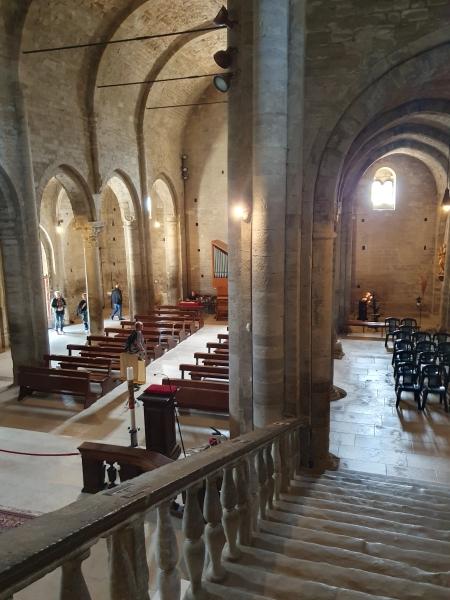
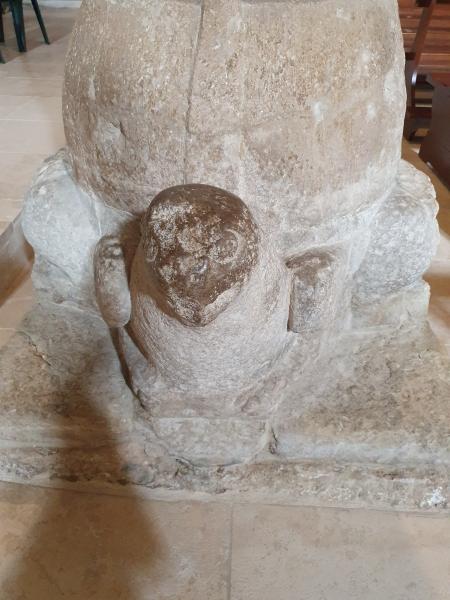
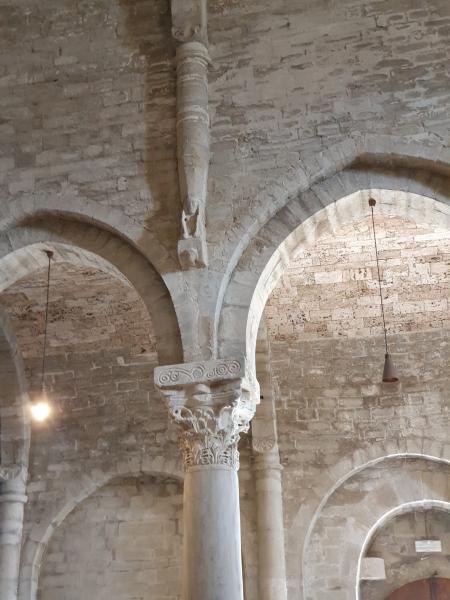
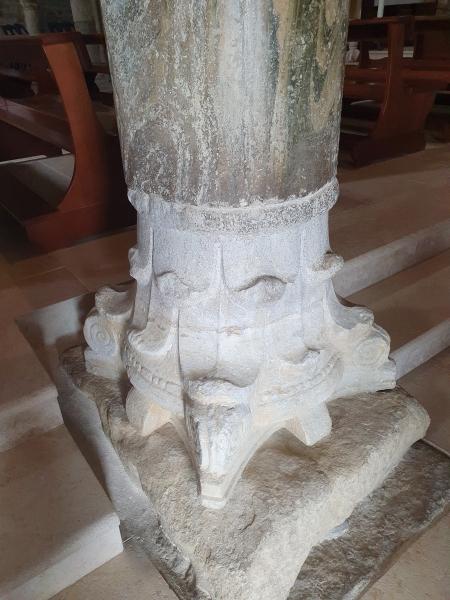
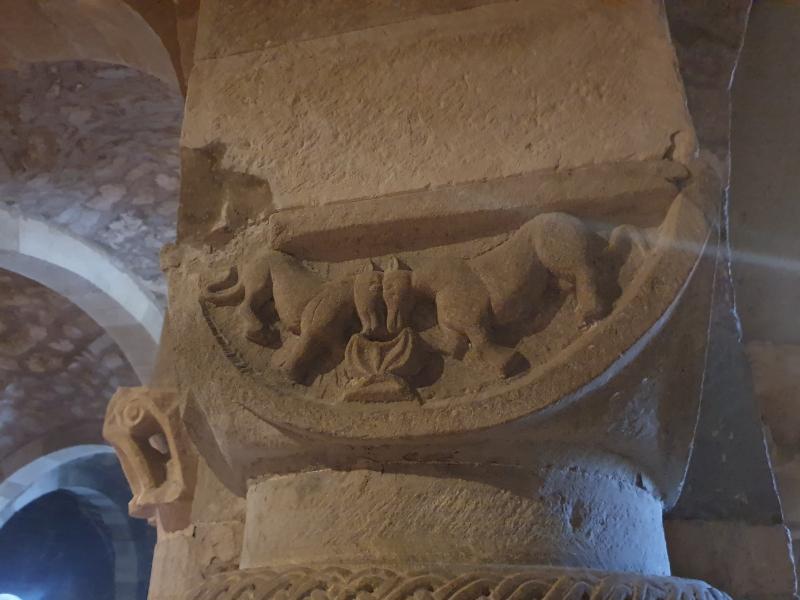
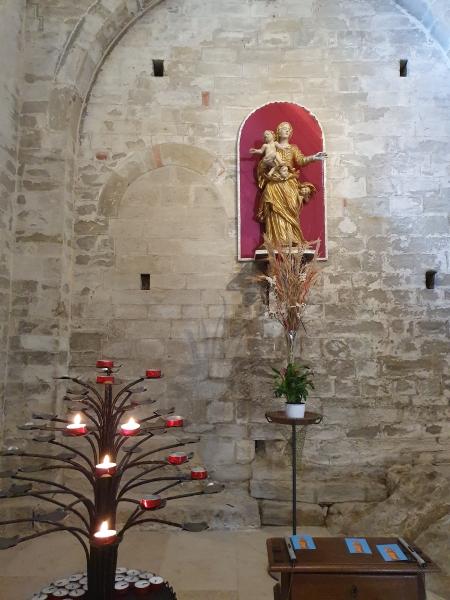
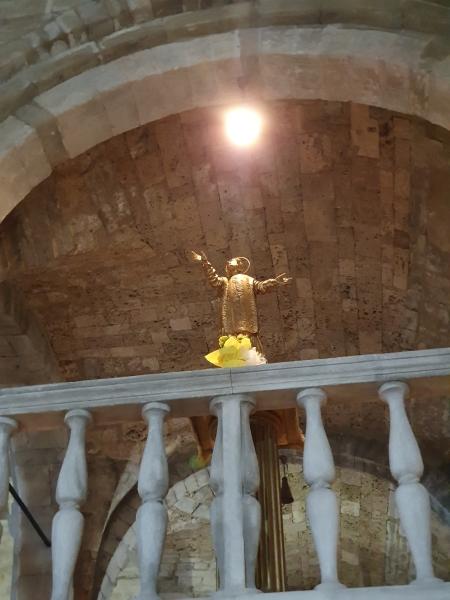
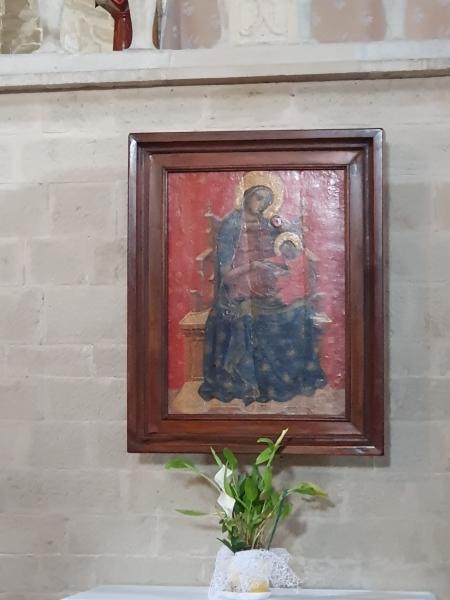
Among the treasures were gilded statues of the Madonna of the Rosary and St. Leo (1600), as well as a 14th-century image of the Madonna with an Apple by Catarino Veneziano.
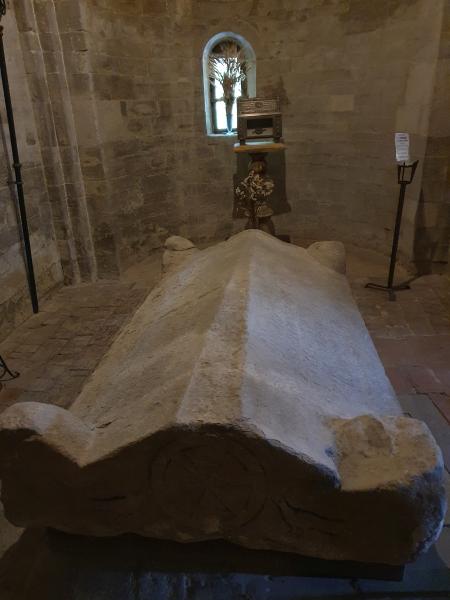
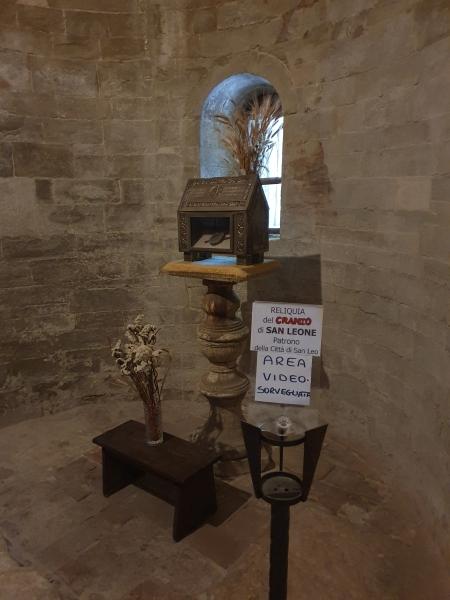
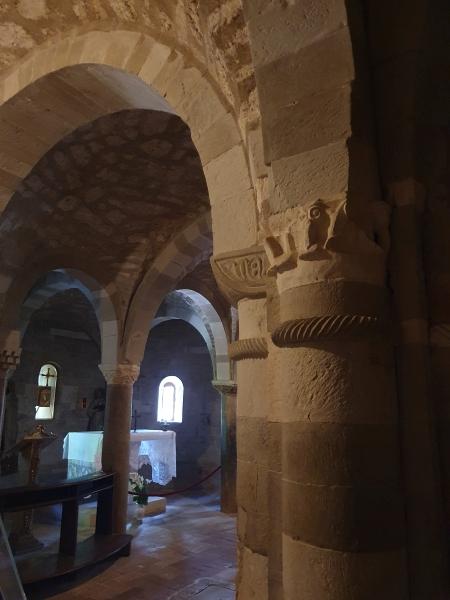
Descending into the crypt—the oldest part of the church—we found Roman columns, noble tombs, and the slab of St. Leo’s sarcophagus. His remains, however, were removed in 1016 and relocated to a shrine in northern Italy, though a fragment of his skull still remains here as a relic.
The Pieve of Santa Maria Assunta
Directly opposite the cathedral stands the Pieve di Santa Maria Assunta, the oldest church in Montefeltro, dating back to the 9th century (Carolingian period). Tradition says St. Leo himself built an earlier chapel here in the 4th century.
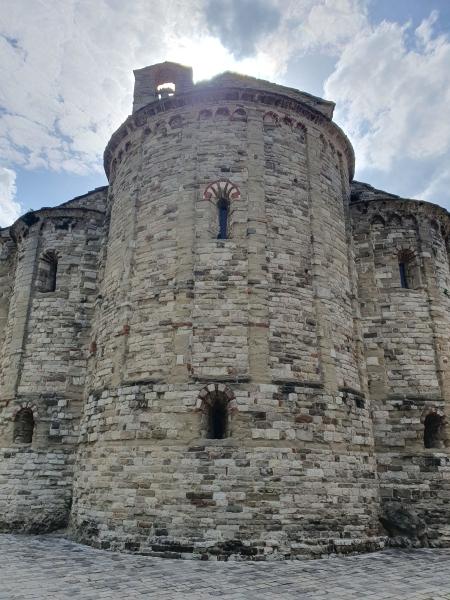

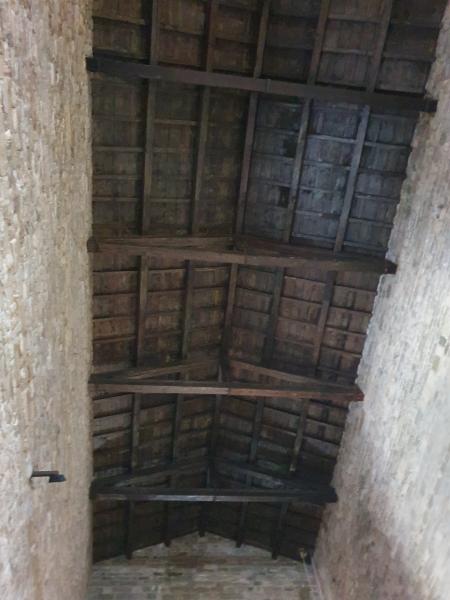
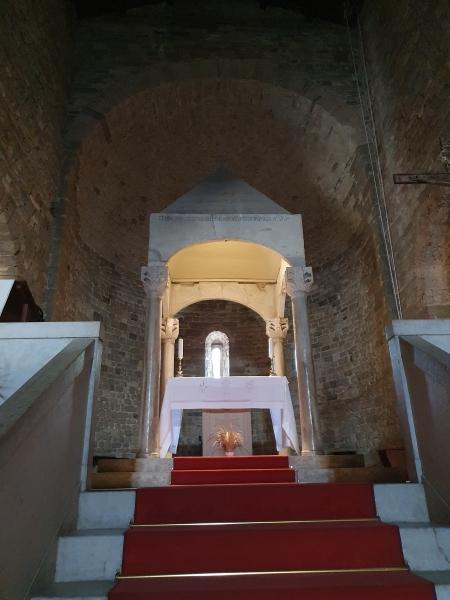
Like the cathedral, the entrance is to the side, as the rocky ground didn’t allow for a frontal doorway. Inside, we admired the elevated chancel with its snow-white canopy (donated in the 9th century by Duke Orso), but my favorite feature was the dark wooden ceiling.


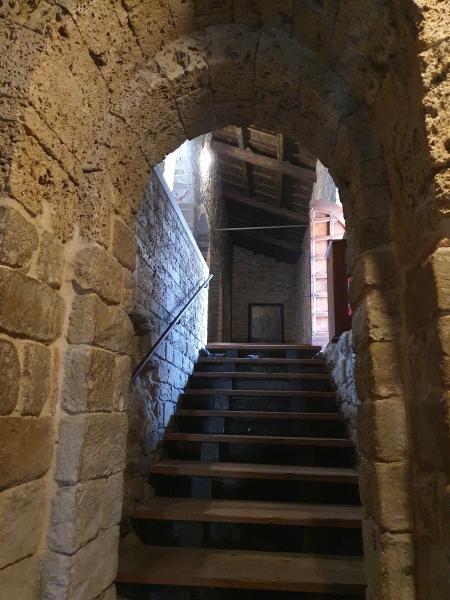
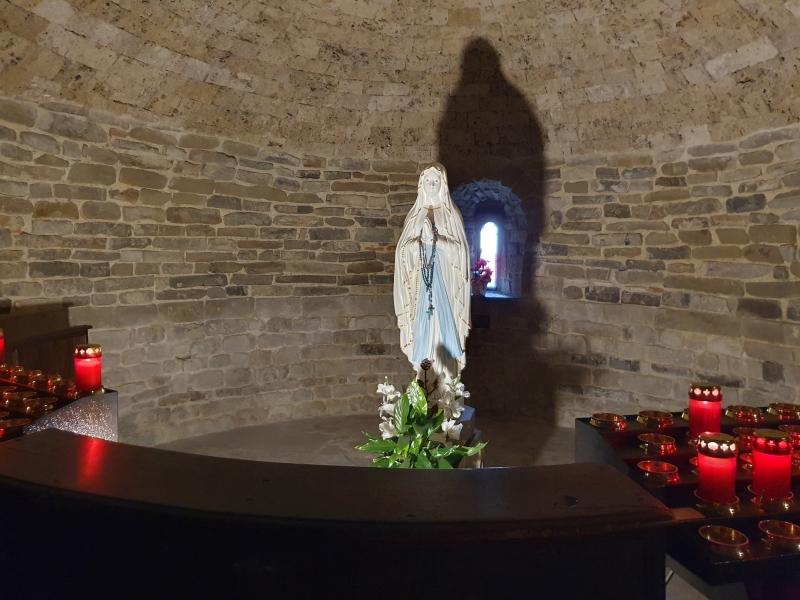
In the crypt, we discovered a statue of the resurrected Virgin Mary, installed in 2008 for the 150th anniversary of the apparitions of Lourdes.

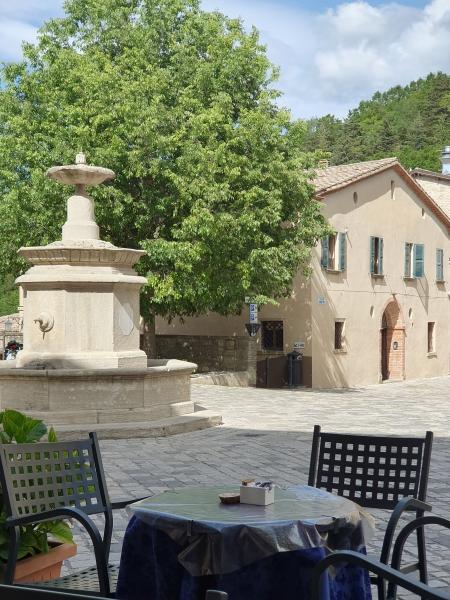
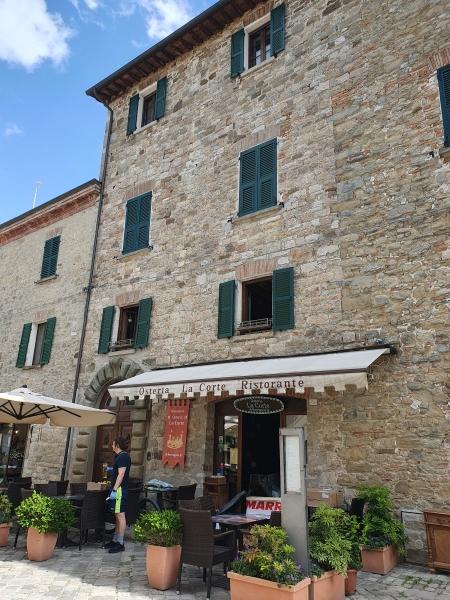
Back in the sunlight, we enjoyed a refreshing drink at the bar in the main square, soaking in the tranquil atmosphere of the village.
The Rocca of San Leo
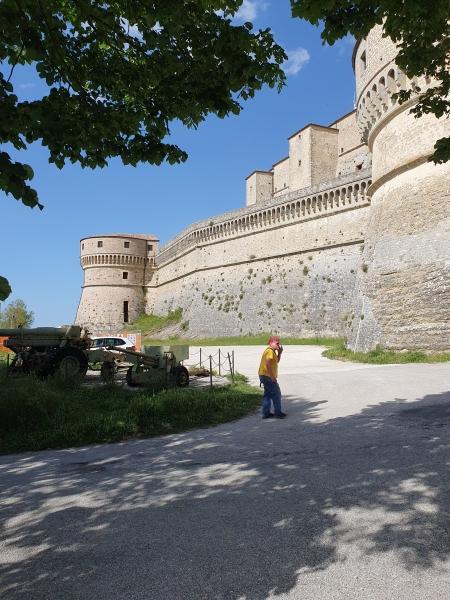
Finally, we climbed up to the fortress of San Leo. There’s also a shuttle bus from the main square, but we preferred the 600-meter walk. At the top, we bought our tickets (€10 per person) from a machine and stepped inside.
The Fortress Through the Ages
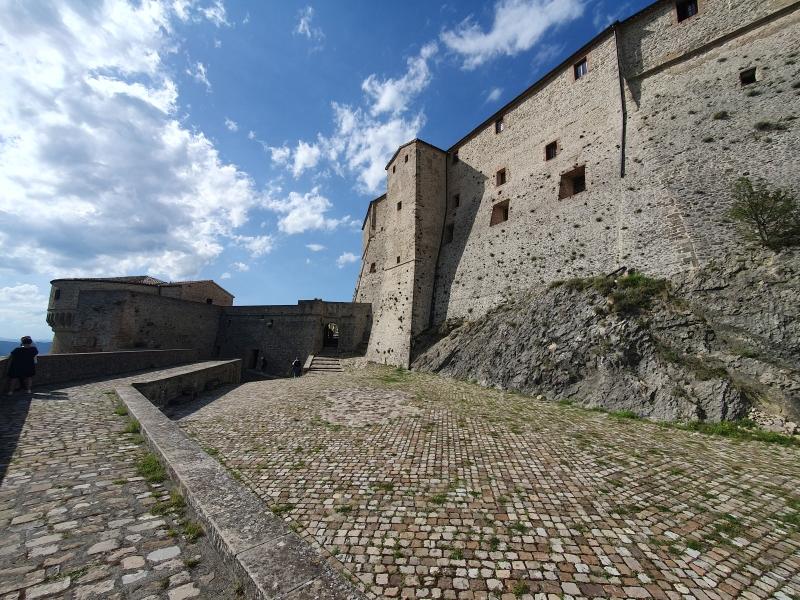
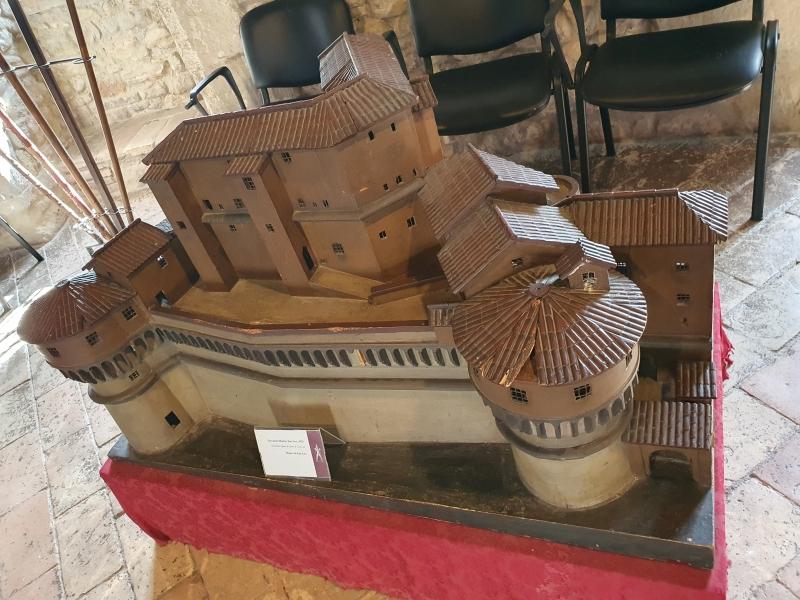
The Rocca was originally built in the 6th century. Fiercely contested in the 14th and 15th centuries, it was finally captured in 1441 by Federico da Montefeltro, who commissioned Renaissance architect Francesco di Giorgio Martini to modernise and expand it. When San Leo was absorbed into the Papal States in 1631, the fortress was converted into a prison. Its most famous prisoner was the enigmatic Count Cagliostro, who remained there until his death. The fortress continued to serve as a prison until 1914 and is now a museum.
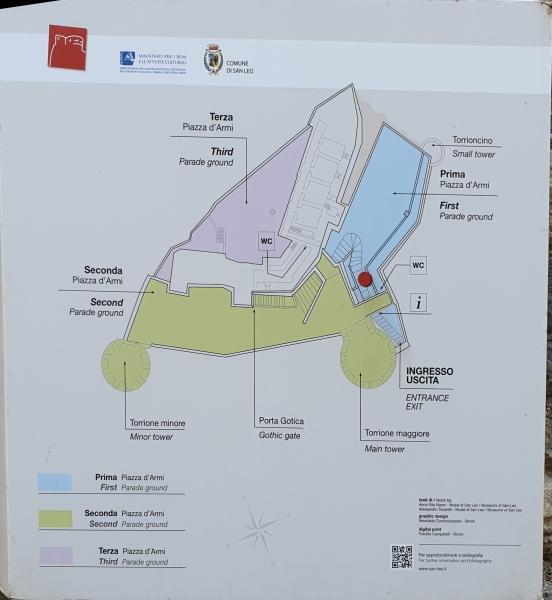
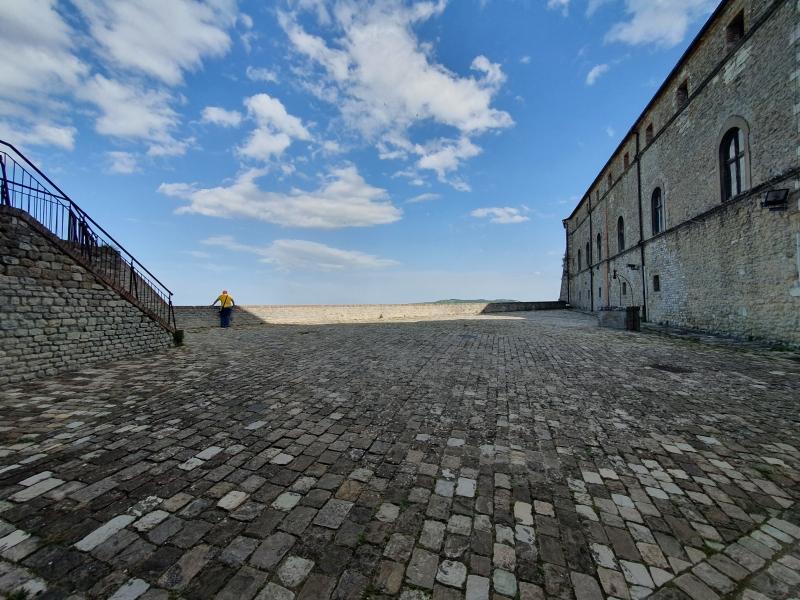
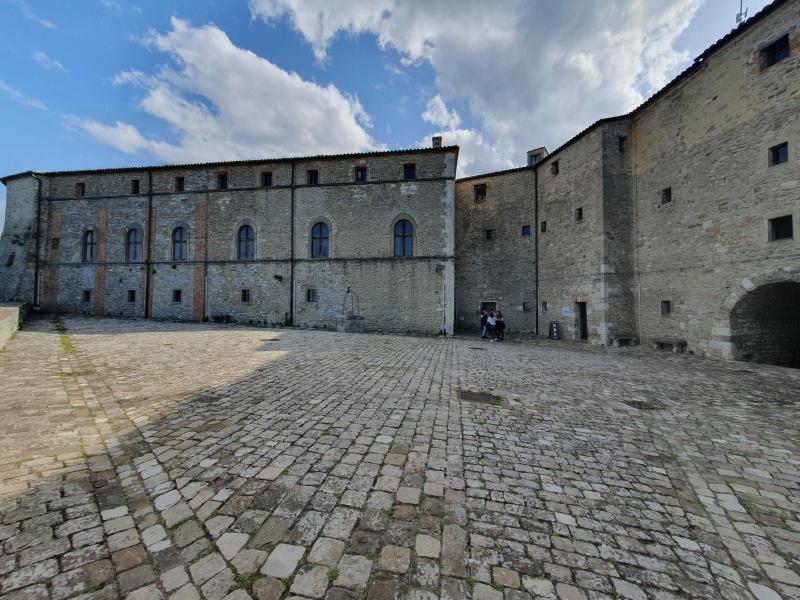
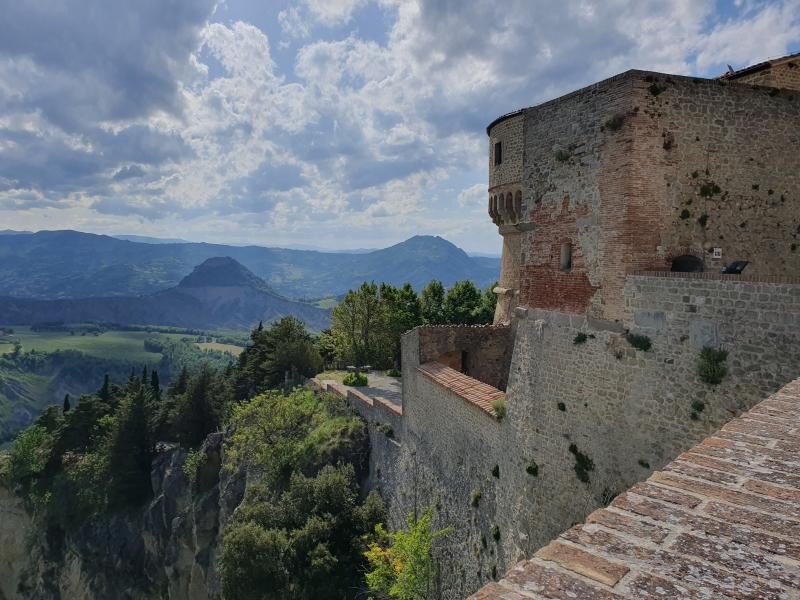
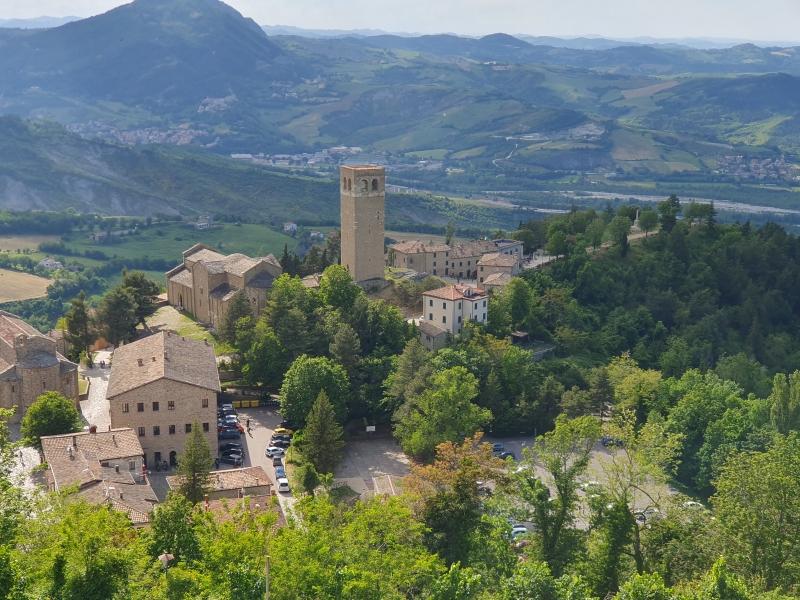
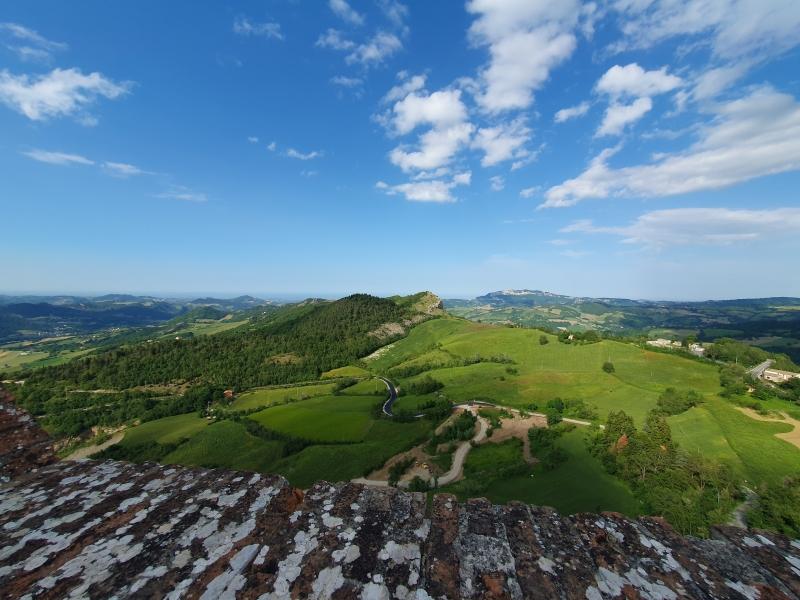
The sheer size of the Rocca is impressive, with multiple buildings, courtyards, and even a vast parade ground that was still used by the military in the early 20th century. And of course, the panoramic views over the surrounding countryside are breathtaking.

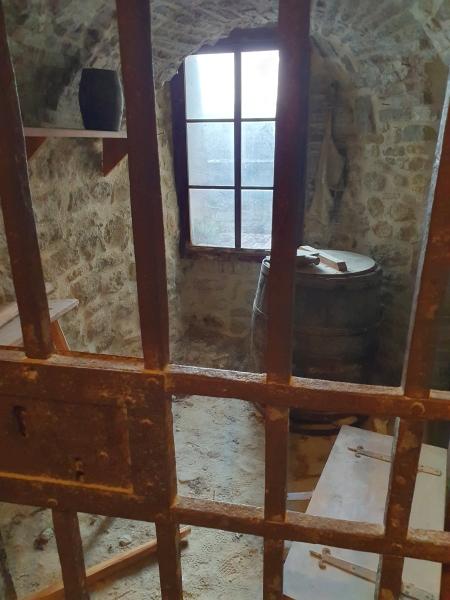
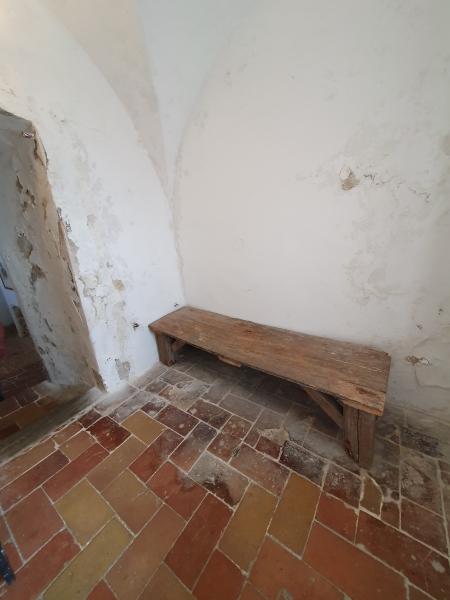
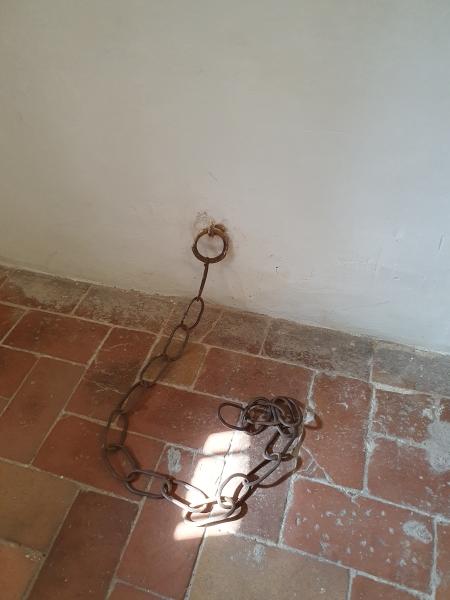
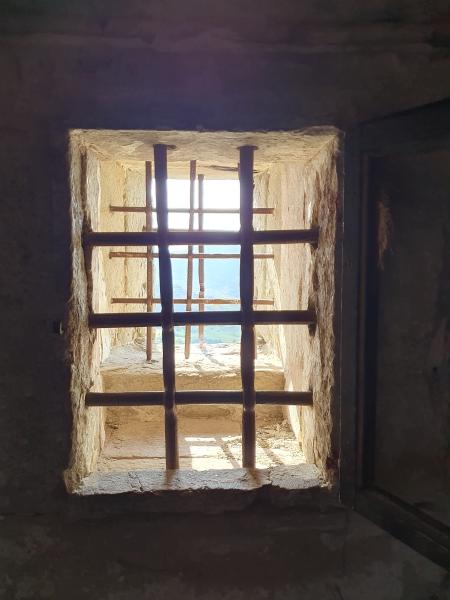
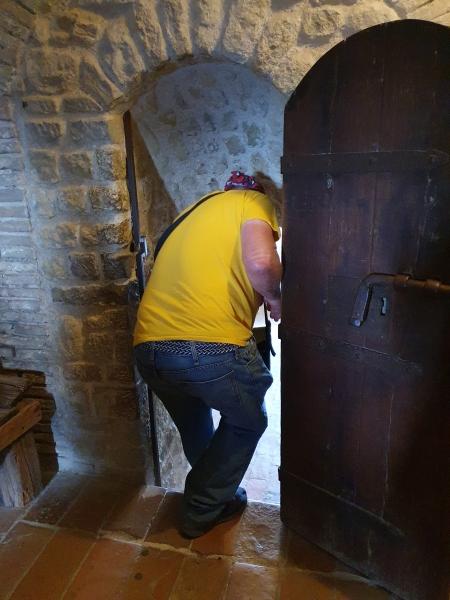
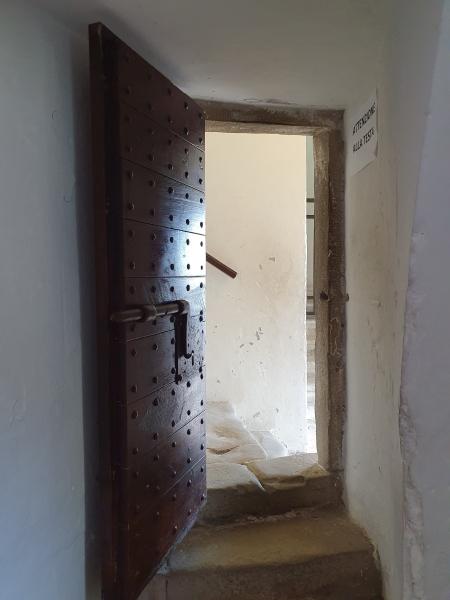
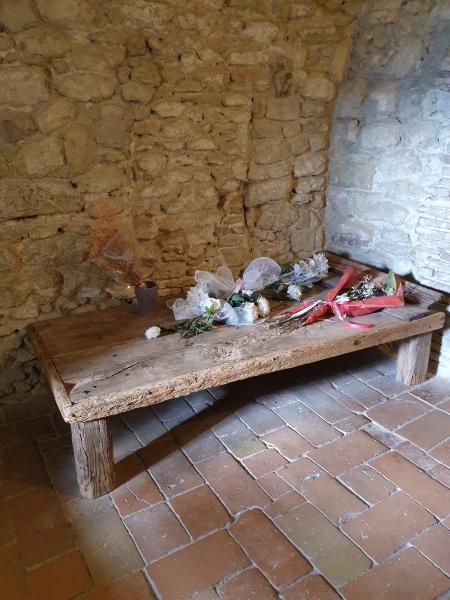
Count Cagliostro.
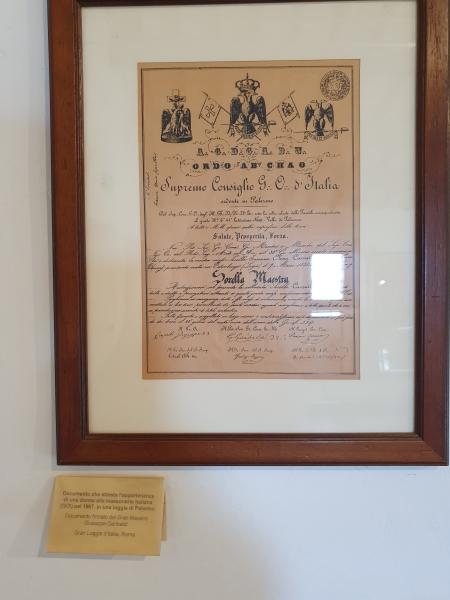
Perhaps the most intriguing part of the fortress is its association with Count Cagliostro—born Giuseppe Balsamo in Palermo in 1743. An alchemist, adventurer, and charlatan, he reinvented himself as Count Alessandro Cagliostro and traveled widely, even becoming a guest at the court of Catherine the Great in Russia. He joined the Freemasons in London, invented an “Egyptian Rite,” and was rumored to be involved in the Affair of the Diamond Necklace that shook the French monarchy.
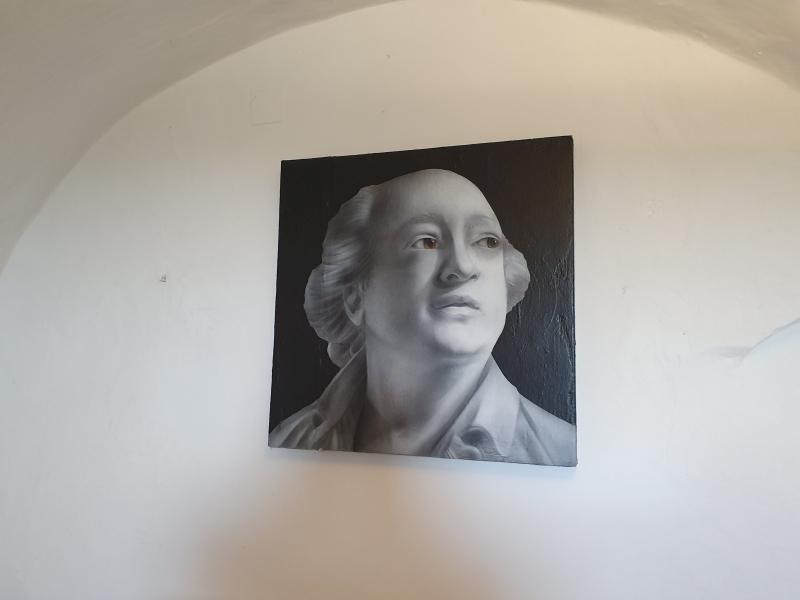
In 1789, he was arrested in Rome by the papal police. Condemned to death after a sensational trial, his sentence was later commuted to life imprisonment. He was sent to San Leo, where he died in 1795 after two strokes.
His cell was essentially a high-security chamber with no doors or windows—only a hole in the ceiling through which food was lowered. Authorities feared he might otherwise escape or hypnotize his guards into helping him.
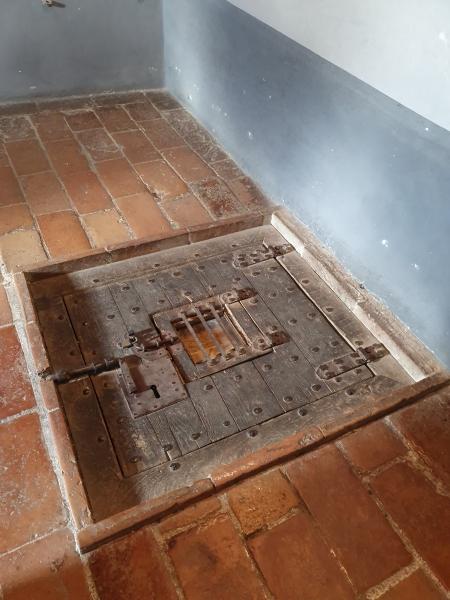
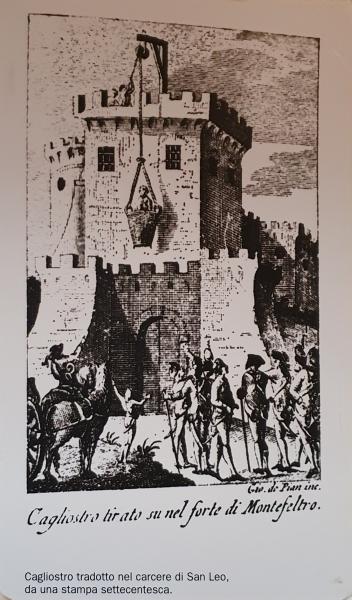
Today, parts of the Rocca are dedicated to his story and his supposed alchemical experiments.
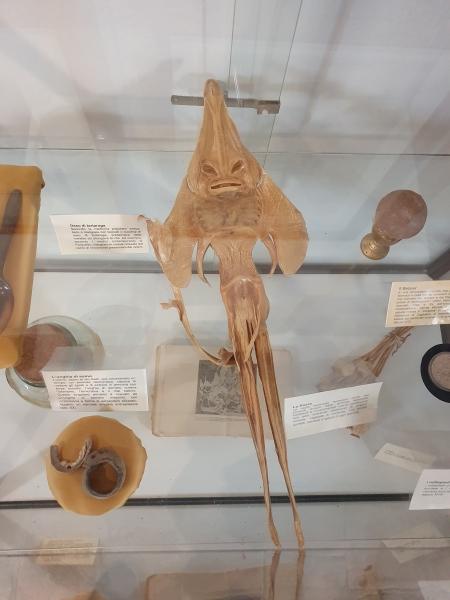
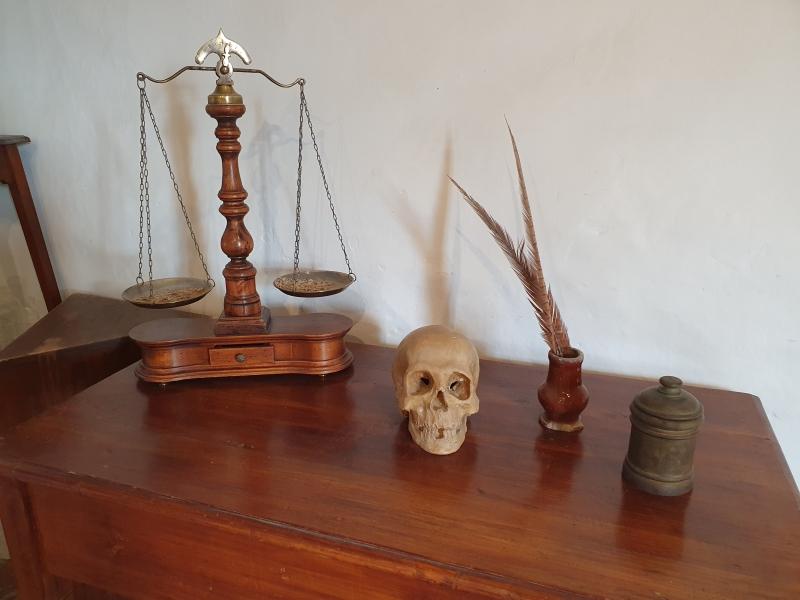
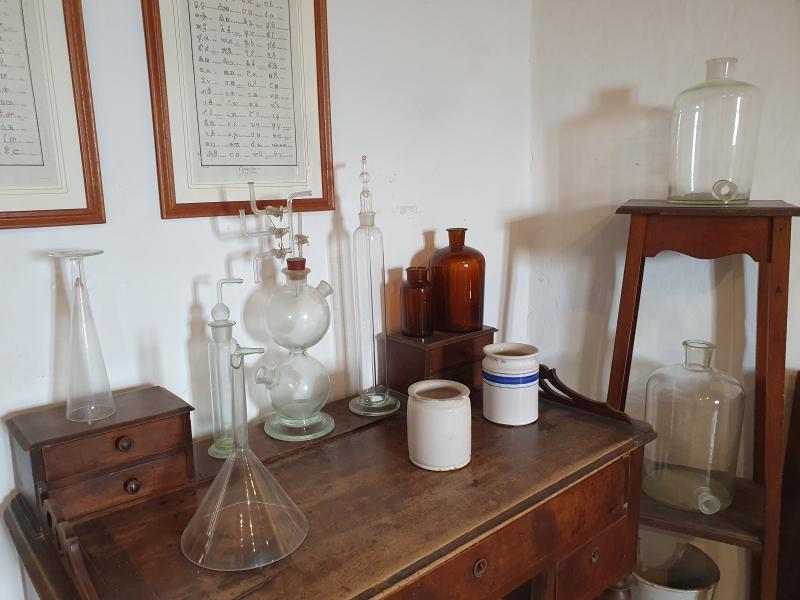
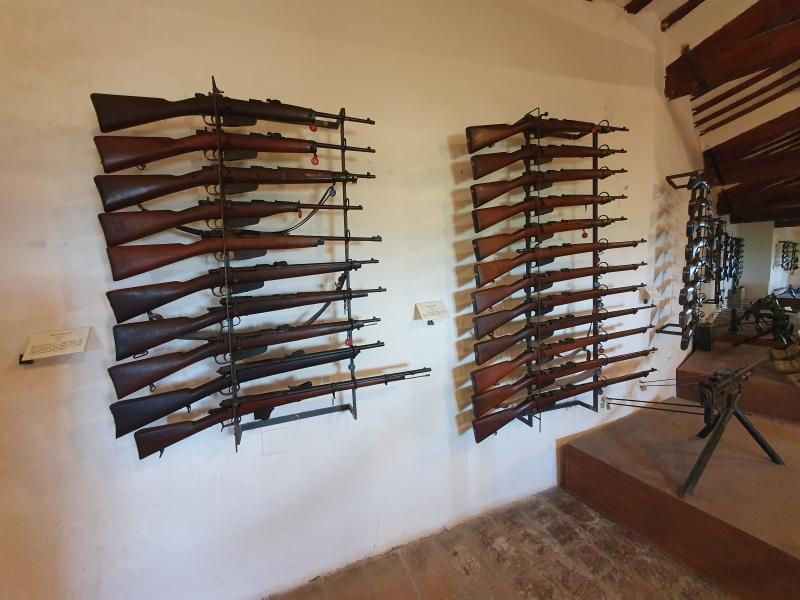
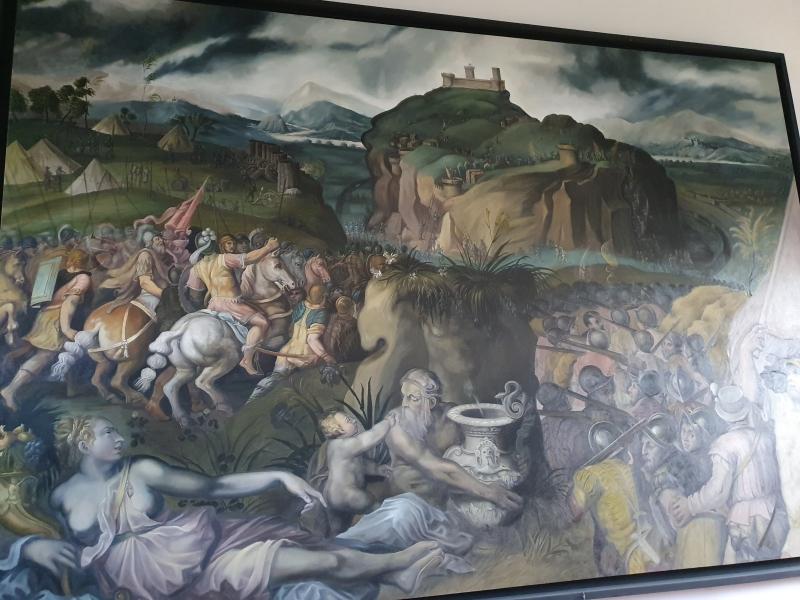
By contrast, we personally found the weapons collection and the exhibition about San Leo’s military importance, its sieges and defenses less interesting, so we only had a quick look
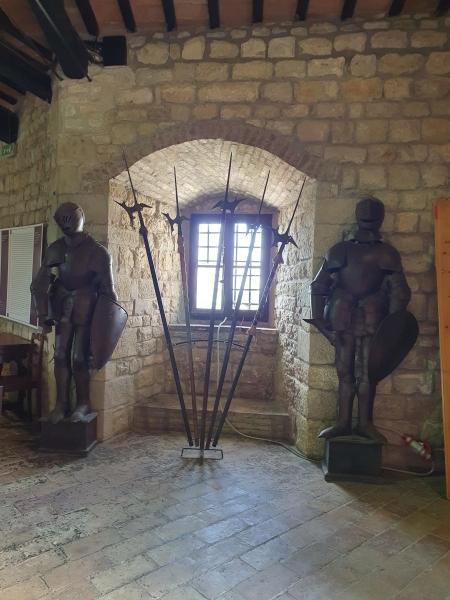
Looking back, it’s astonishing how much there is to see in such a small town: two extraordinary churches, a mighty fortress, and plenty of history and legends. If you’re in northern Le Marche, San Leo makes a truly unforgettable day trip.
Practical Information
More details about visiting San Leo—including opening times and ticket info—can be found on the official tourism website (unfortunately only in Italian).
0 Comments