In the Christian world, everyone knows the Madonna of Lourdes. But few know the Marian sanctuary in Montefortino dedicated to the Madonna dell’Ambro. Yet, until Lourdes began attracting masses of pilgrims in the 19th century, it had been one of the most important Marian pilgrimage sites for centuries.
After our walk in the forest of the Mazzamurelli, Elke, Isabelle, and I decided to make a stop at this sanctuary.
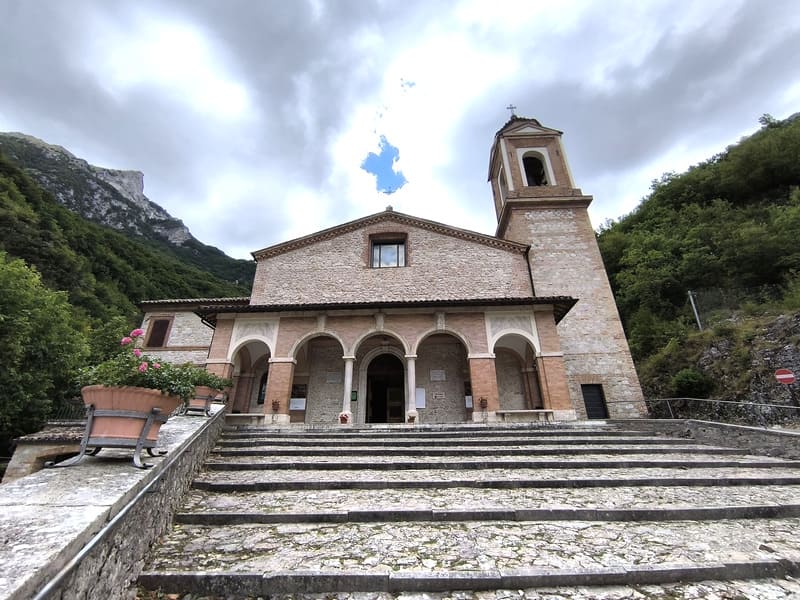
Why is it called the “Little Lourdes”?
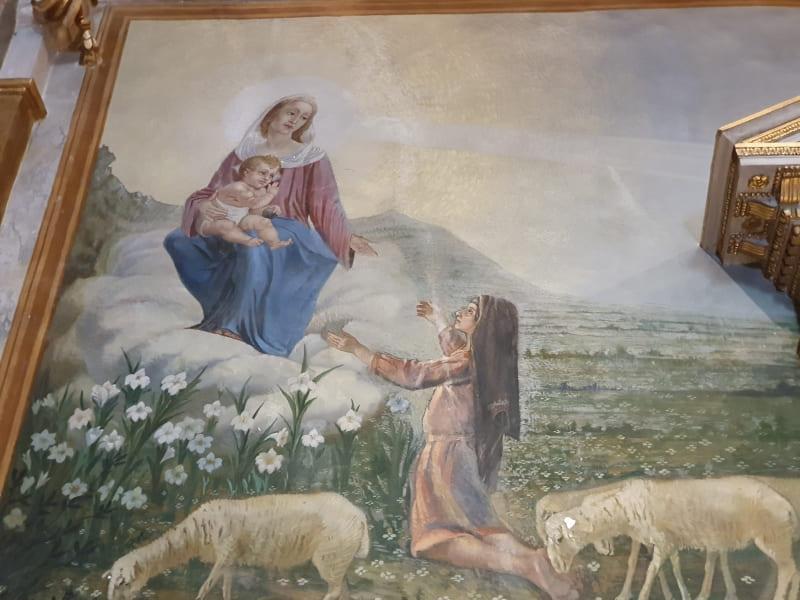
- Both sanctuaries originated after apparitions of the Virgin Mary to poor young shepherdesses: Bernadette in Lourdes and Santina in Montefortino.
- In Montefortino, it is said that after the apparition, the mute girl suddenly gained the ability to speak.
- Both are also located in valleys near mountains: Lourdes in the Pyrenees, Montefortino in the Sibillini Mountains.
- And in both places, a river flows nearby: the Gave in France, and the Ambro here in Le Marche.
The origins of the sanctuary
It was May in the year 1000 when the young shepherdess Santina, who brought fresh flowers every day to an image of the Virgin Mary, suddenly saw a beautiful lady appear. The girl, born mute, was said to have spoken from that moment on.
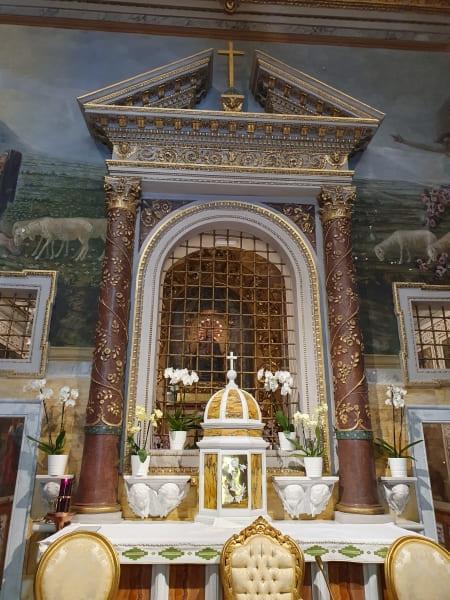
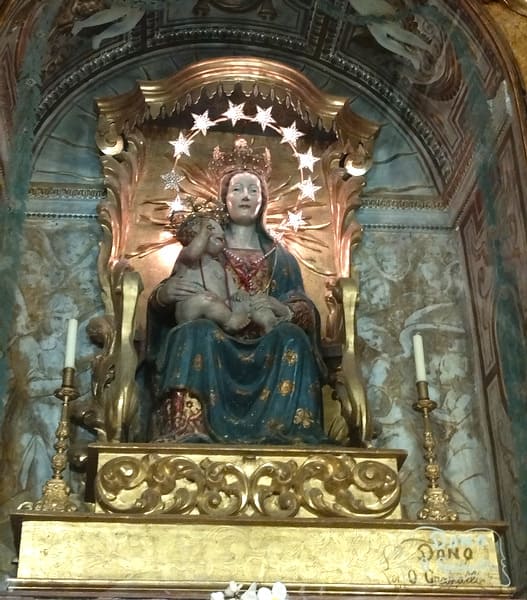
By 1073, a small chapel already stood on the site of the apparition and the image of Mary, attracting many faithful. In 1572 the image was replaced by a statue of the Virgin Mary enthroned with the Child Jesus. This statue can still be seen today behind the altar of the church.

As the number of pilgrims continued to grow, it was decided in the mid-17th century to build a larger church, the one we still see today.
Visiting the church
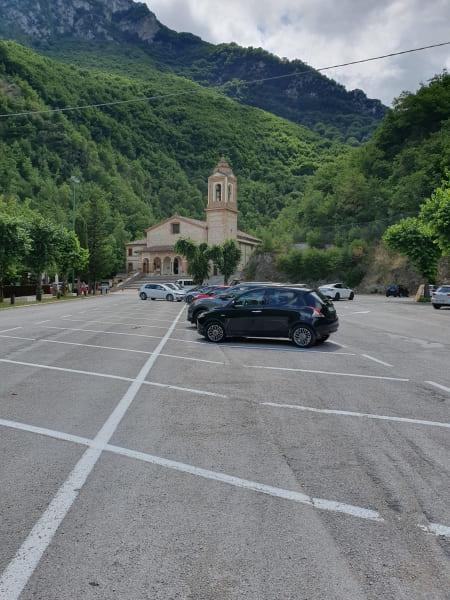
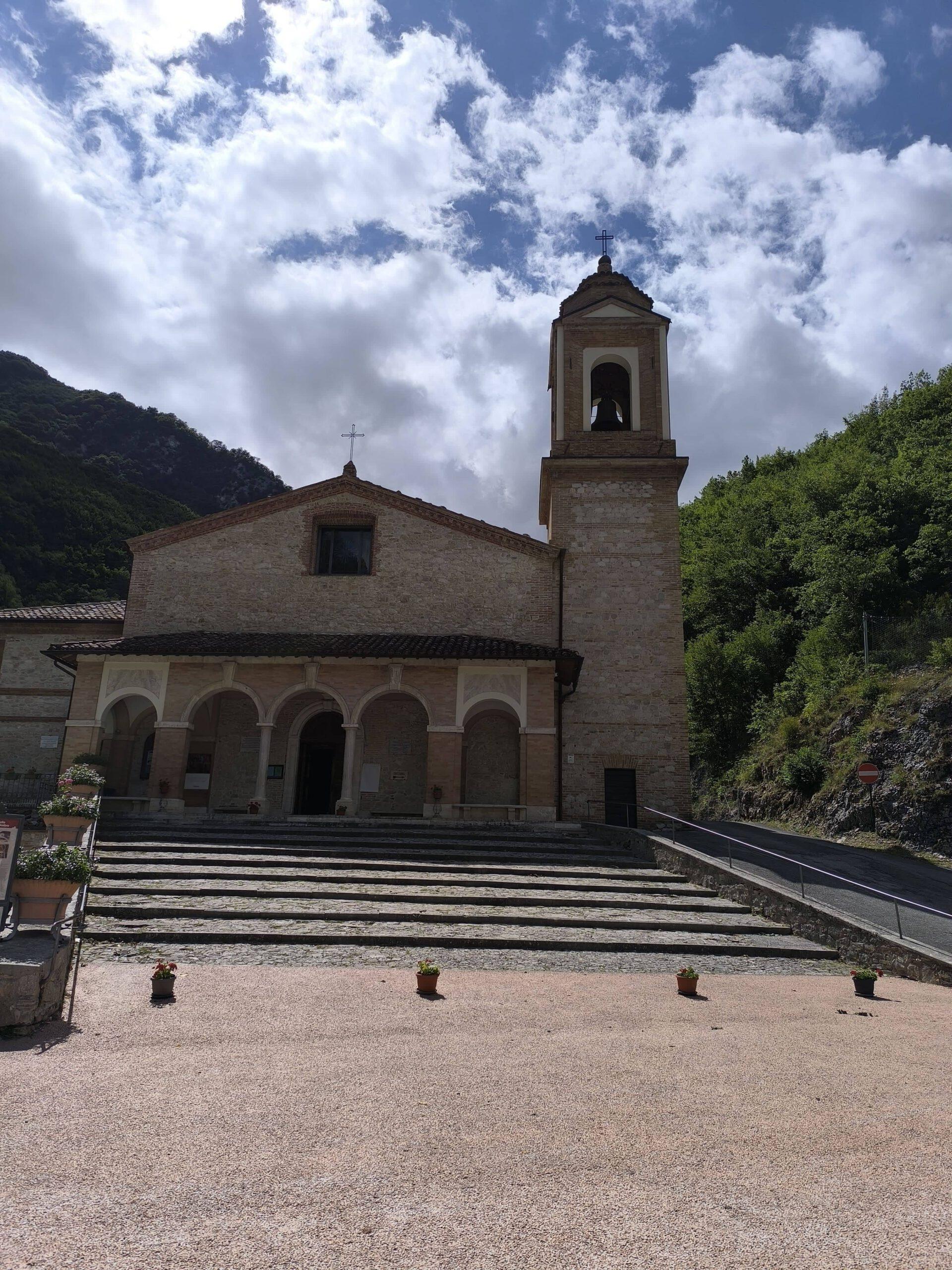
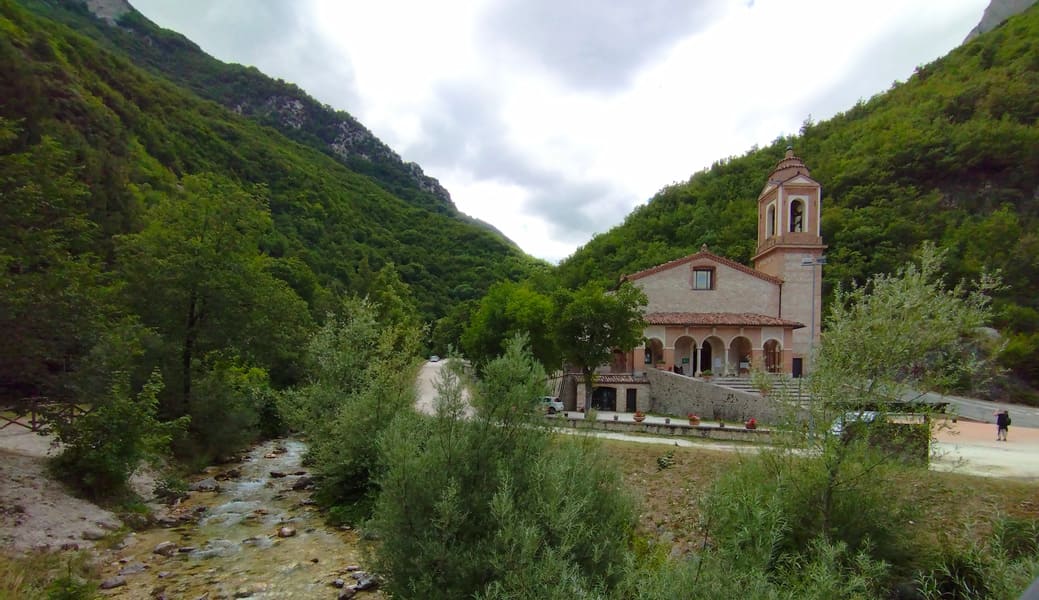
Arriving at the site, the church immediately makes an impressive impact: nestled in the woods and reached by a flight of steps. Parking was easy when we visited, but we wondered if the lot would be sufficient on major feast days dedicated to Mary. Fortunately, there were only a few souvenir stalls or food stands around.
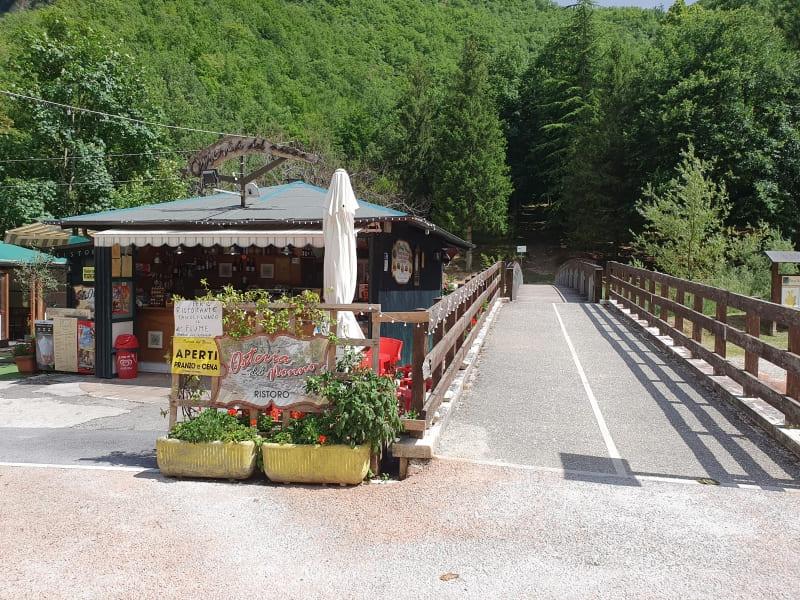
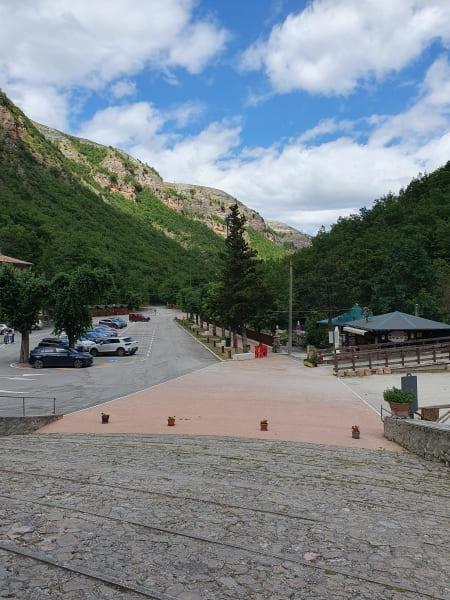
We climbed the steps and entered the beautiful interior. In the distance, the altar with the statue of the Madonna came into view.
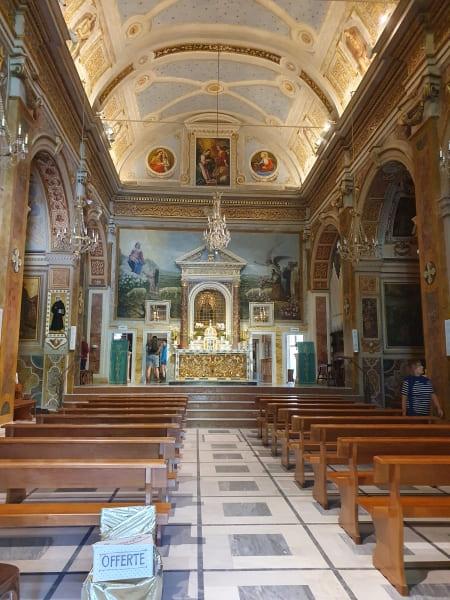
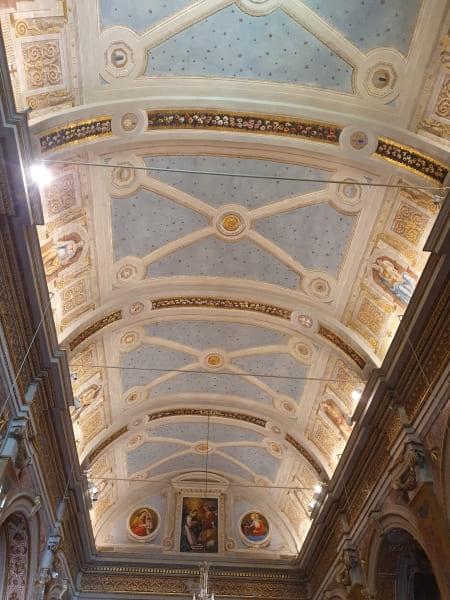
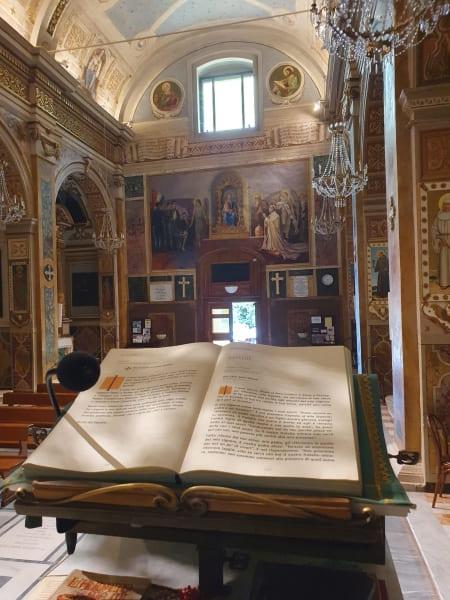
Inside the church
Each side chapel contains various paintings or frescoes.
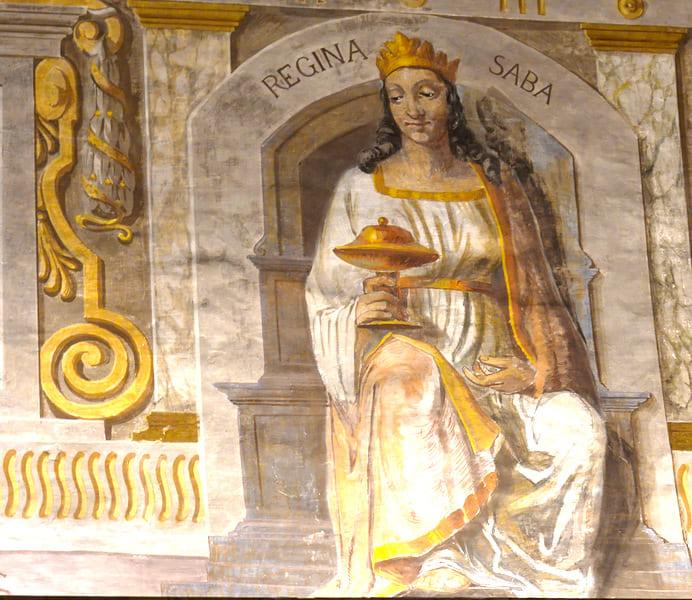
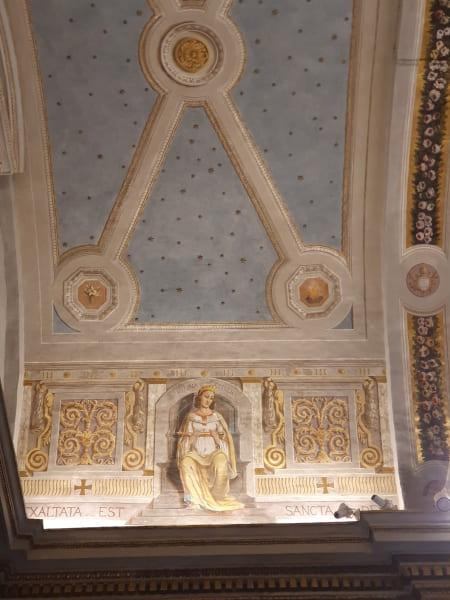
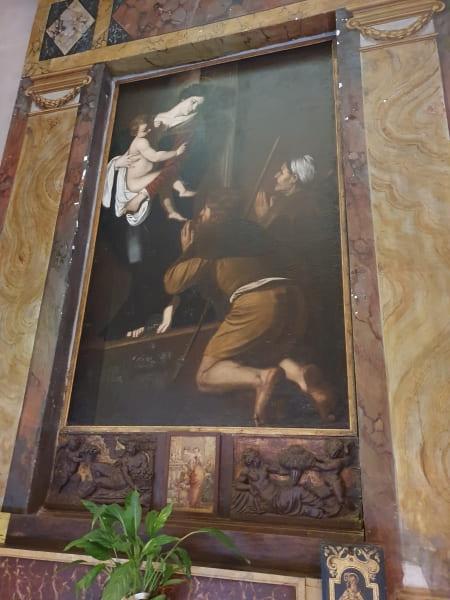
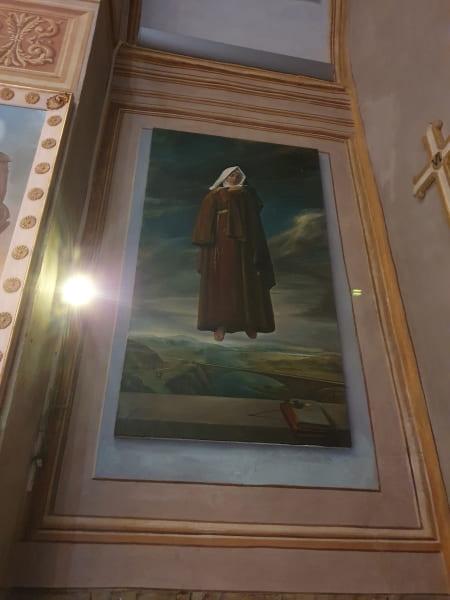
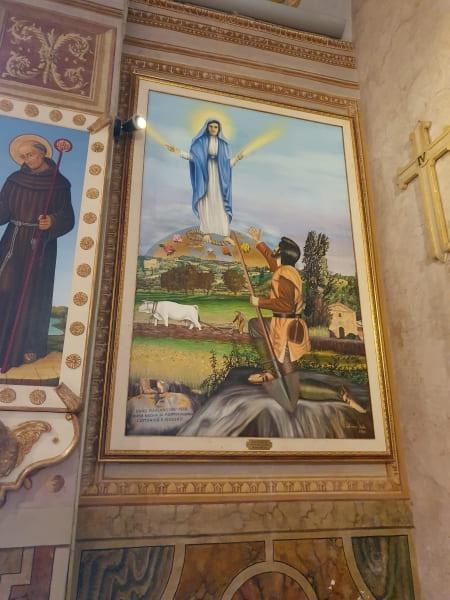
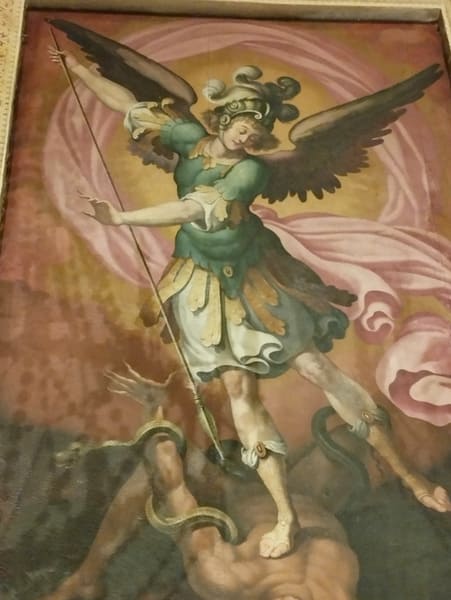
Behind the altar, you can see the original chapel, the Chapel of the Apparition, with another statue of the enthroned Madonna and Child. Surrounding it are frescoes depicting scenes from the life of Mary, painted by Martino Bonfini between 1610 and 1611. Along the walls are also images of the Sibyls, linked to the Sibillini Mountains and the legends surrounding the Sibilla.
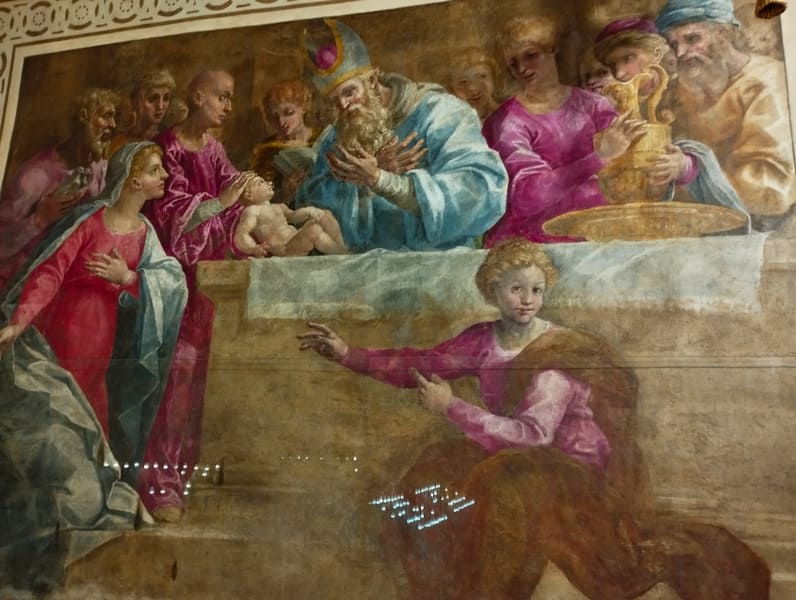
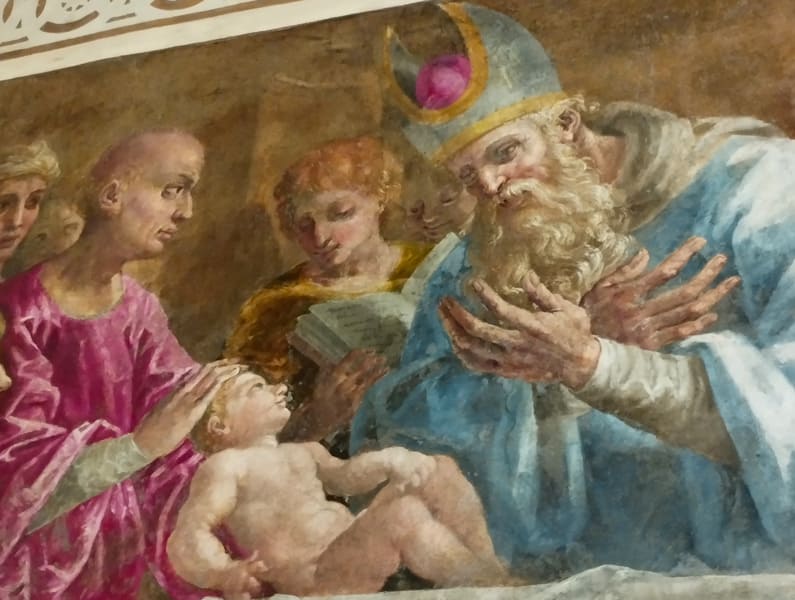

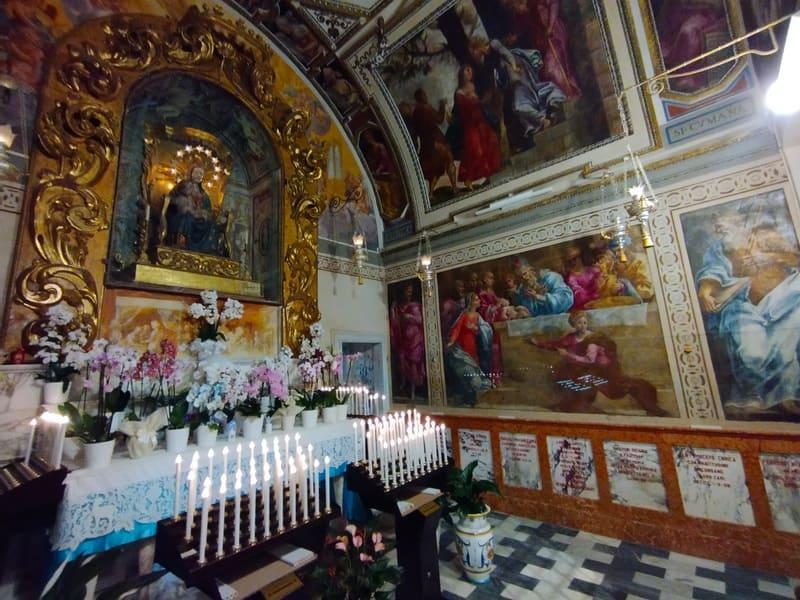
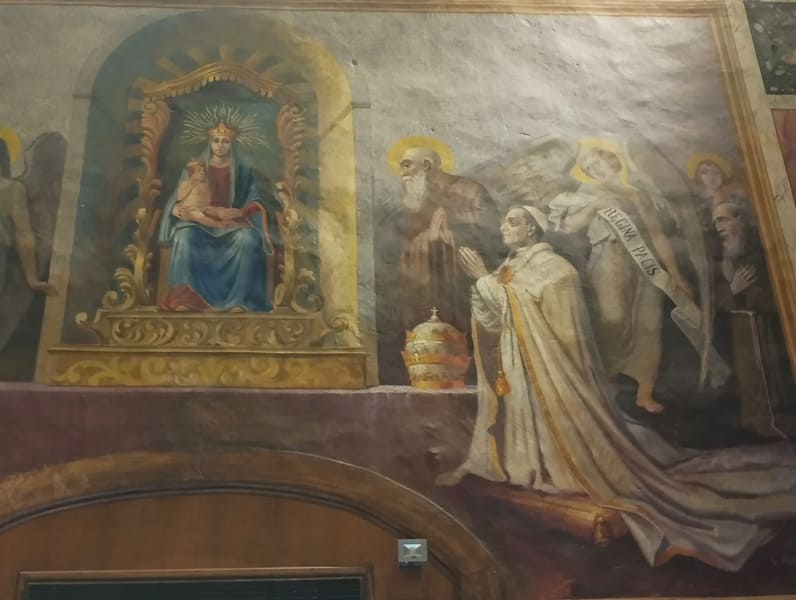
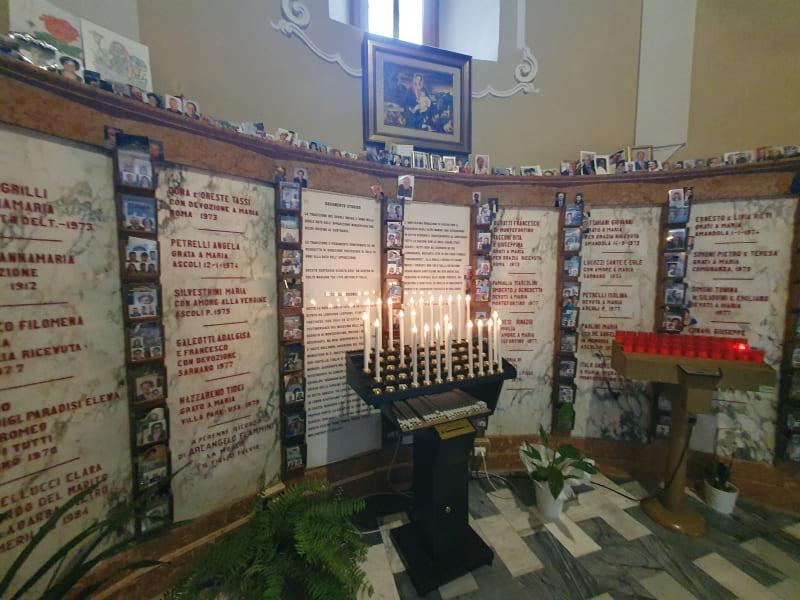
Even more striking are the countless photos, ex-votos, and names of those who claimed to have received favors after praying to the Madonna dell’Ambro.
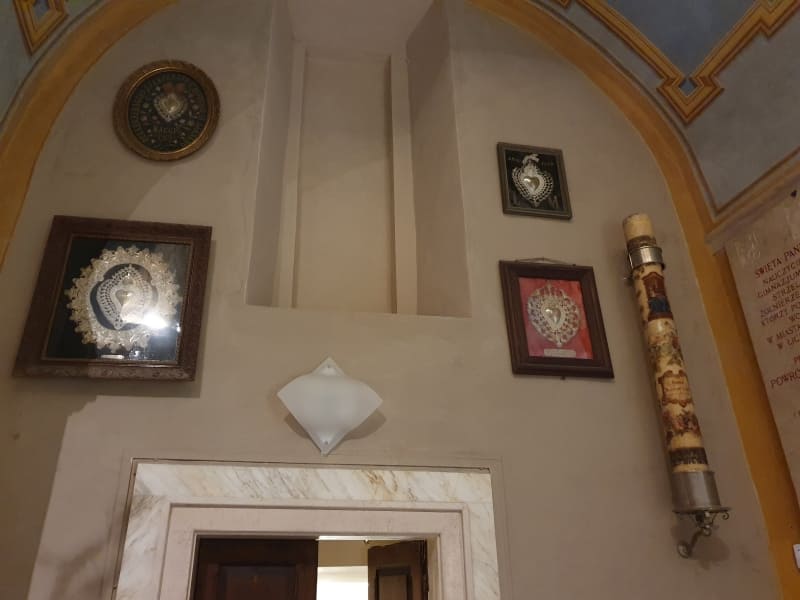
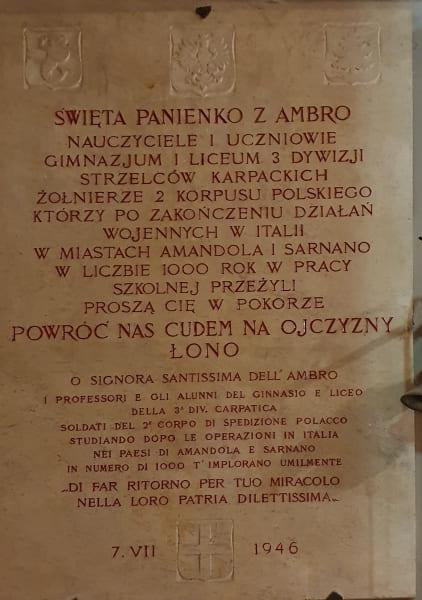
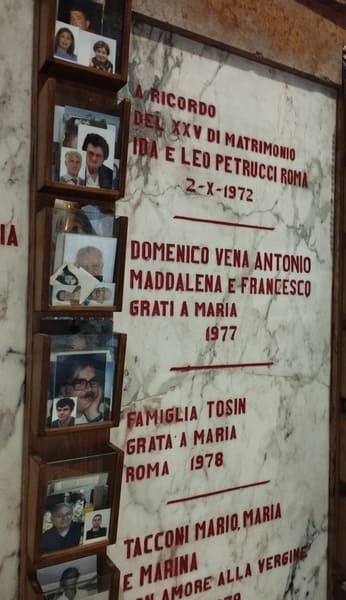
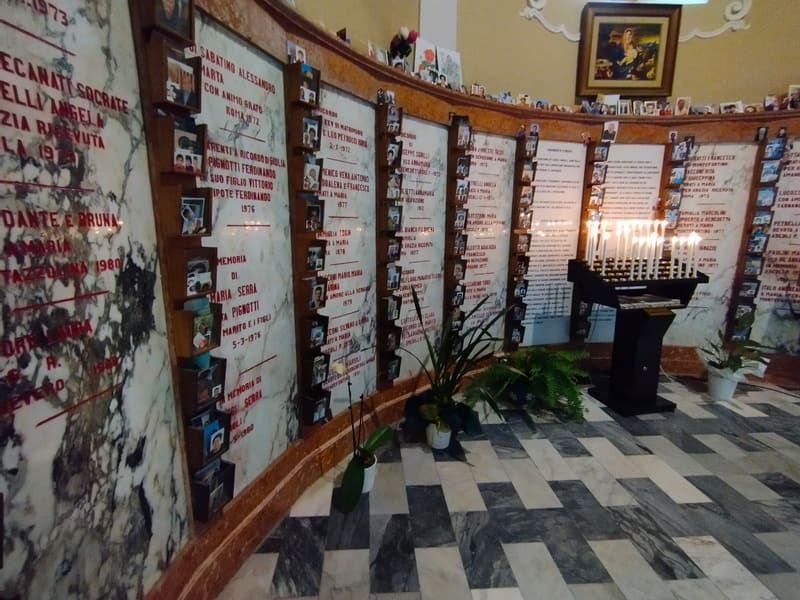
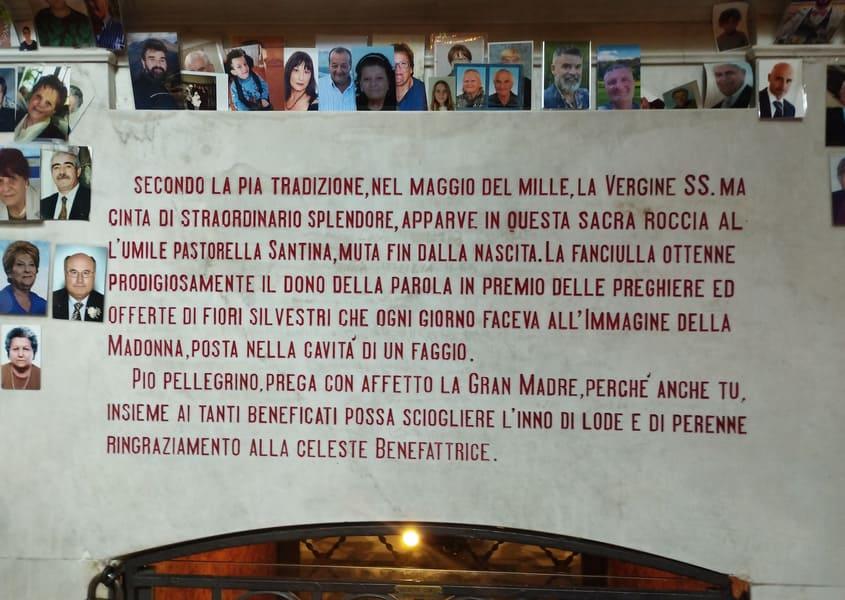
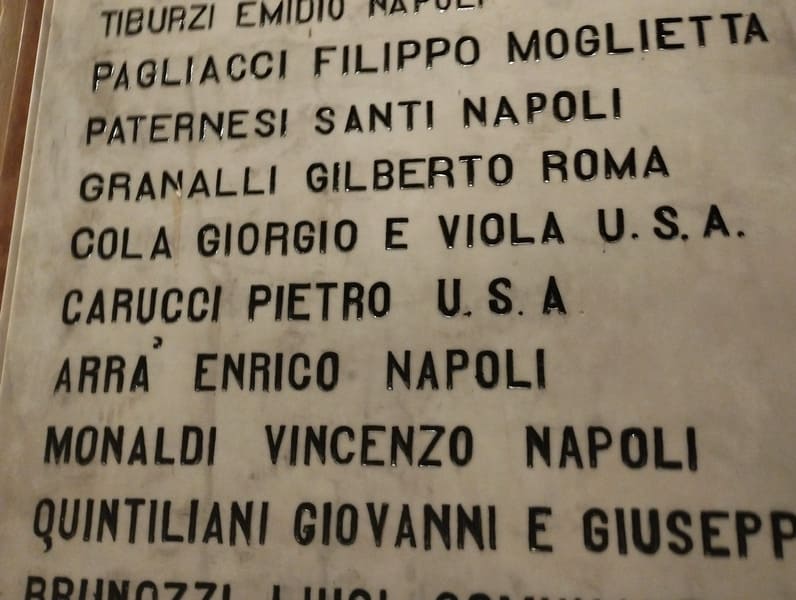
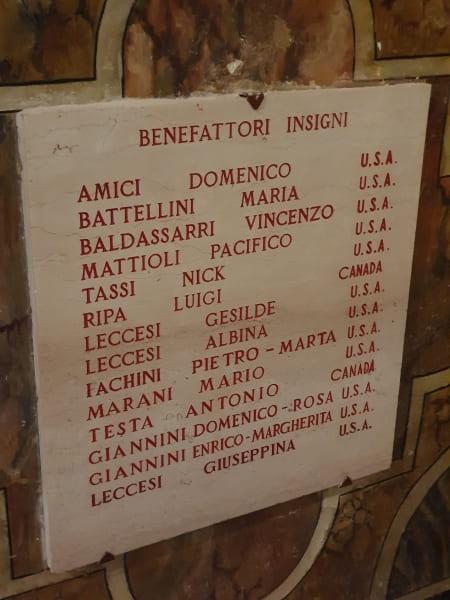
The benefactors who supported the sanctuary over the centuries, coming from all over the world, are also remembered here.
The Ambro River
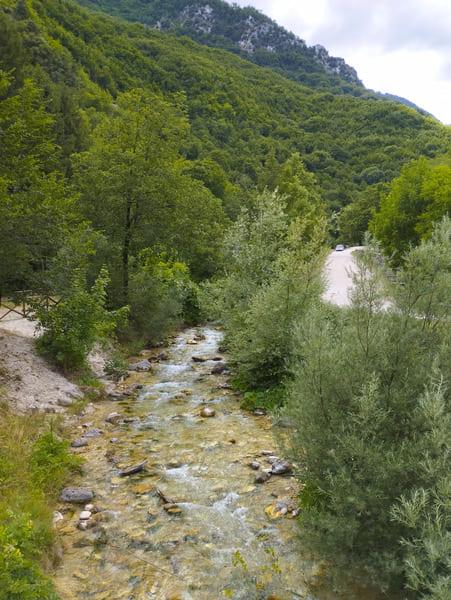
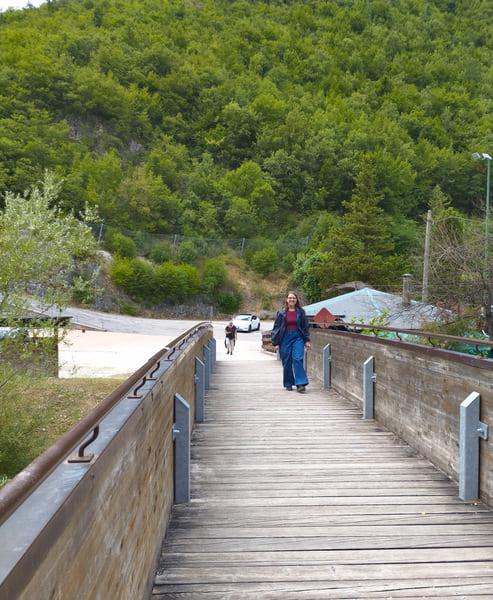
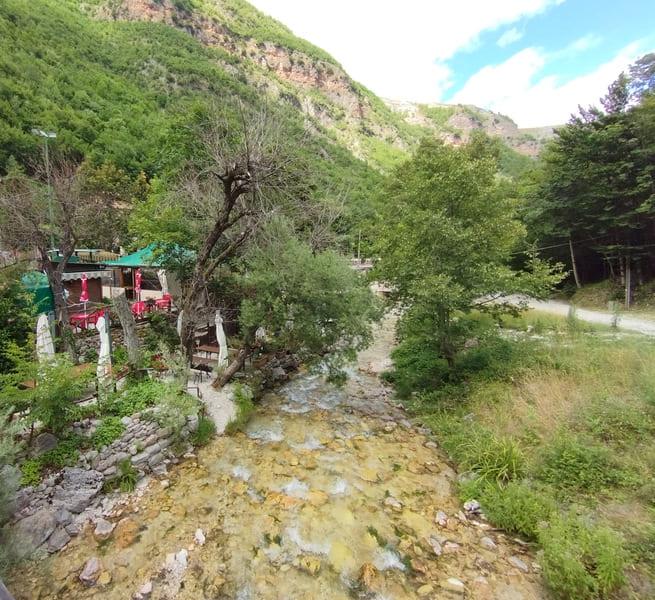
After our visit to the church, we took a short walk along the Ambro River, a perfect spot for a picnic on a sunny day! Indeed, one of my fondest childhood memories is the Sunday picnic next to this river. My family used to look for cool and quiet places during the summer, to have a walk and a picnic together, and Madonna dell’Ambro was one of the perfect spots! Although August could be quite busy!
The monastery of dell’Ambro
Since 1890, the sanctuary has been under the care of the Capuchin friars. Between 1935 and 1938, they built the bell tower, and the loggia dates from the 20th century as well. Today, the friars continue to celebrate daily Masses.
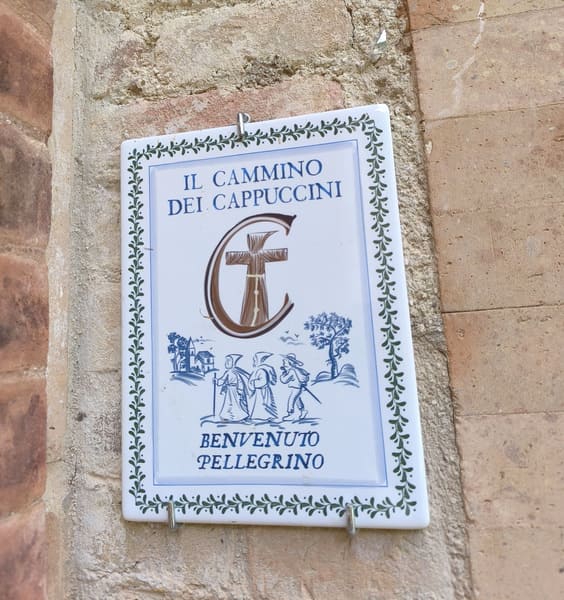
They’ve also moved with the times: you can find their website and Facebook page online. Naturally, the Marchigian walking route Il Cammino dei Cappuccini passes right by here as well!

0 Comments