On their way back from the Adriatic seaside town of Cesenatico, Elke and Otto made a stop in the small, charming town of Borgo Sant’Angelo in Vado. This quaint little town, home to just under 4,000 residents, is located in the province of Pesaro-Urbino, in the northwestern part of our beautiful Le Marche region.
A Brief History of Sant’Angelo in Vado
Around 100 BC, there was a Roman settlement here called Tiphernum Mataurense, named after Tipher, a reed-like plant that grows in damp, marshy areas. Mataurense referred to the Metauro River, which runs through Sant’Angelo in Vado. In the 6th century AD, the settlement was completely destroyed during the Gothic Wars. From the 7th century onward, the Lombards rebuilt the town on the ruins, dedicating it to the archangel Michael (Sant’Angelo = “Saint Angel”). During the 13th and 14th centuries, the town flourished and even became a bishopric for a time.
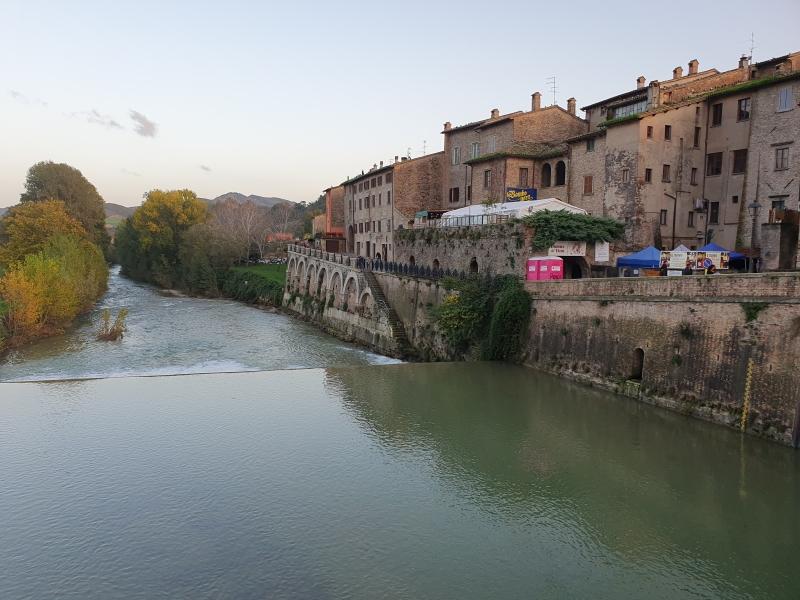
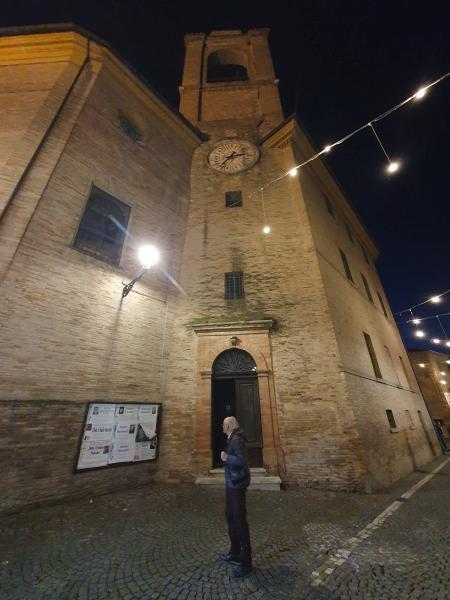

Sant’Angelo in Vado is especially famous for its prized white truffles, and every October and early November, it hosts a truffle exhibition over several weekends. This sounded promising!
Domus del Mito – the Significant Roman Mosaic Excavation
Elke tells us a bit more about this quaint village.
“But before we indulged in the truffle delights, we wanted to visit the Roman mosaics at Casa del Mito (House of Myth) while there was still daylight. The significant archaeological findings were only systematically excavated in the late 1990s and uncovered a large, well-preserved patrician house covering approximately 1,000 square metres. These excavations have only been open to the public for less than 15 years.
However, our hunger got the better of us, and we completely lost track of time. A stand from local winemakers had set up at the excavation site, and we were warmly invited for a free wine tasting paired with delicious truffle bruschetta. Who could possibly say no to that?
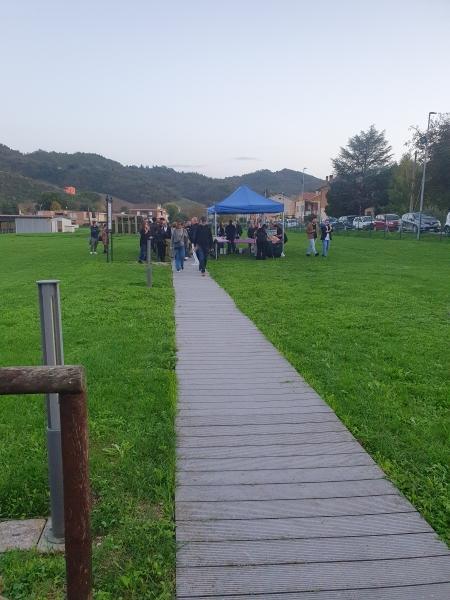
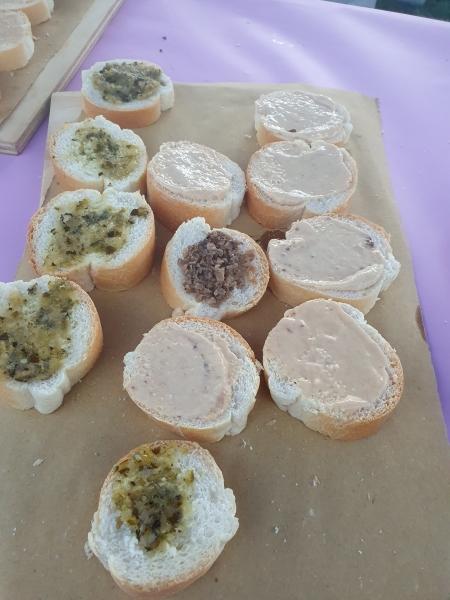
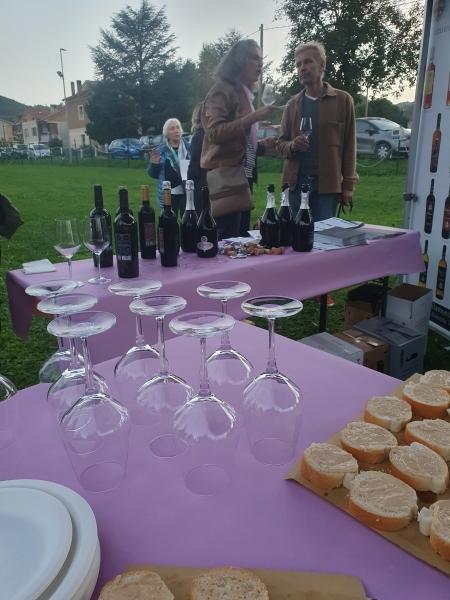
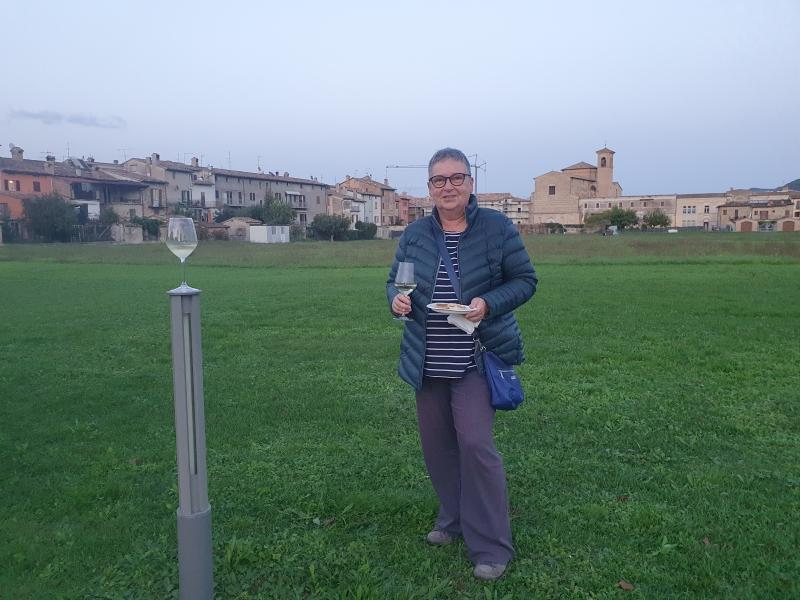
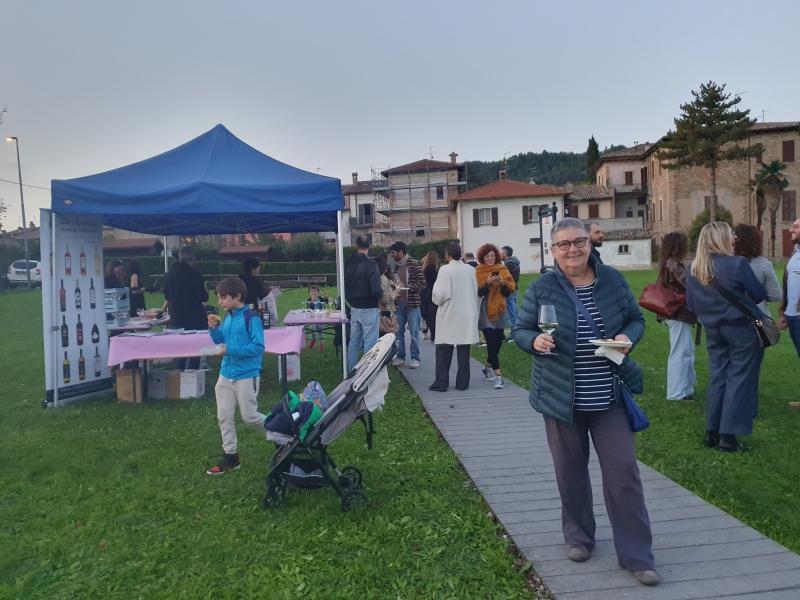
Afterward, we hurried over to the excavation site, which was specially open during the truffle festival. By now, twilight had set in, but we could still just make out the beautifully preserved, large-scale, and partly multicolored mosaics from the former Roman villa.
The archaeologists called it Domus del Mito, or the “House of Myths,” because many of the mosaics depicted mythical themes.
The Legend of Mennenio, Nicia and the Domus del Mito
A beautiful legend surrounds this villa: the son of the young patrician Mennenio, a man with Mediterranean origins, fell in love with Nicia, a woman of Celtic origin with blue eyes and blonde hair. We all know (at least from Asterix) that Romans and Celts were fierce enemies. Mennenio’s father disowned his son and exiled him to a small piece of barren land. But the pure love between the two moved the gods, and overnight, they built the breathtaking and richly decorated Domus del Mito for the couple, gifting it to them.
The mosaics
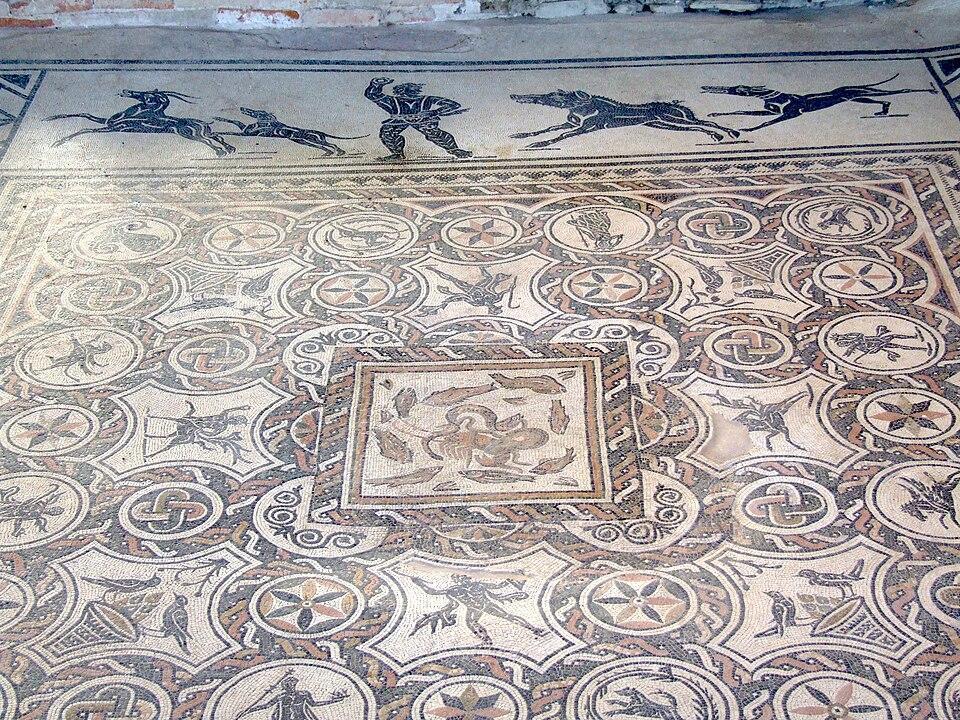
One of the mosaics depicted Neptune in a chariot drawn by seahorses and accompanied by dolphins. Other mosaics showed Dionysus with a wreath of vine leaves or Medusa with her snake-covered head. The owners of the house must have been wealthy and cultured individuals.
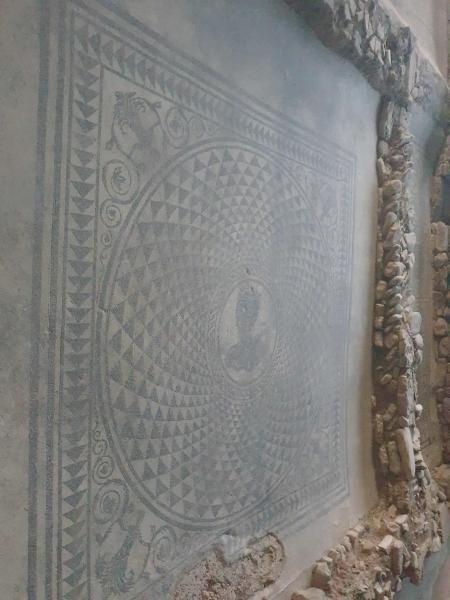
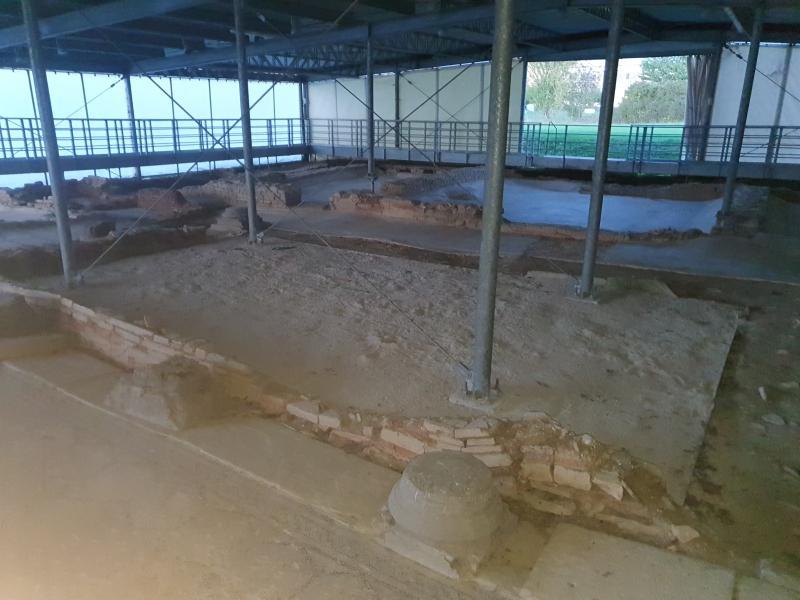
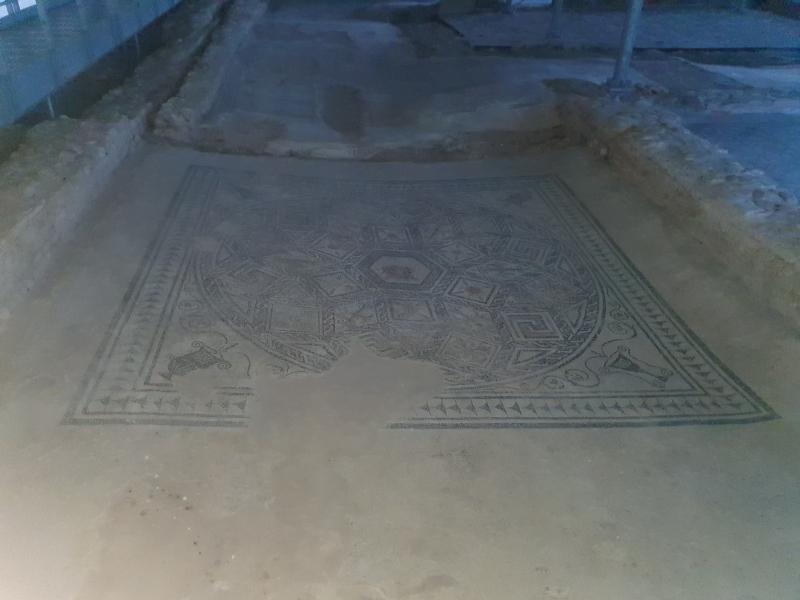
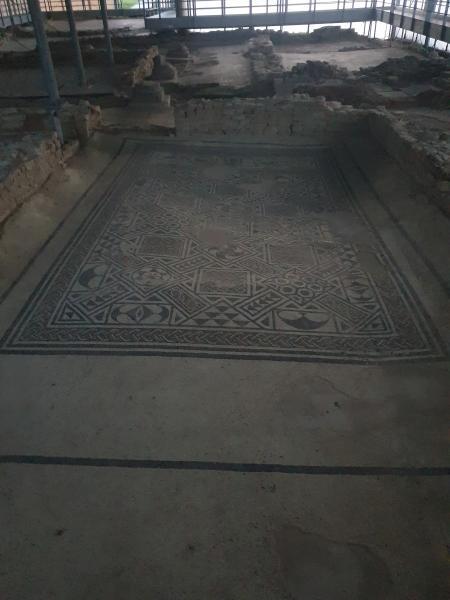
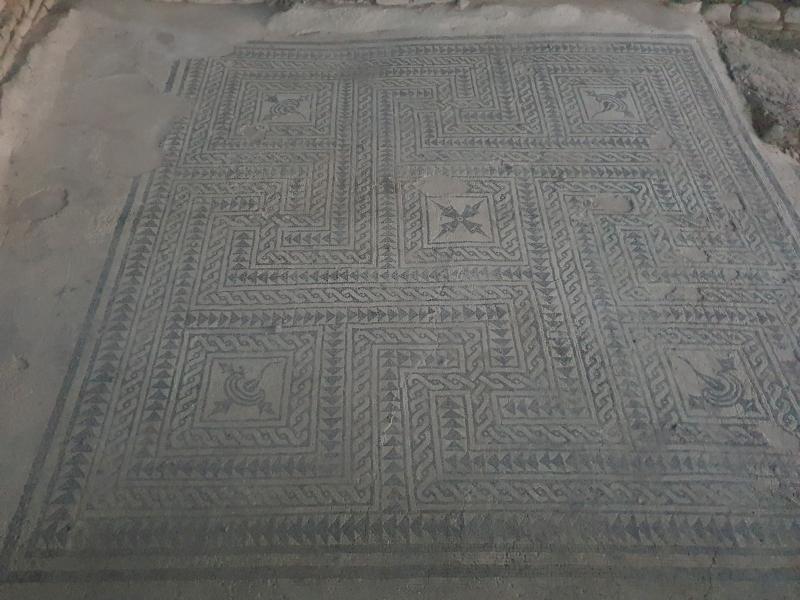
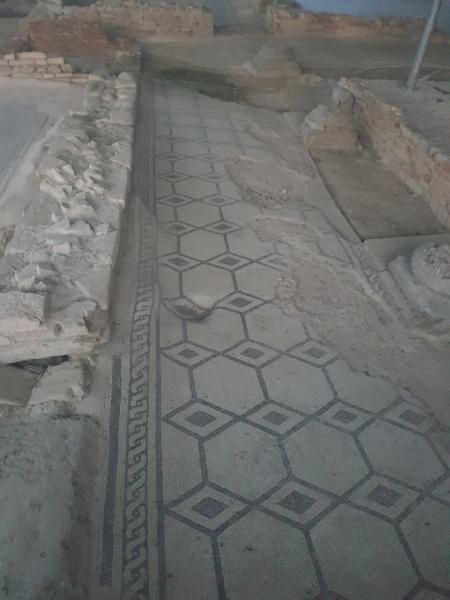
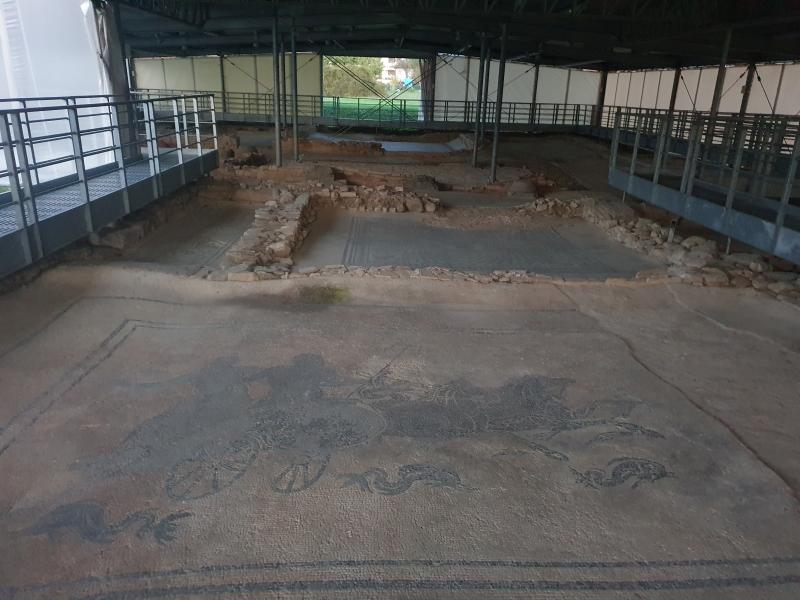
In the largest hall, we saw a geometric mosaic interspersed with figurative depictions: at the top, a hunting scene; in the middle, a battle between various sea creatures (octopus, lobster, moray eel); and at the bottom, a circle with a figure holding a truffle!
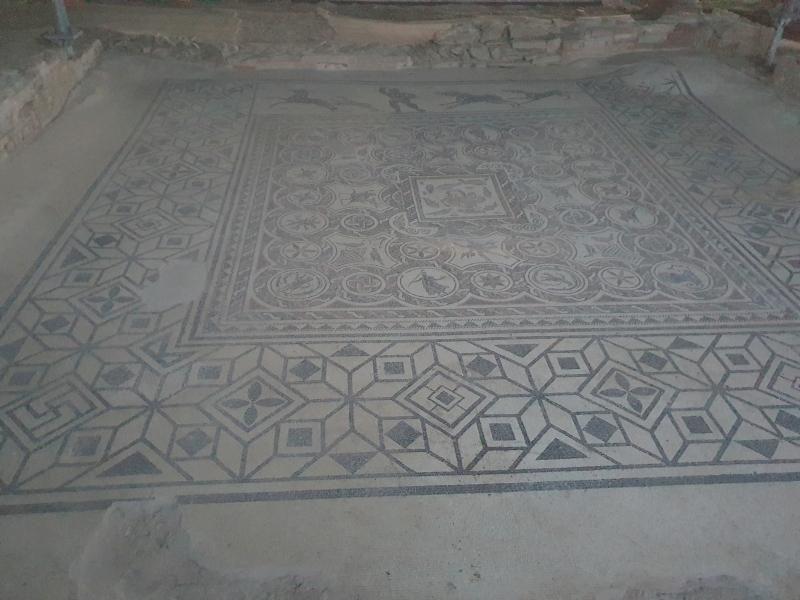
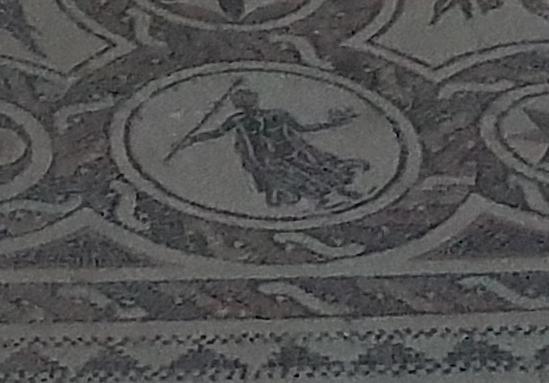
Clearly, it was a sign that we should head back to the town center to join the truffle festival!
The Truffle Festival in Sant’Angelo in Vado
Unfortunately, the truffle festival didn’t quite live up to expectations. While there were the usual stalls selling all sorts of goods, the larger stands of the truffle traders seemed to be either not open or already closed. I read that the festival originally served as a way for truffle hunters (Tartufai) to spend the first money they made from the year’s white truffle harvest, which takes place in the fall and winter. Over time, however, the festival evolved into a celebration of the white truffles themselves. Sadly, by the time we arrived on Sunday evening, we were too late to catch the main events.
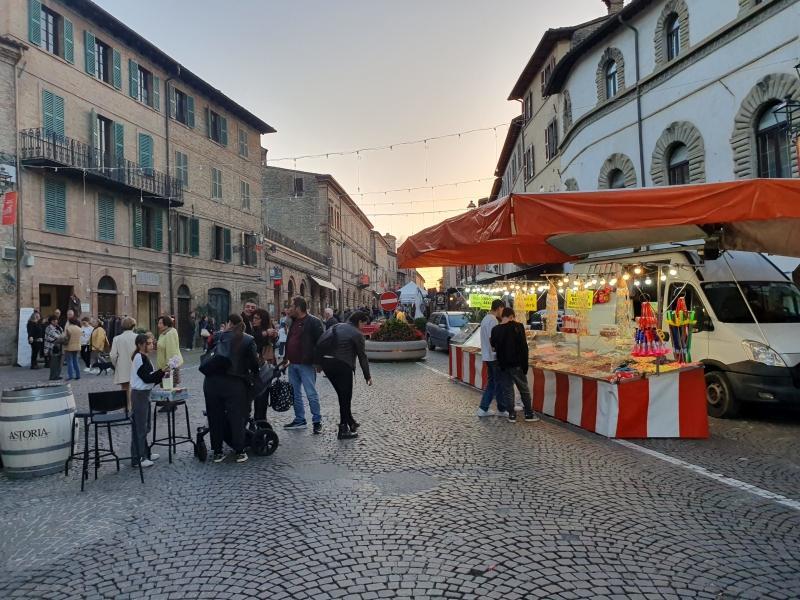

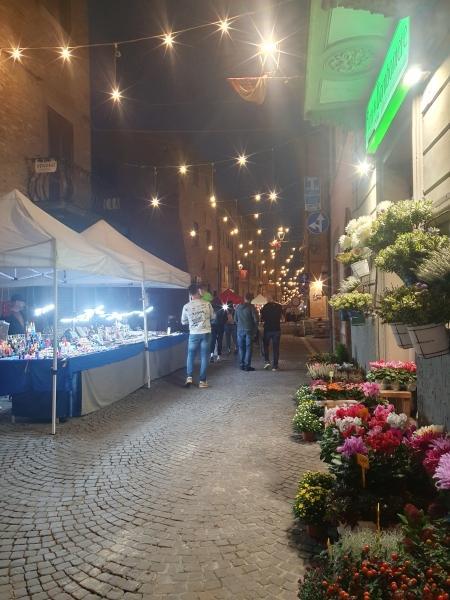
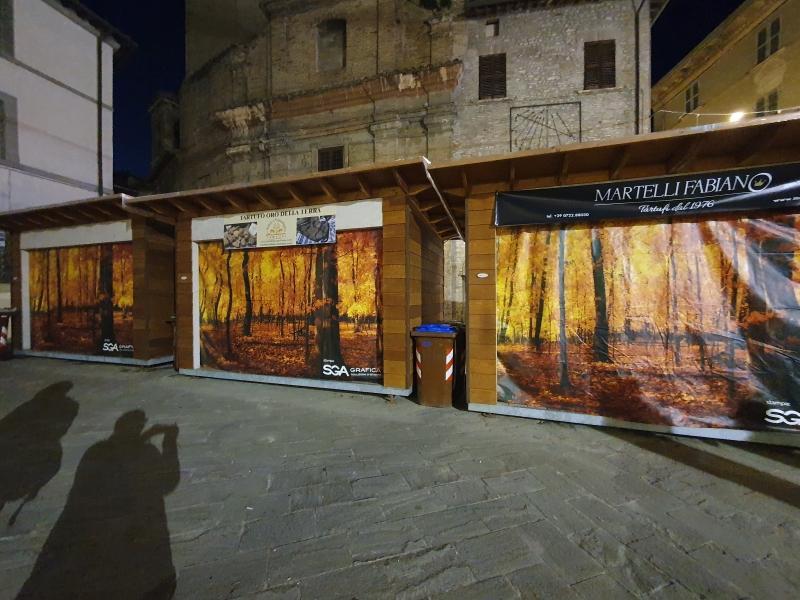
Of course, the town’s restaurants offered special truffle dishes during the festival: affordable meals with the more common black truffle as well as the sought-after white truffle.
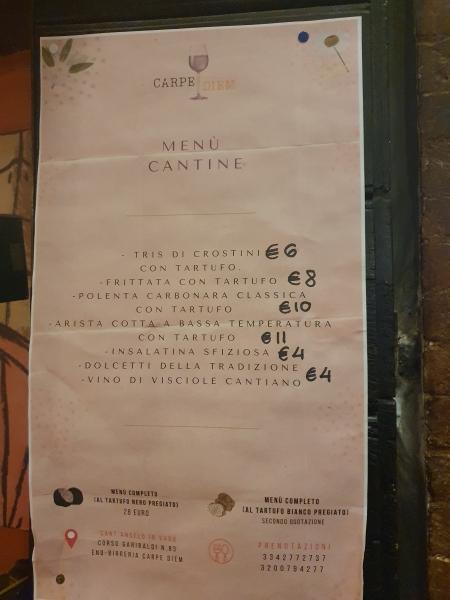
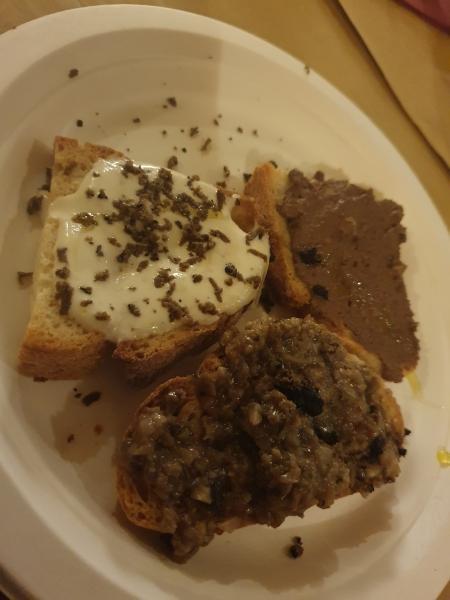
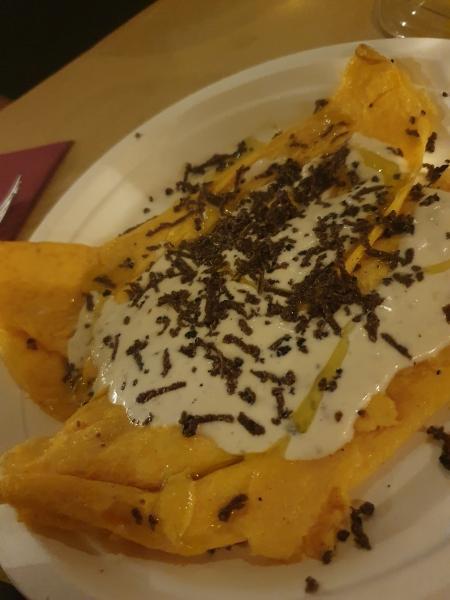
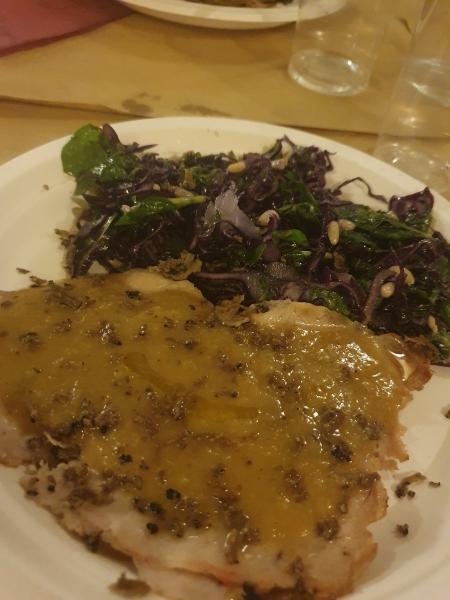
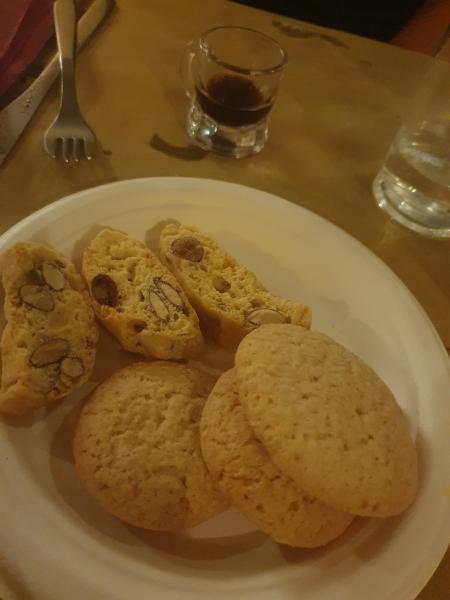
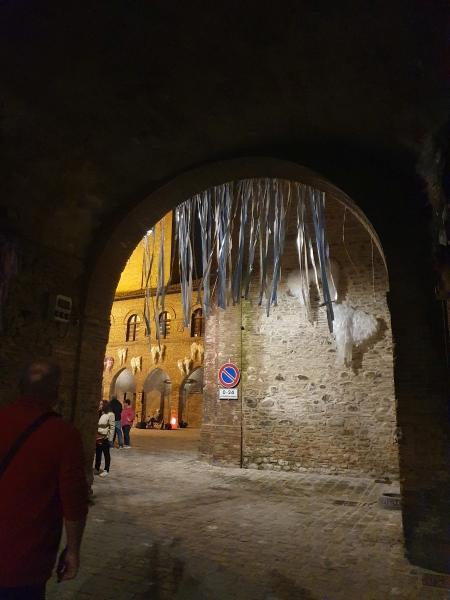
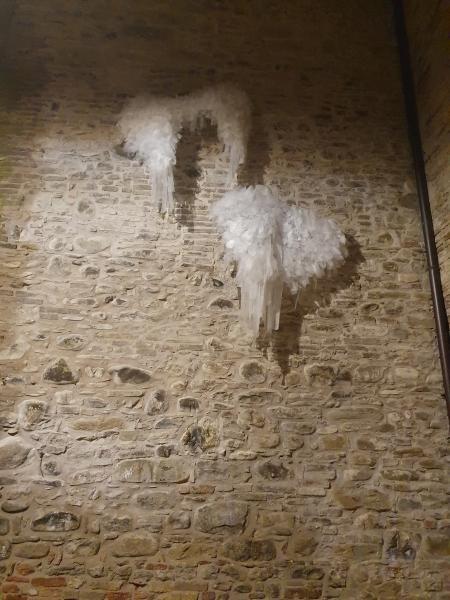
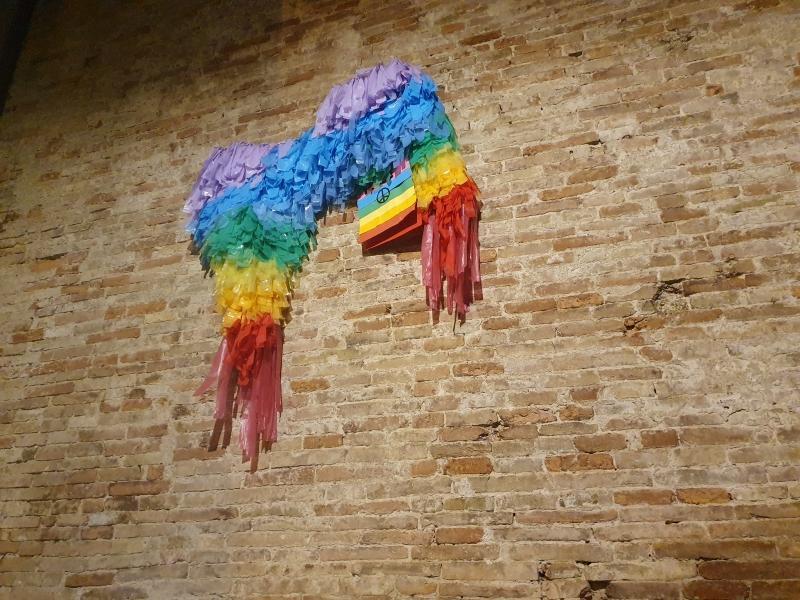
We thoroughly enjoyed our meal and then strolled through the narrow streets of the old town, which we found incredibly charming: arches, small squares, and hidden corners. The entire historic center is pedestrian-only. What was particularly striking was how, each time we turned into an alley, we were met with quiet and could feel the medieval atmosphere. Artworks even adorned some of the buildings.
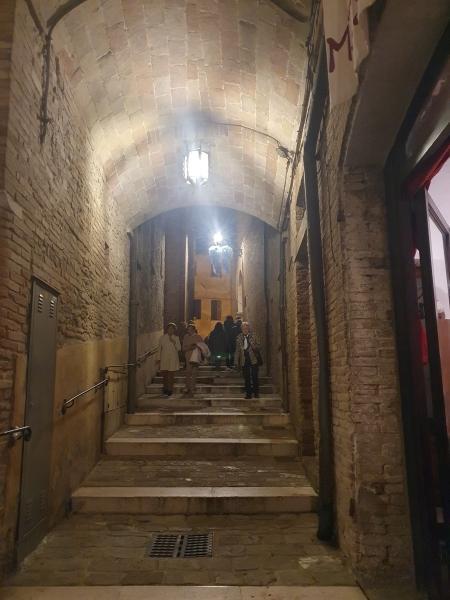
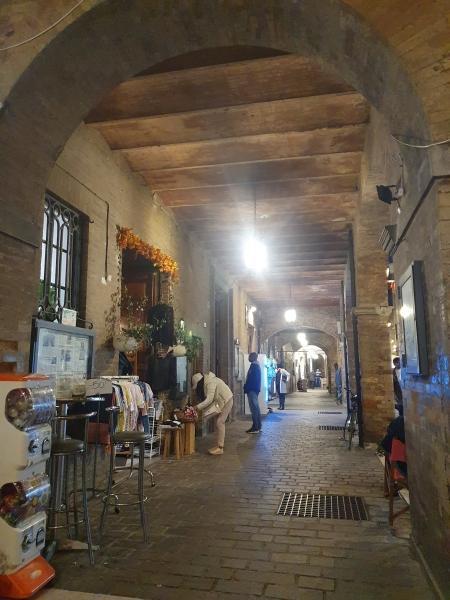
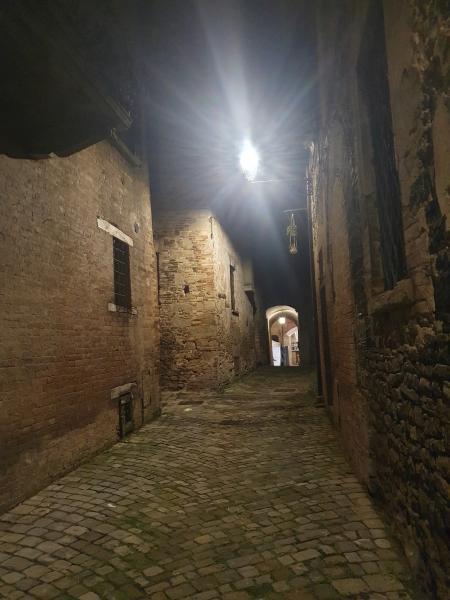
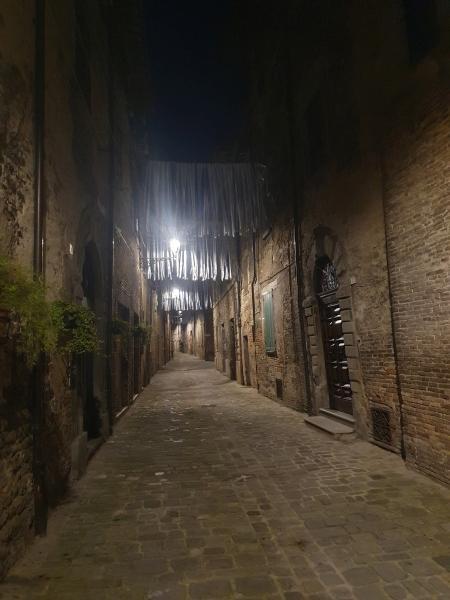
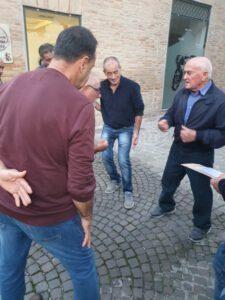
Back on Corso Garibaldi, we heard a lot of chatter and shouting outside a café. Upon closer inspection, it turned out to be a group of men playing La Morra—check out our earlier article about this ancient game.
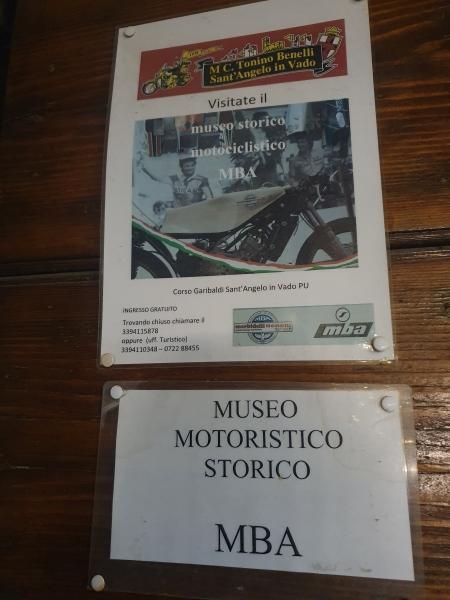
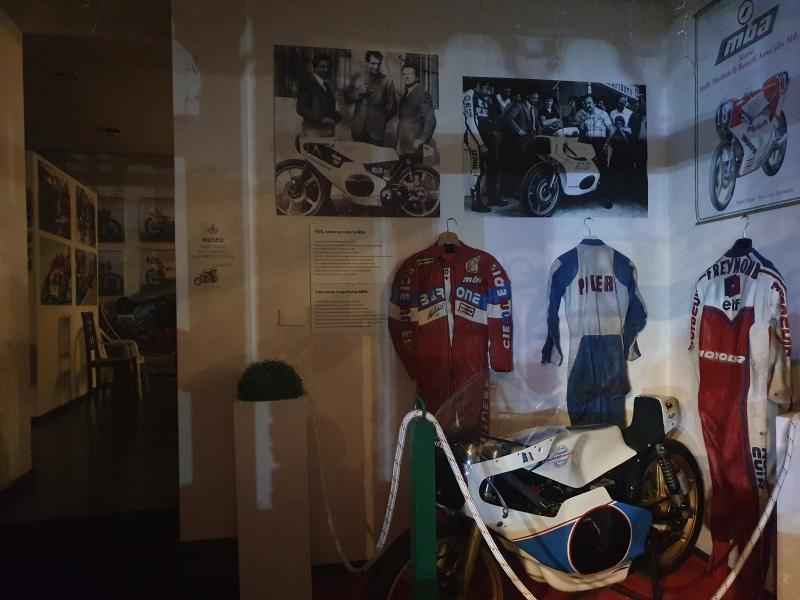
On our way back to the car, we passed a museum dedicated to old motorcycles, but of course, it was closed by the time we got there. This museum belonged to the Marche-based Benelli motorcycle company, known for producing mopeds, scooters, and motorcycles. Since 2005, however, the company has been owned by a Chinese conglomerate.
Useful Information about the Sant’Angelo Truffle Festival in Vado:
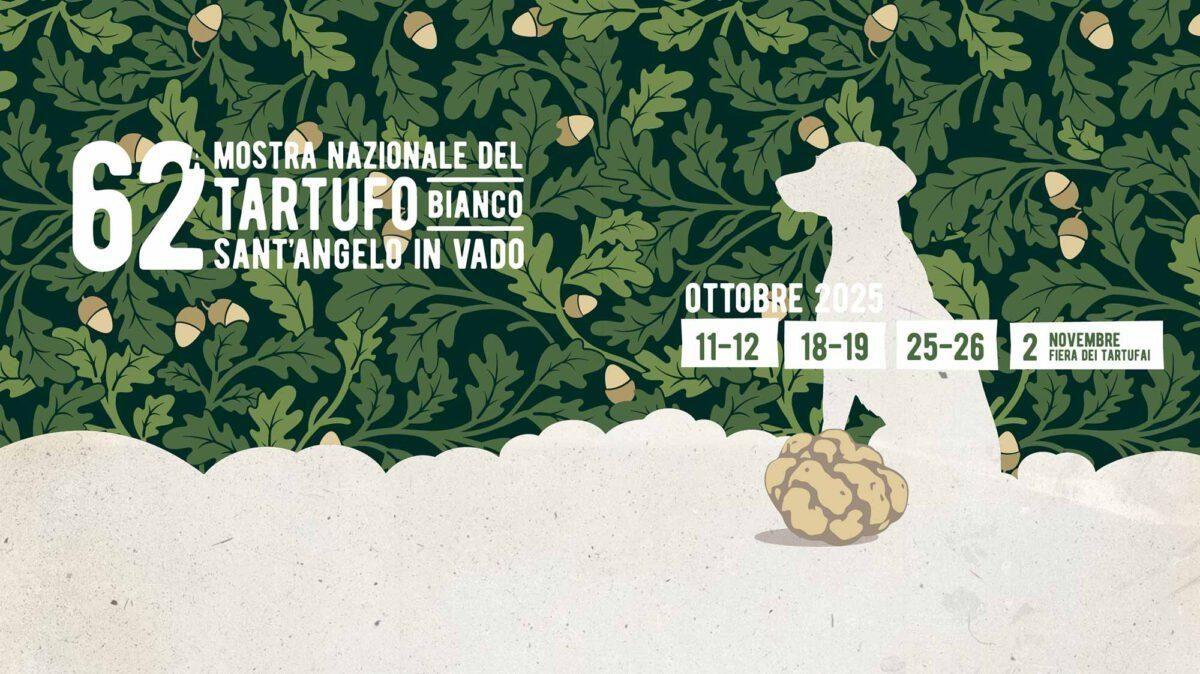
The festival usually takes place with a truffle market over three weekends in October and also on the first Sunday of November.
The program during these days includes truffle hunter excursions, motorcycle tours, cooking demonstrations, children’s activities, and concerts. Unfortunately, we arrived on Sunday evening and missed all the highlights from the earlier days.
Useful information about the Mosaics:
The mosaics are open to the public during truffle season. They’re also accessible every day except Monday, both in the morning and evening. However, you need to register in advance via email, an online form, or by phone with the tourist office. Check out the website for more information.
It’s a shame my photos of the mosaics turned out a bit dark—believe me, you have to see them in person!
To put your mind at ease, here are a few images that I thankfully found on Wikimedia Commons, and technically, they’re much better than mine:
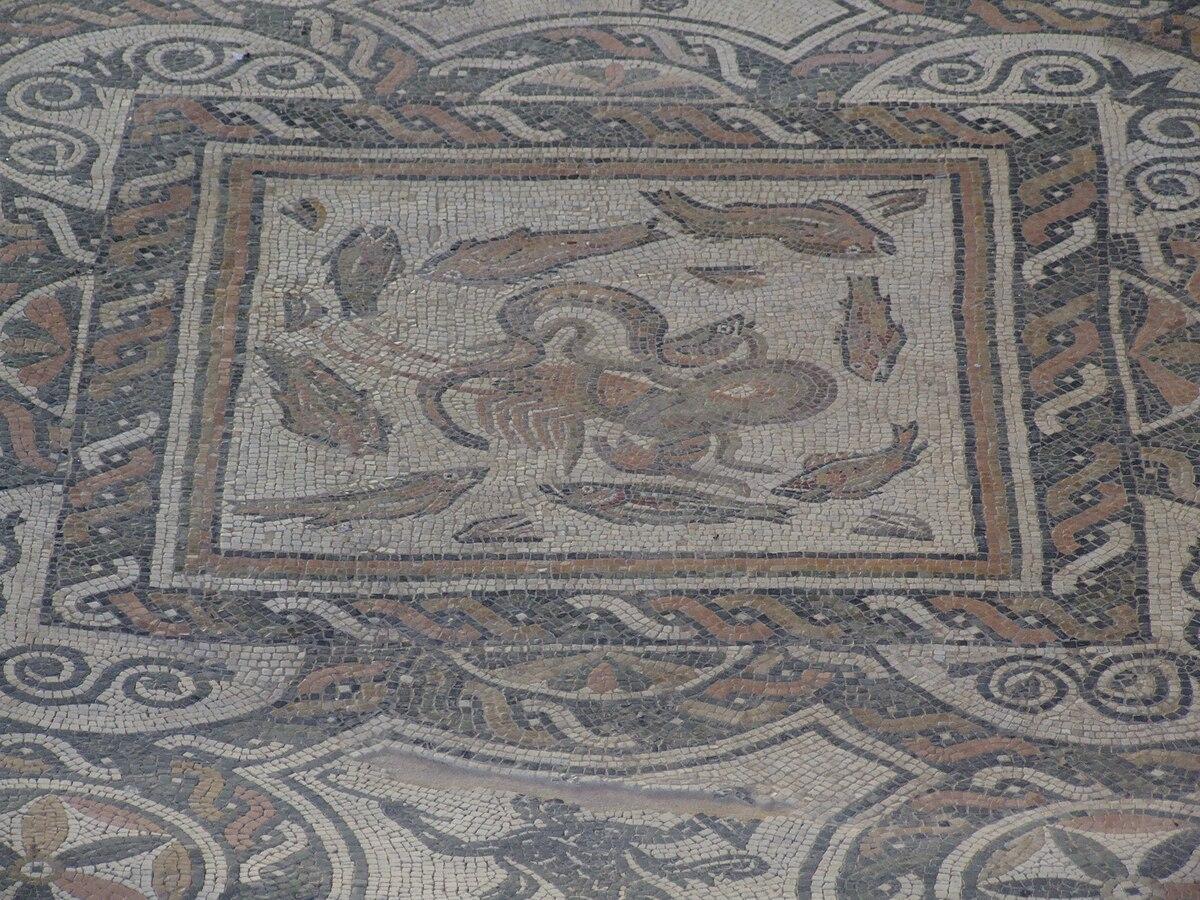
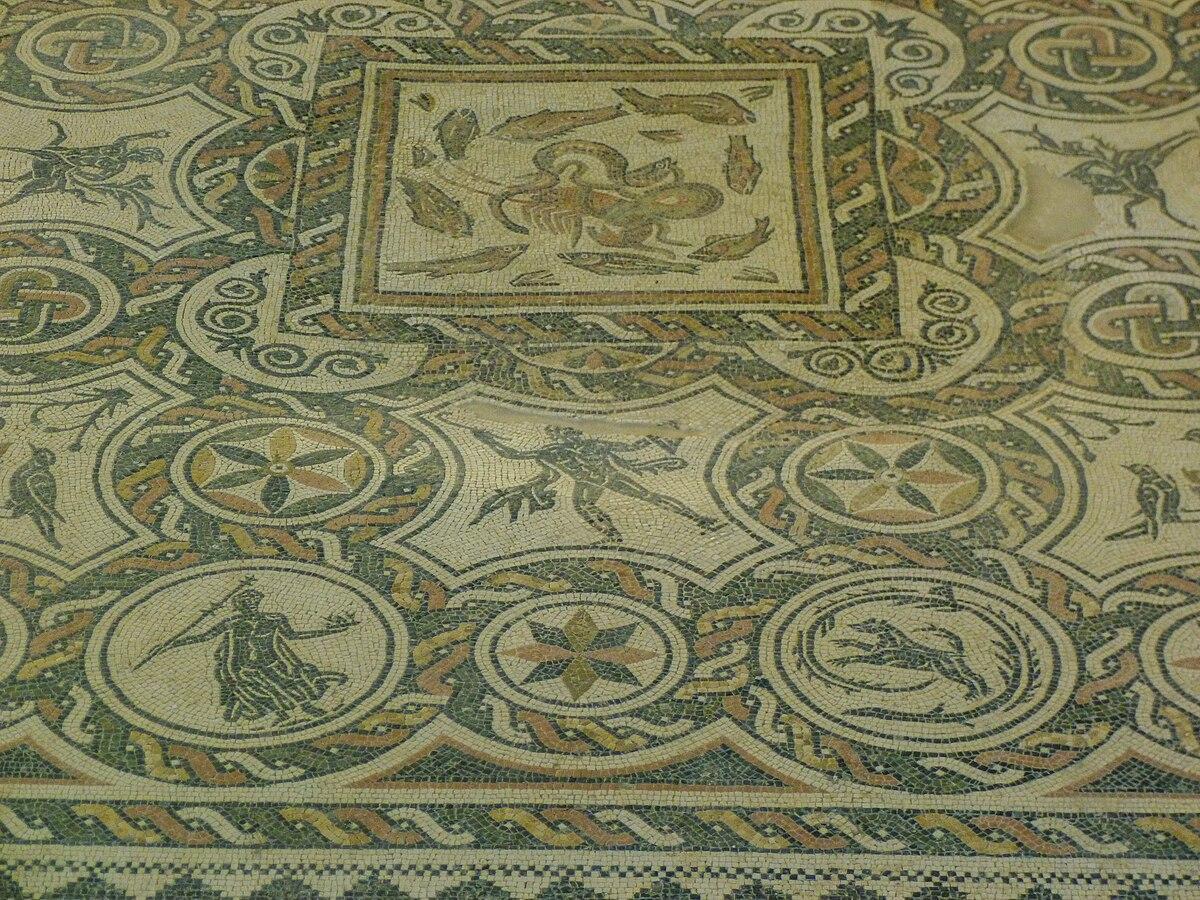
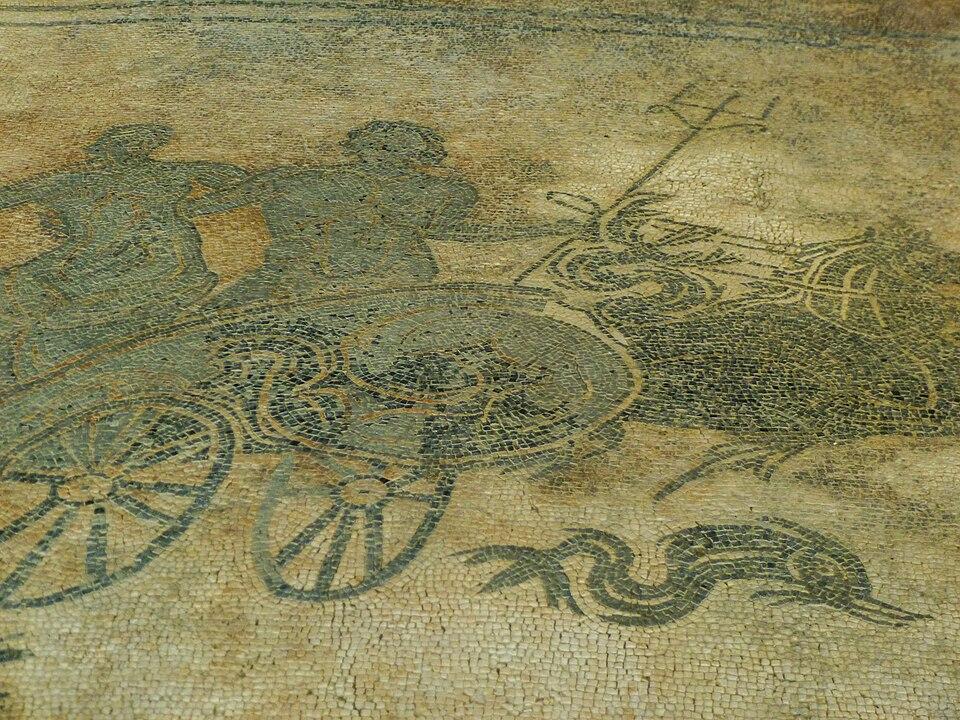
Photos by Diego Baglieri, CC BY-SA 4.0
https://creativecommons.org/licenses/by-sa/4.0 , via Wikimedia Commons:
- https://commons.wikimedia.org/wiki/Bestand:Domus_del_Mito_-_Sant%27Angelo_in_Vado_12.jpg
- https://commons.wikimedia.org/wiki/Bestand:Domus_del_Mito_-_Sant%27Angelo_in_Vado_33.jpg
- https://commons.wikimedia.org/wiki/Bestand:Domus_del_Mito_-_Sant%27Angelo_in_Vado_42.jpg
- https://commons.wikimedia.org/wiki/Bestand:Domus_del_Mito_-_Sant%27Angelo_in_Vado_12.jpg



0 Comments