Even in the summer heat of Le Marche, you can find beautiful shaded walks in nature. A visit to the Giardino delle Farfalle (Butterfly Garden) is the perfect one day trip: you stroll through a shaded park, learn all about butterflies, and can even enjoy a picnic or grab a bite to eat!
To get there, head to the northernmost tip of the Sibillini National Park, in the mountainous part of Le Marche.
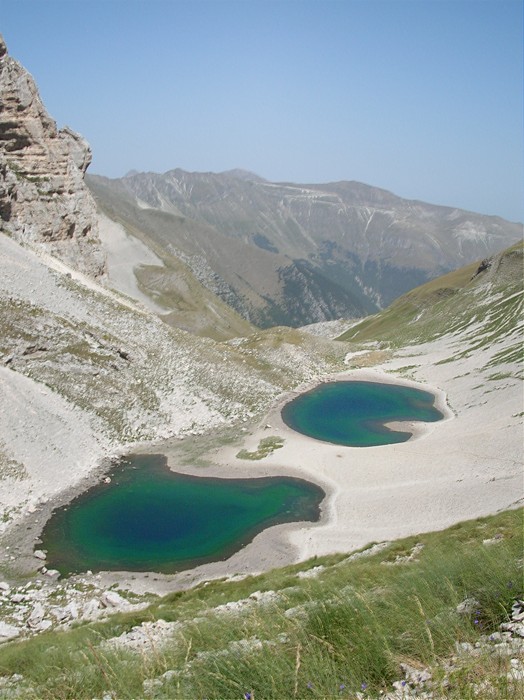
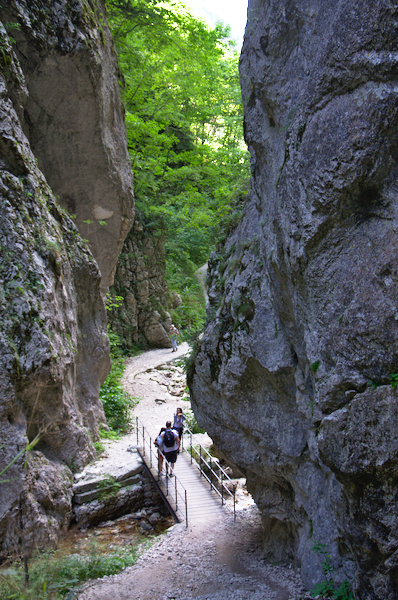
Hier könnt Ihr auch fantastische Wanderungen unternehmen, lest dazu gerne unsere Tipps zu Touren in der Gola dell’Infernaccio und dem Lago di Pilato!
This is also a great area for hikes – check out our posts about the Gola dell’Infernaccio and Lago di Pilato if you’re planning to explore further.
The Butterfly Garden
But today’s focus is the Butterfly Garden! You’ll find it on the edge of the village of Cessapalombo. The car park is fairly small, but during the week you shouldn’t have trouble finding a spot.
The garden was created in 2011 by two nature guides, Patrizio and Fabiana, and opened to the public shortly after. In 2012 it became an official educational center, hosting activities for children and adults alike.
The 2016 earthquake caused significant damage and forced the garden to close, but thanks to the help of many volunteers, it was lovingly rebuilt. (Could not be by chance that the Greek word psyche means both “soul” and “butterfly.”)
In 2021, work began on an additional building to welcome even more visitors in the future.
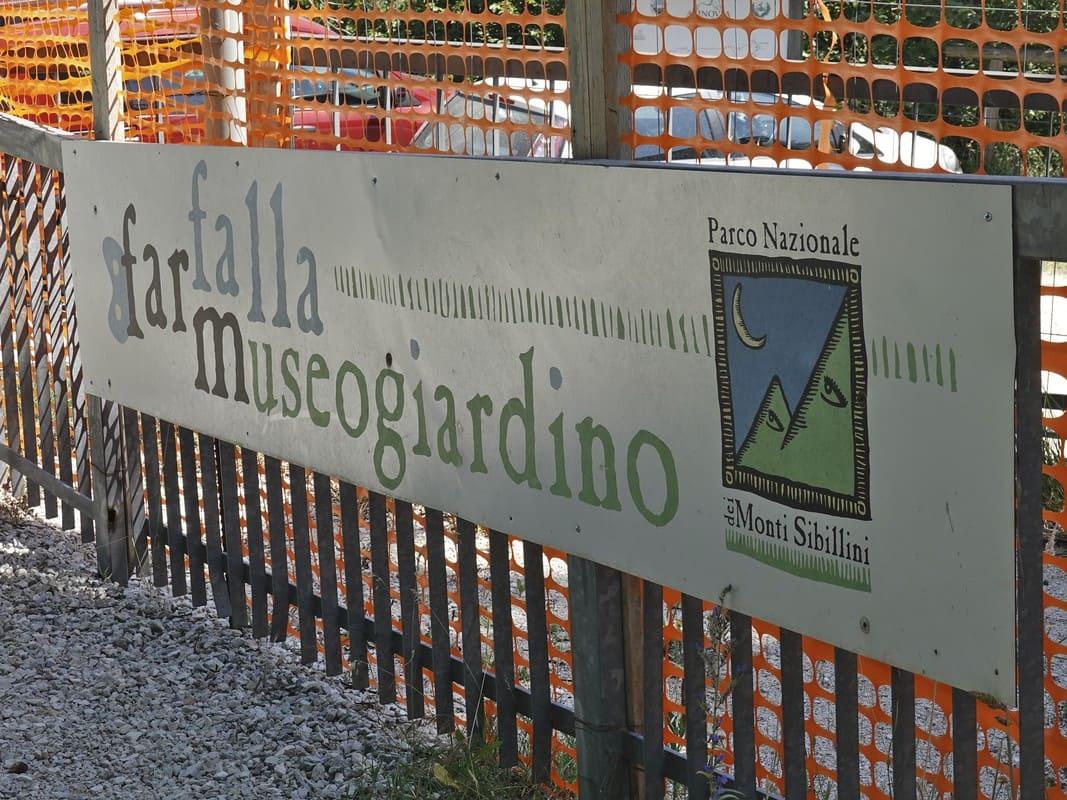
At the current visitor center, which also houses a small shop, you buy your tickets. Guided tours start every hour, and our co-blogger Isabelle arrived just in time to join one with another family. Here’s her report:
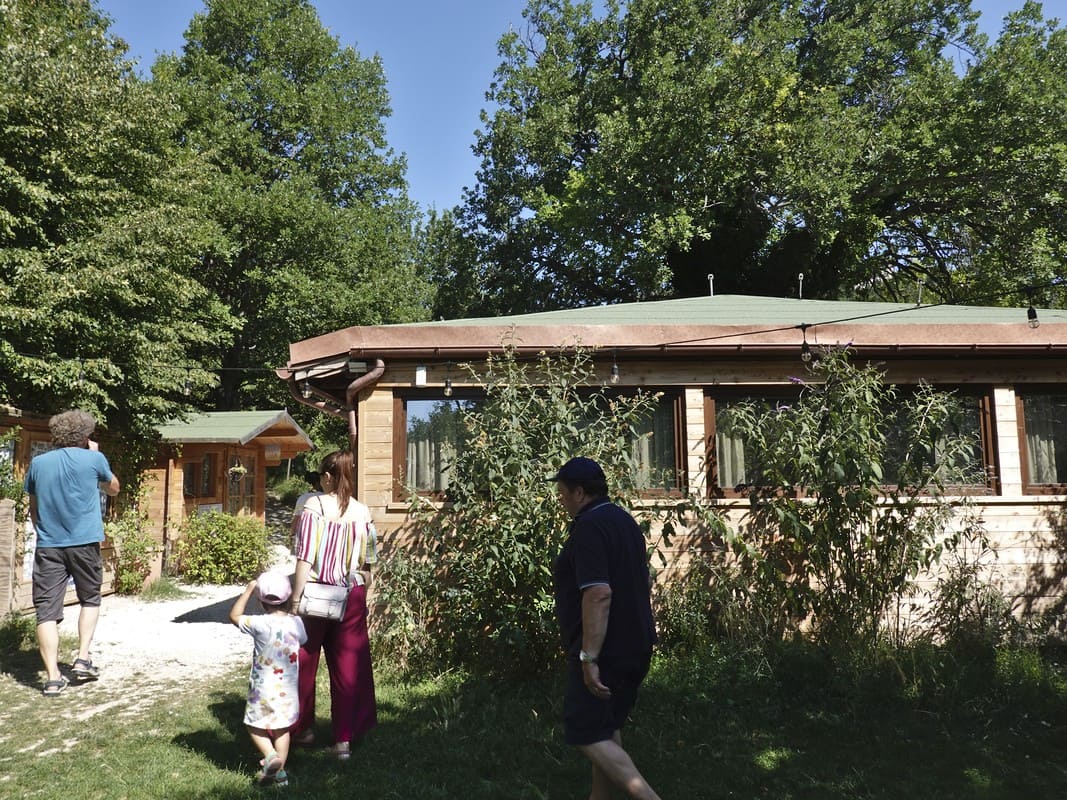
First Impressions
A short walk through the park brings us to the first pavilion. Inside, we’re greeted by a special UV light installation that shows us how butterflies see the world. Bright paper flowers glow in vivid colors, simulating the way insects perceive their surroundings. (Sadly, the effect is hard to capture in photos!).
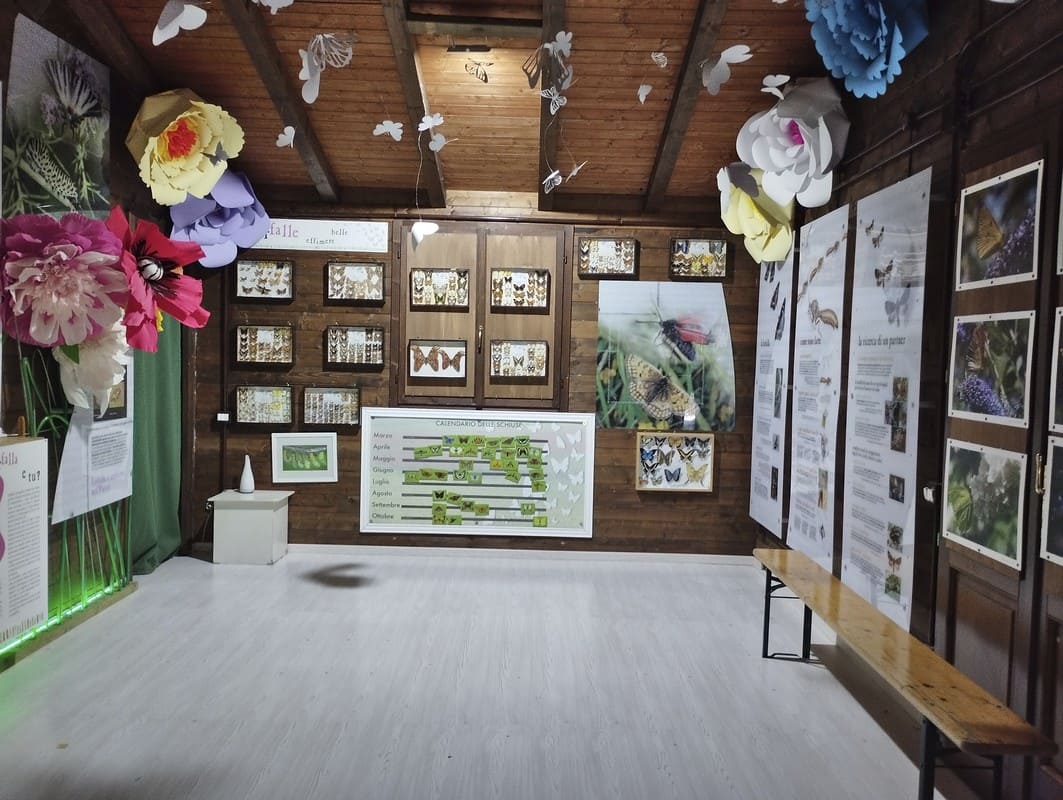
We learn fascinating facts: female butterflies are usually larger but less colorful than males, with camouflage tones to protect them. Some species mimic other animals to scare off predators: one tropical butterfly, for example, has markings that resemble a cobra’s head.
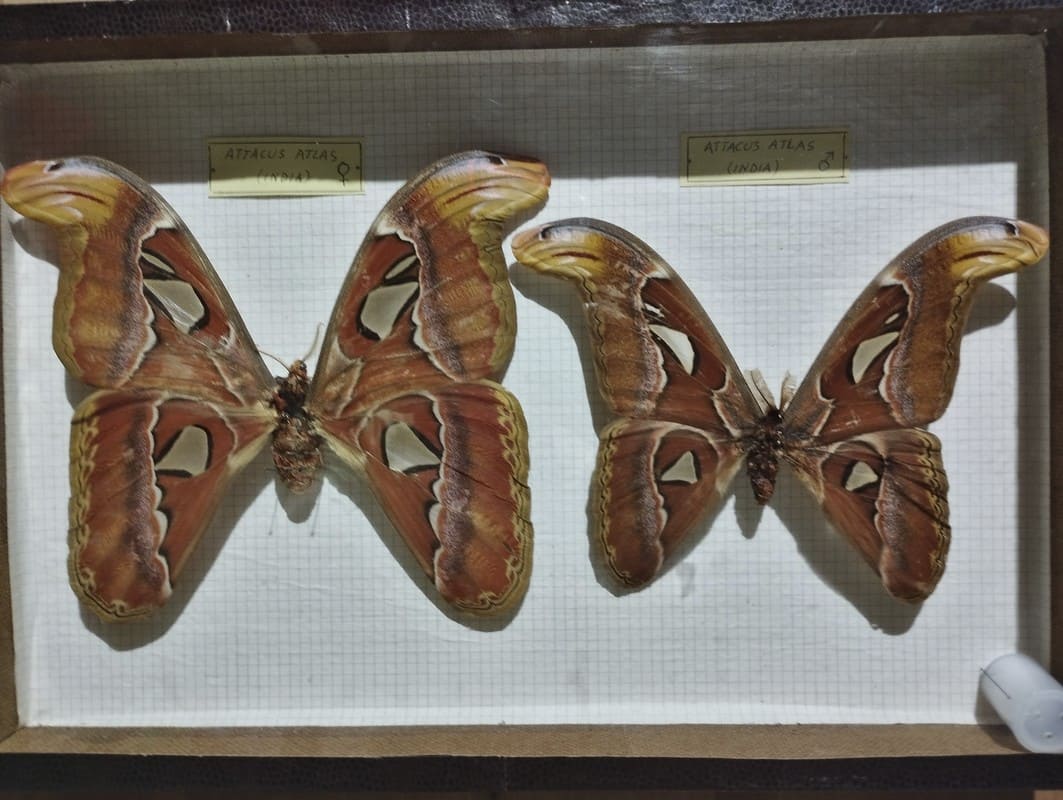
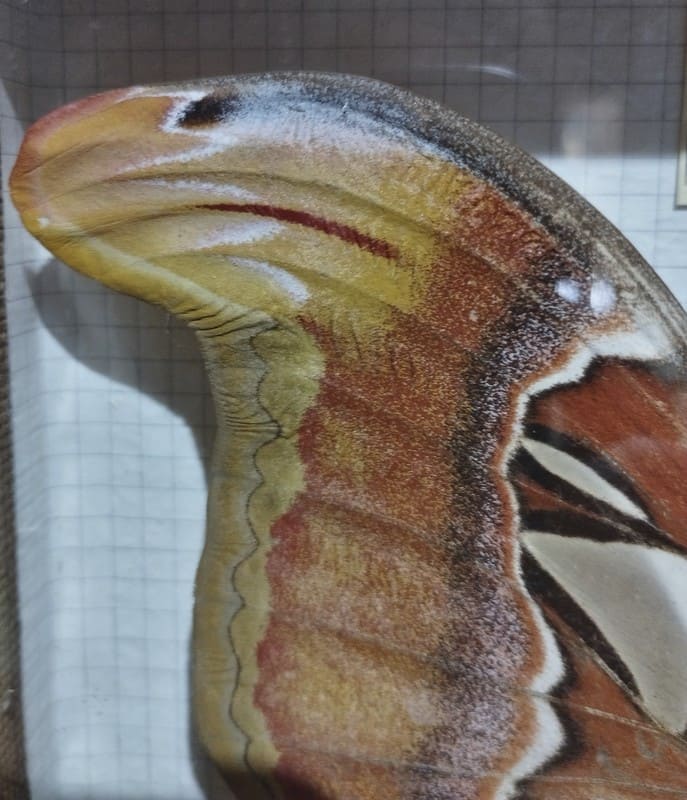
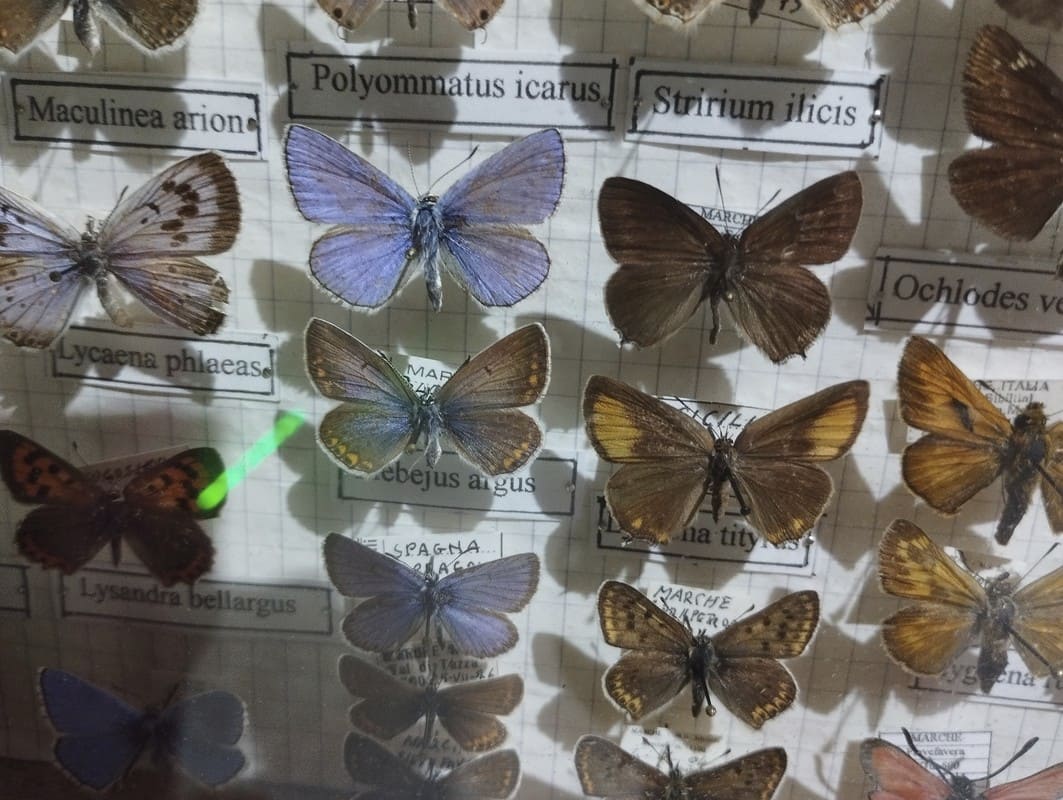
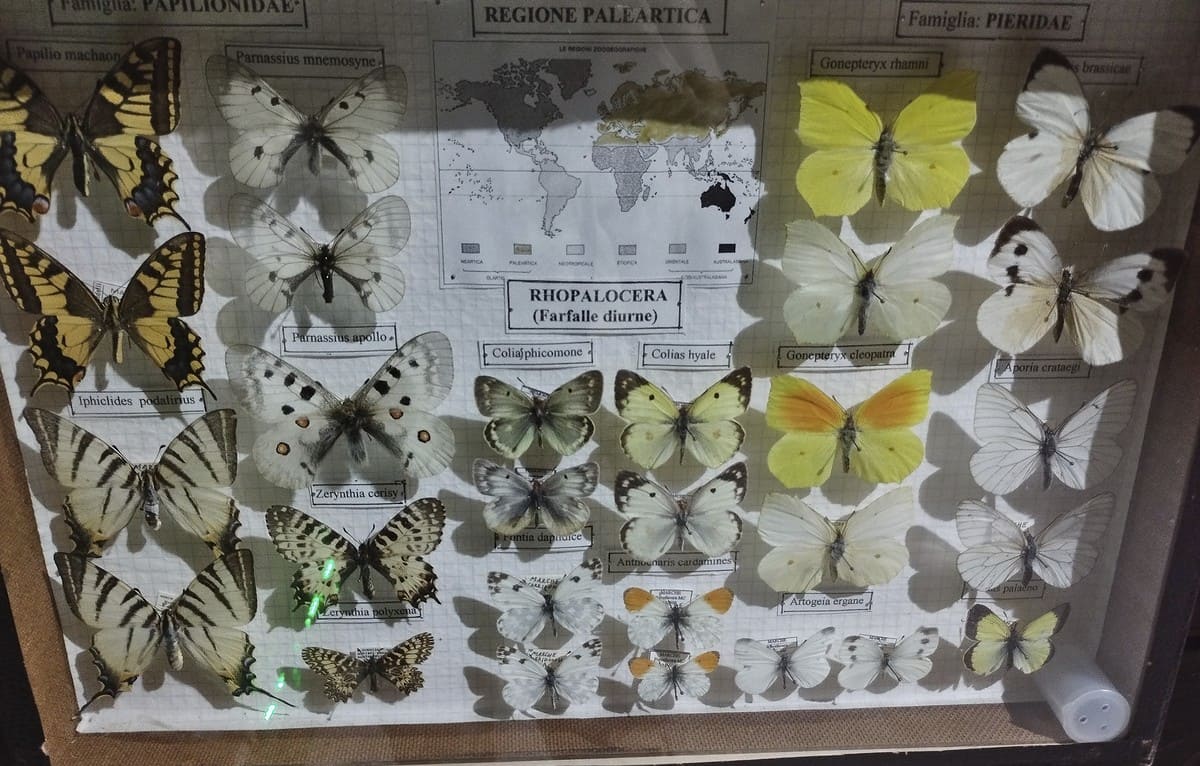
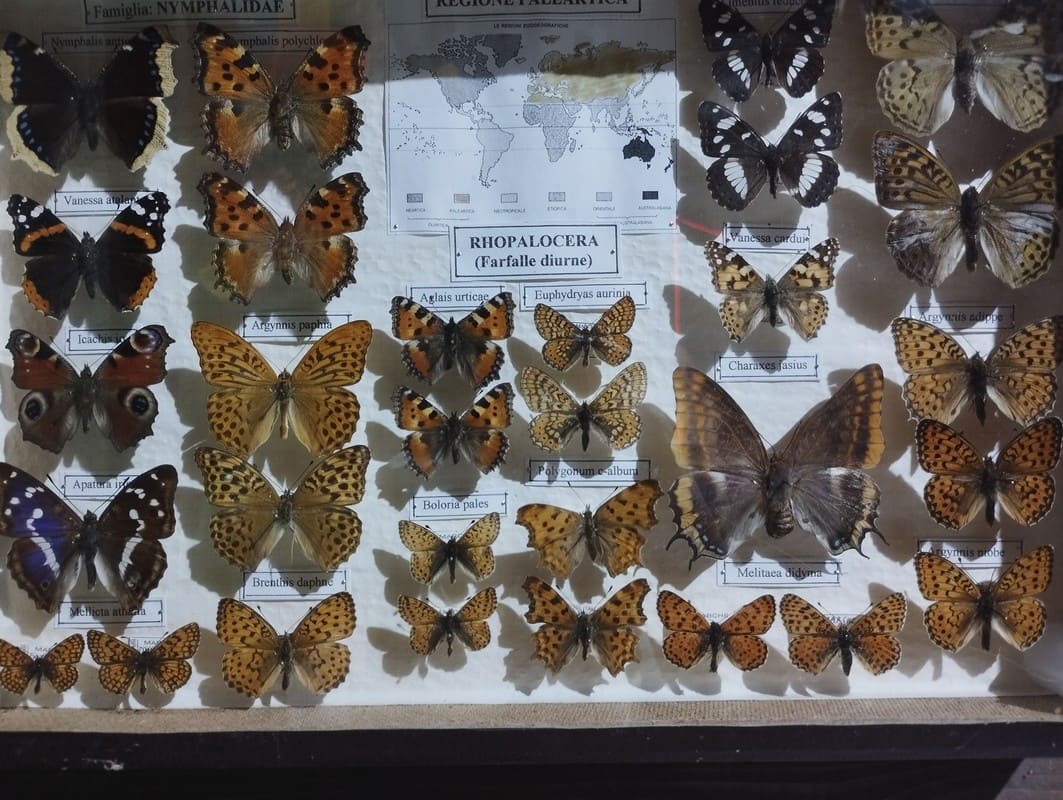
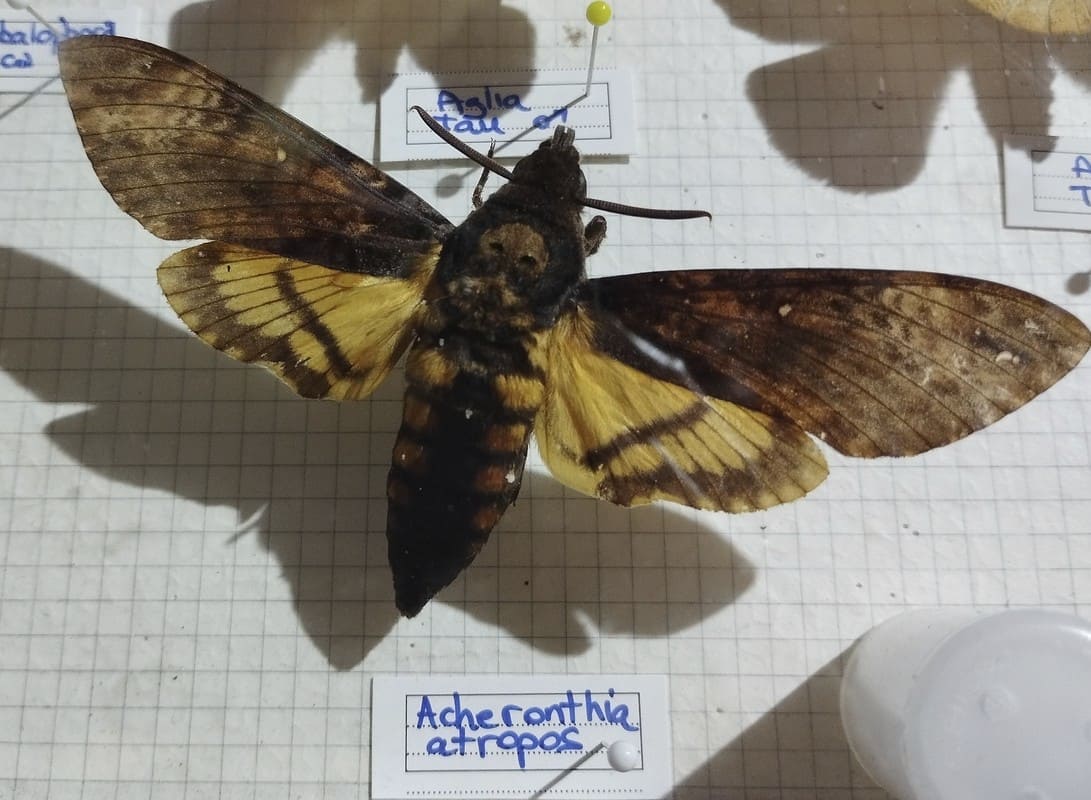
Moths, on the other hand, can be recognized by their feathery antennae and by the way they rest with wings open or folded down, unlike butterflies that fold them upright. Most moths are nocturnal.
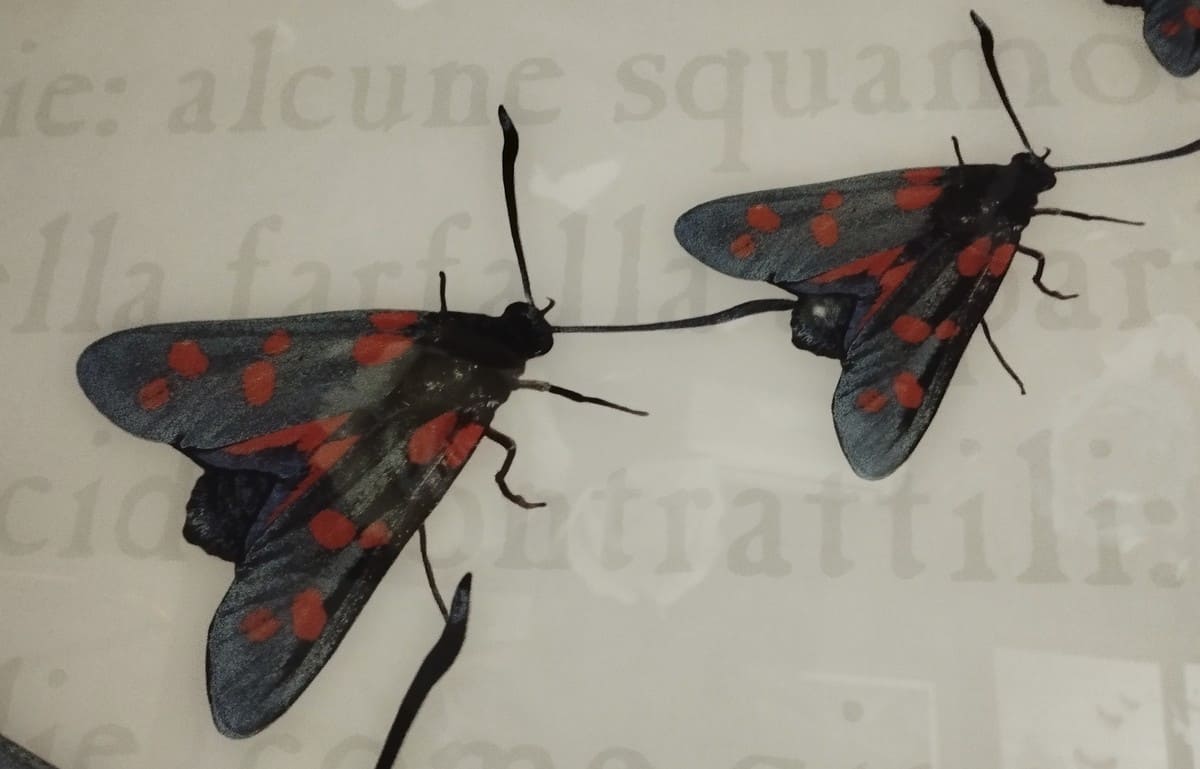
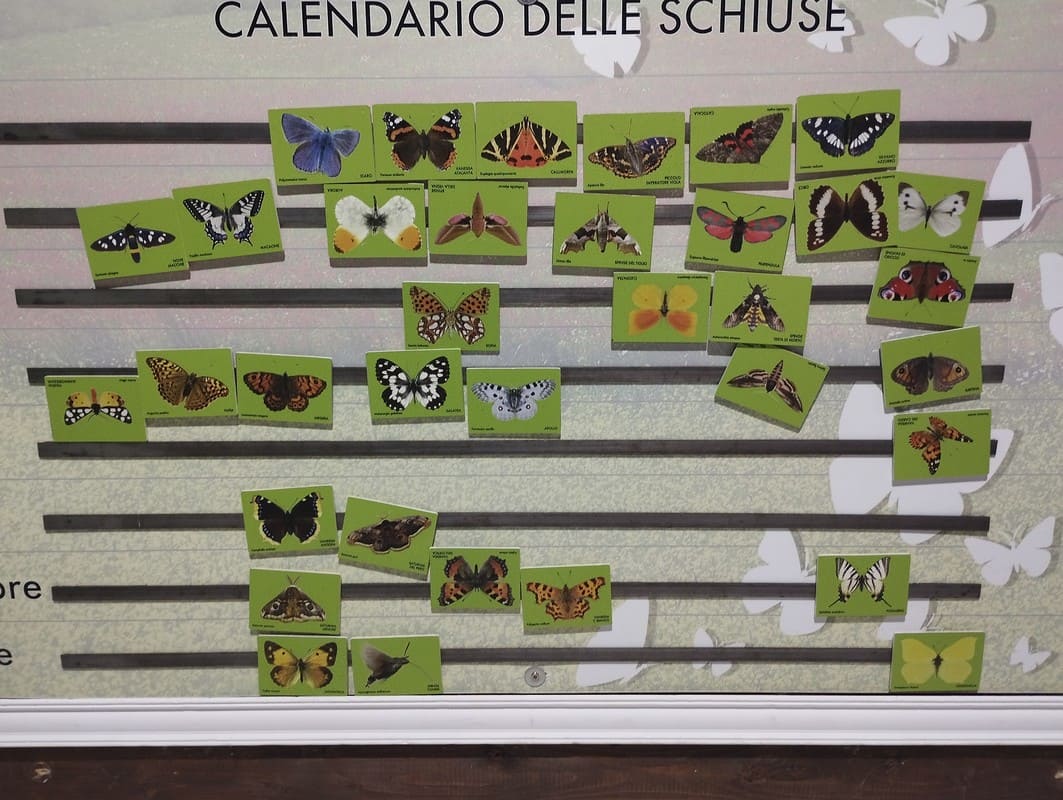
To make things interactive, our guide encourages us to touch inside hidden boxes and guess which animals are butterfly predators (frogs, lizards, dragonflies, wasps…). A seasonal calendar also shows which species appear at different times of the year.
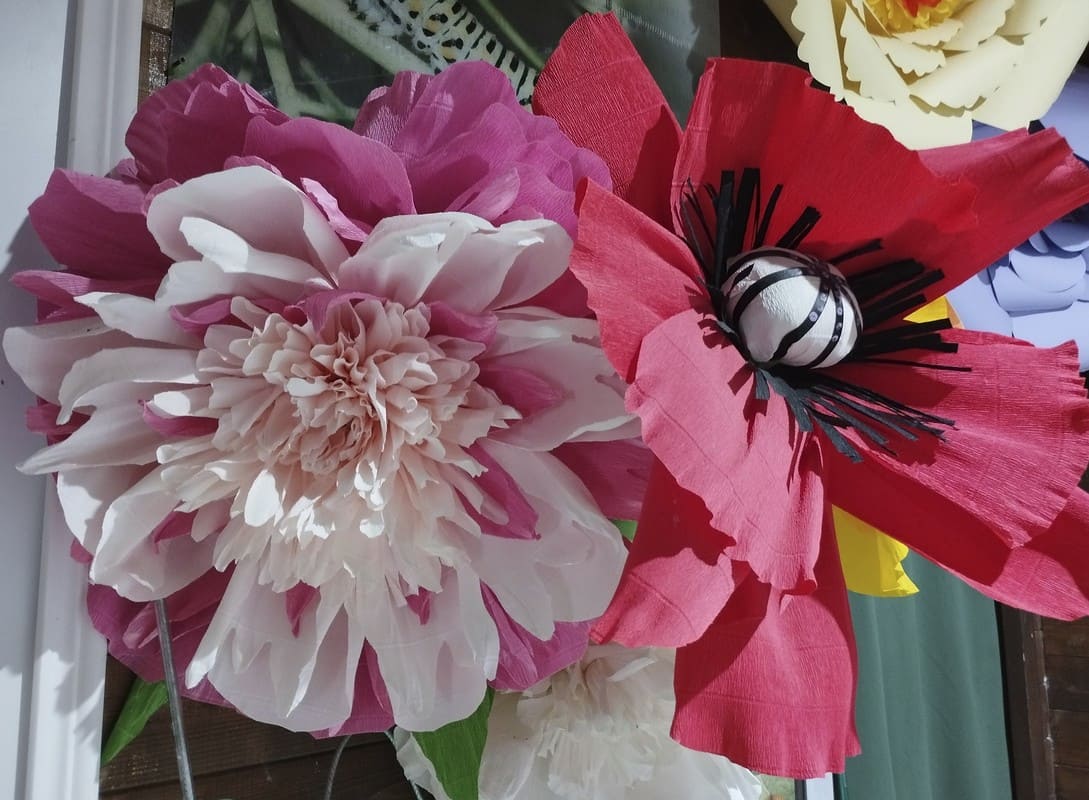
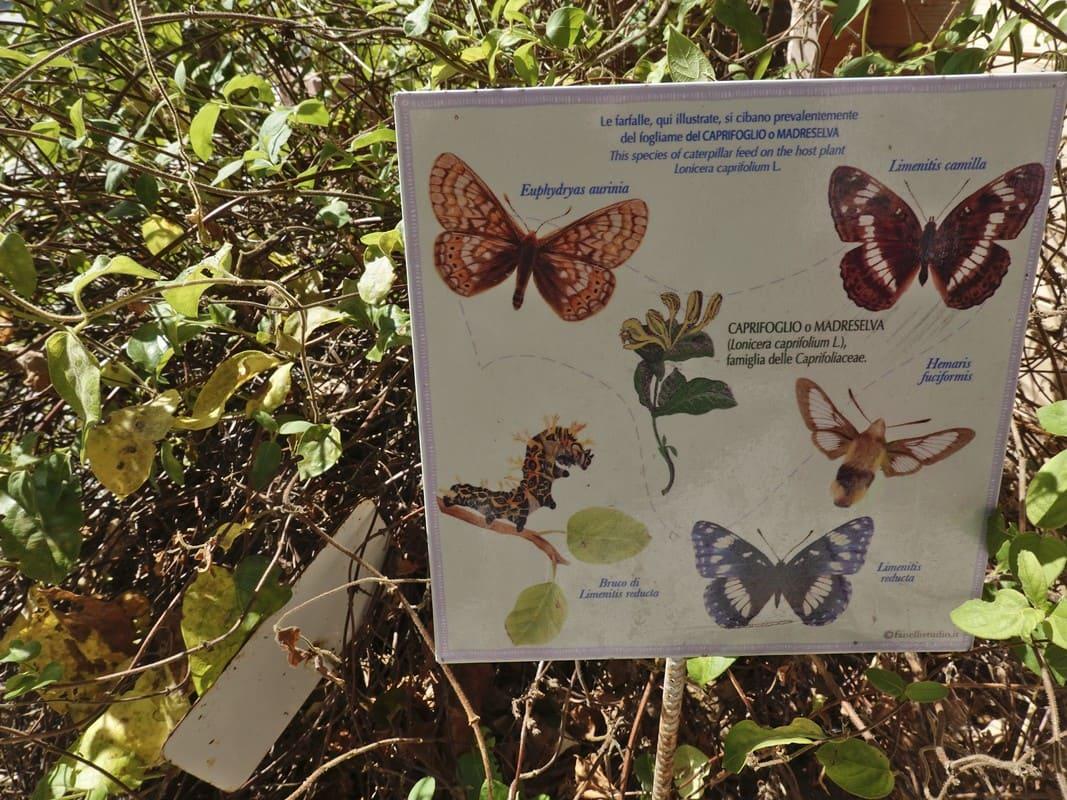
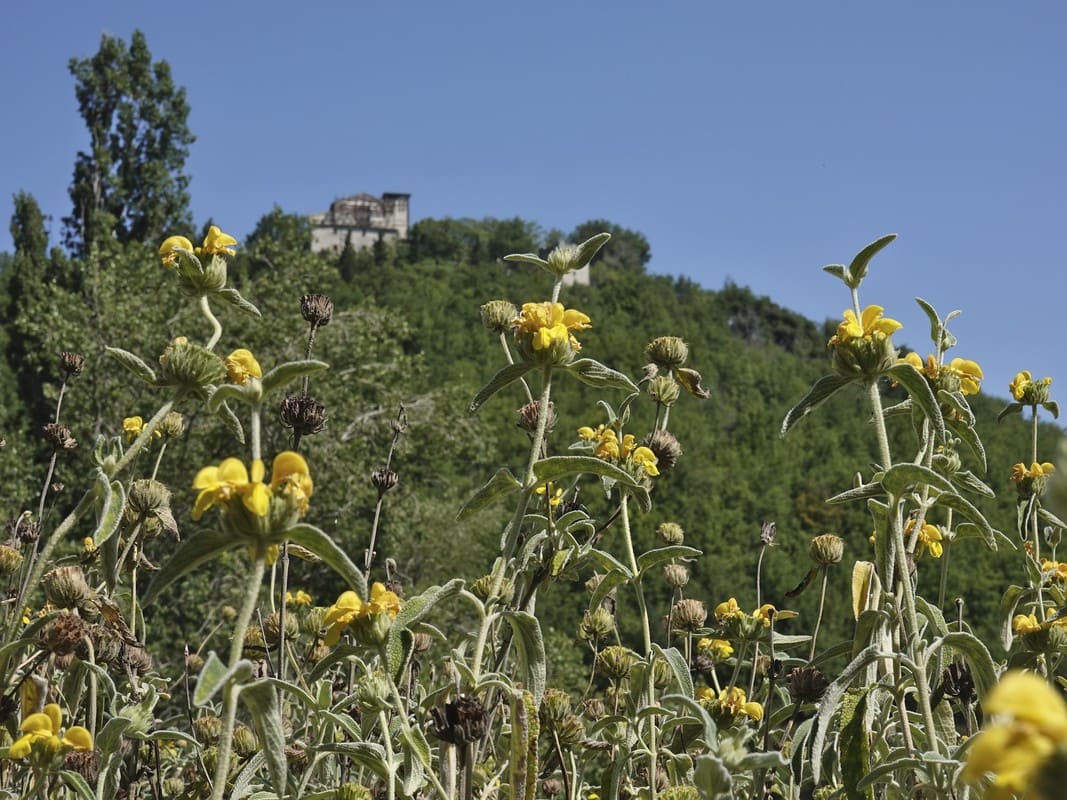
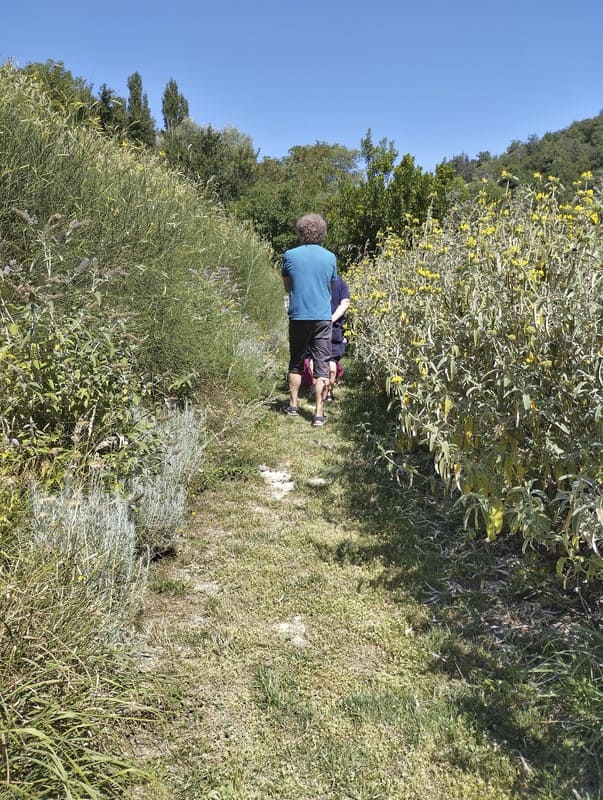
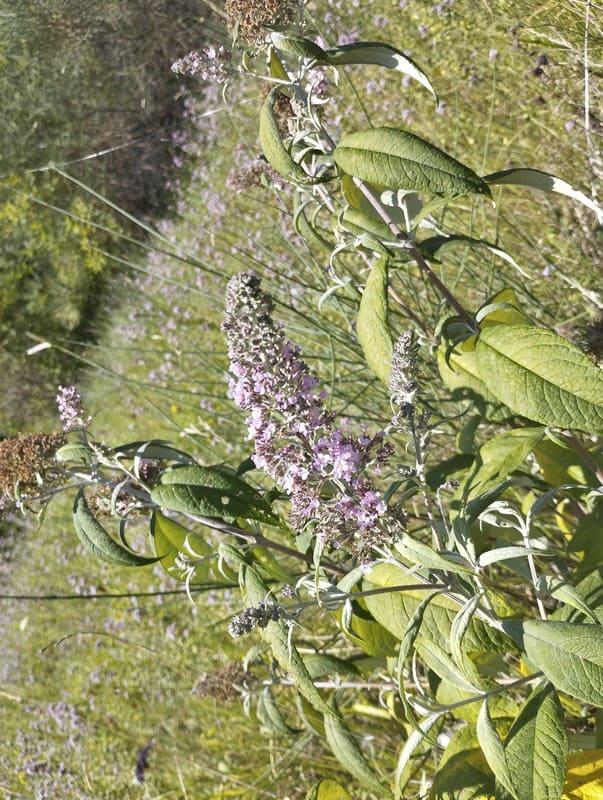
We leave the little wooden house and stroll through the park, which is full of plants that serve the caterpillars both as places to lay their eggs and later as food. Lavender, butterfly bushes, nettles, and honeysuckle — lovely to see, especially since most of them also grow in our own gardens at home! Next to each plant, a sign explains which butterfly or moth species lives in connection with it.

The Research Centre
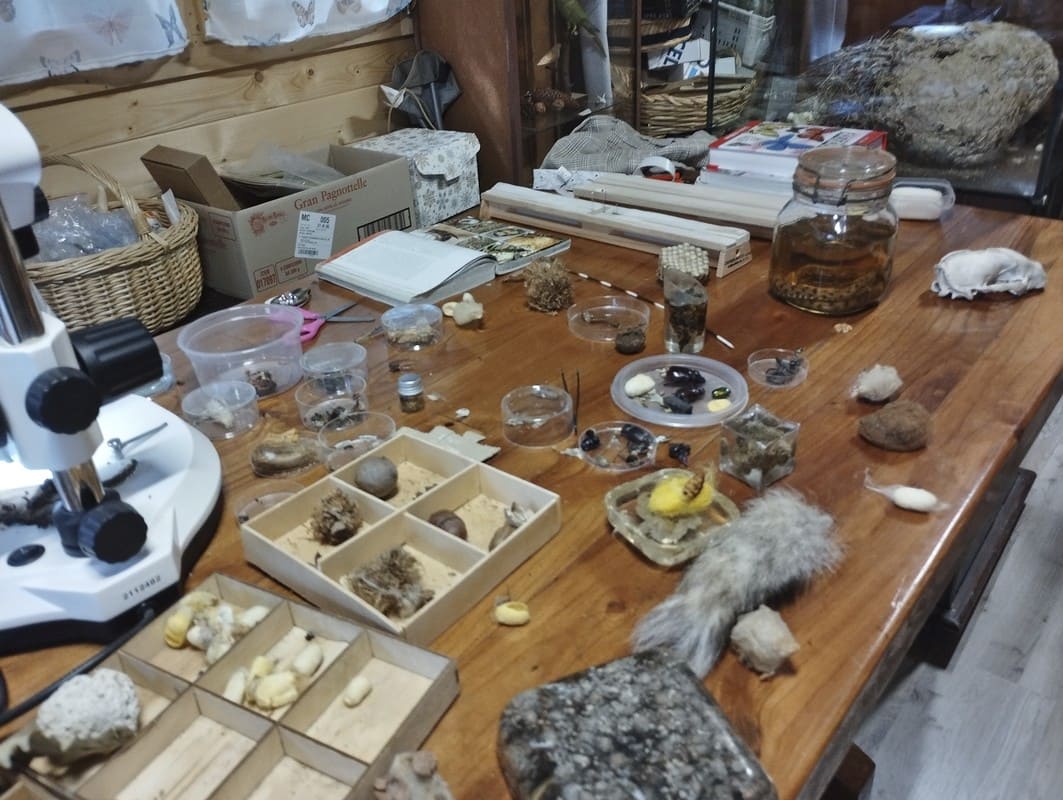
Next stop is the “Research Center,” where a large microscope connected to a screen lets us study insects in detail. Here we see hornet nests, gall formations, rhinoceros beetles, and even a silkworm – a tiny insect that produces precious silk threads.
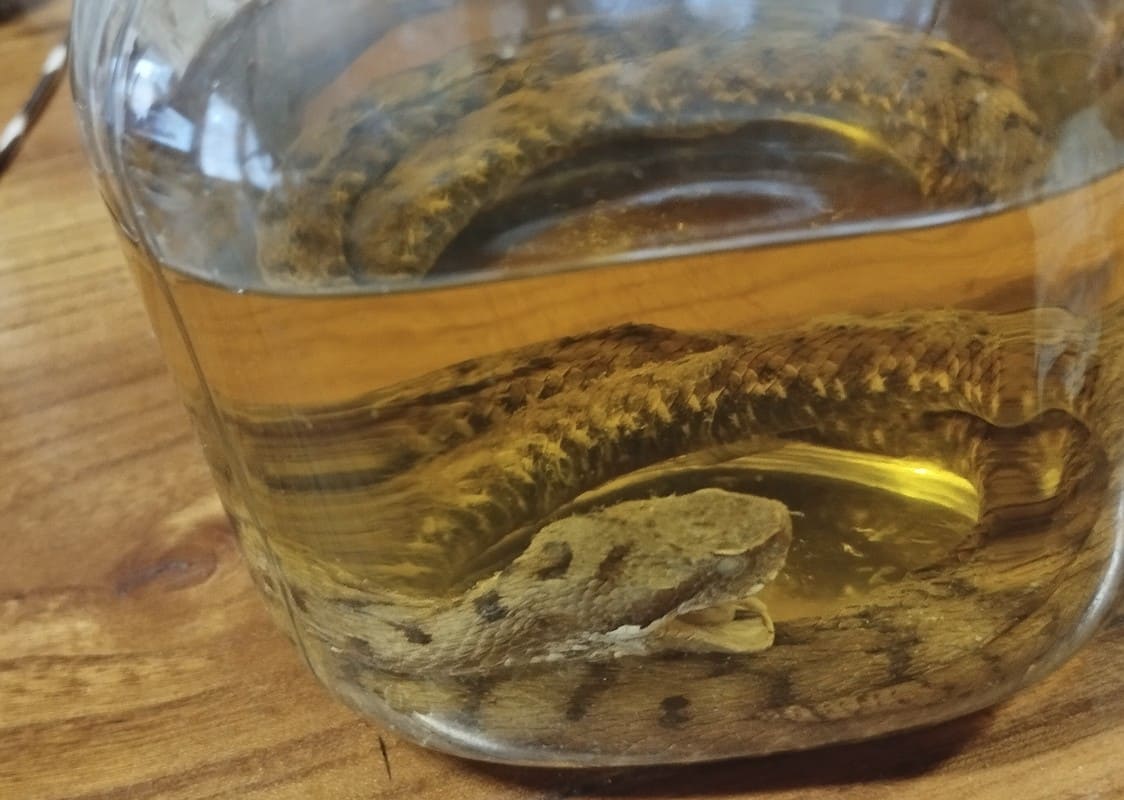
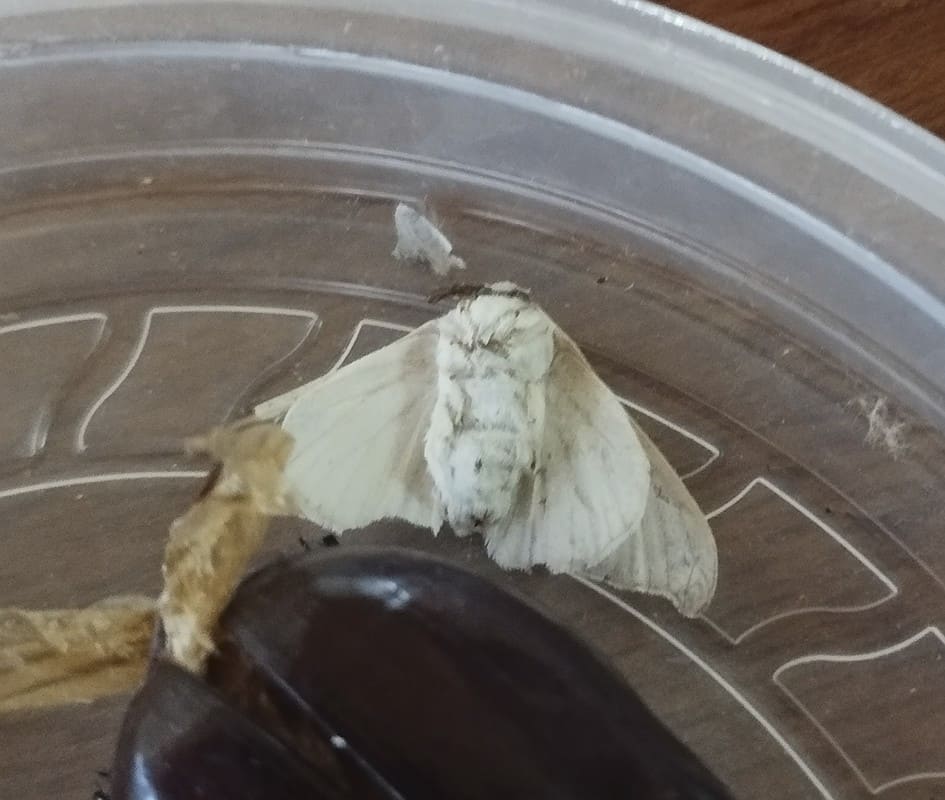
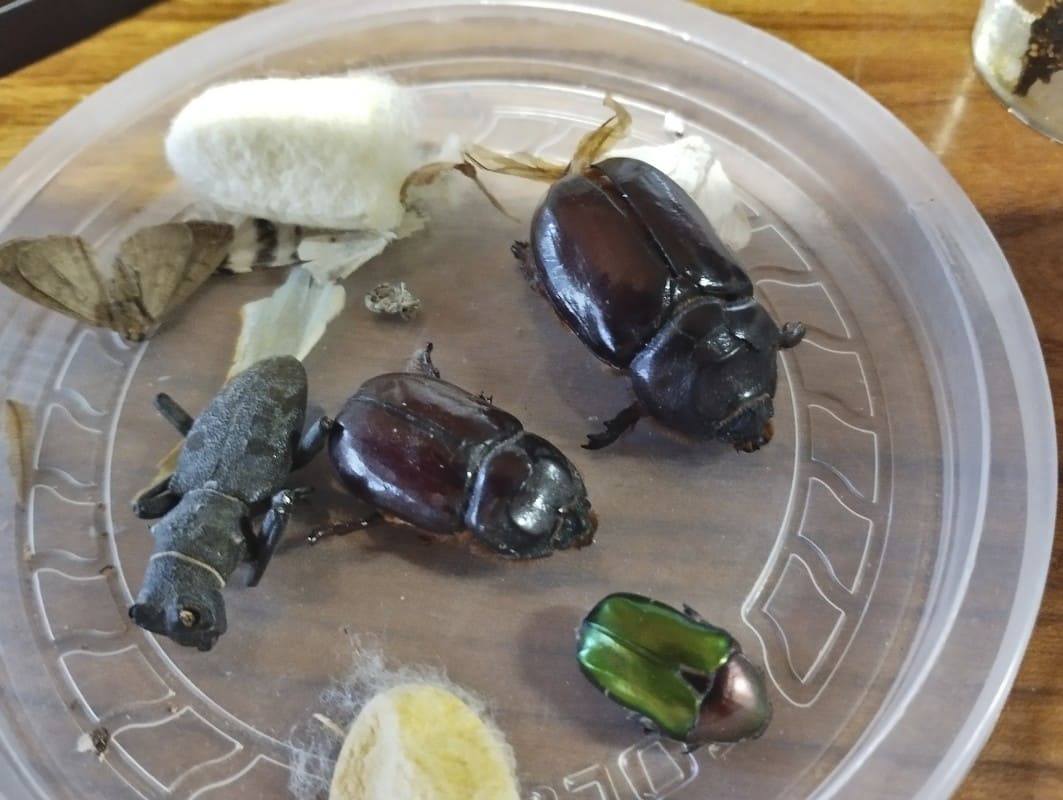
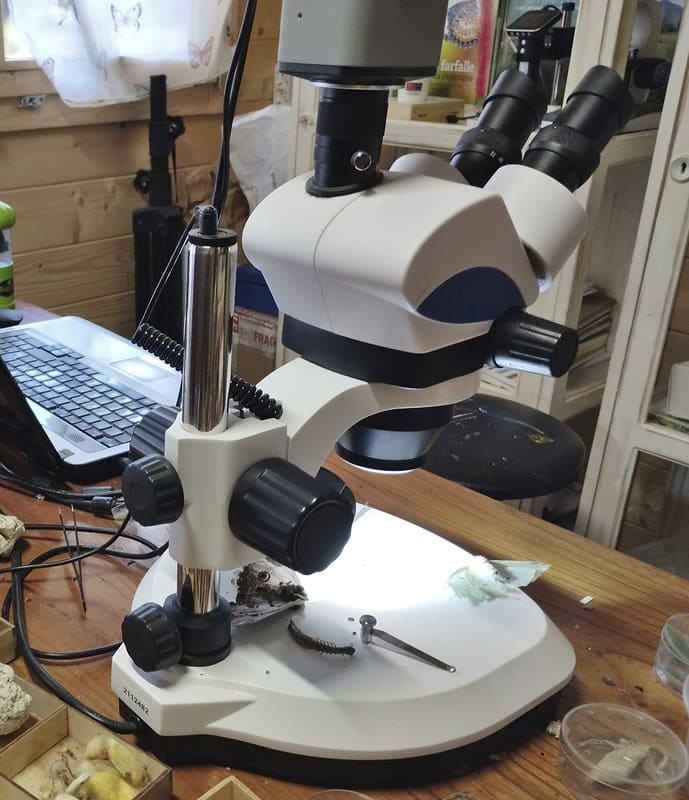
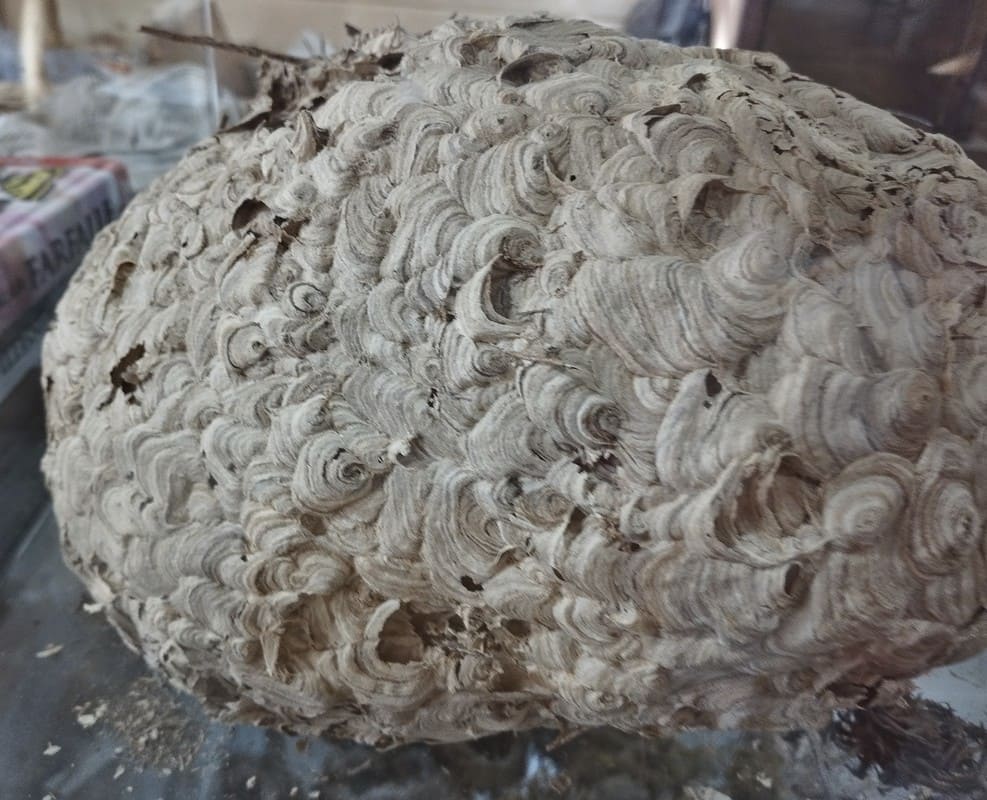
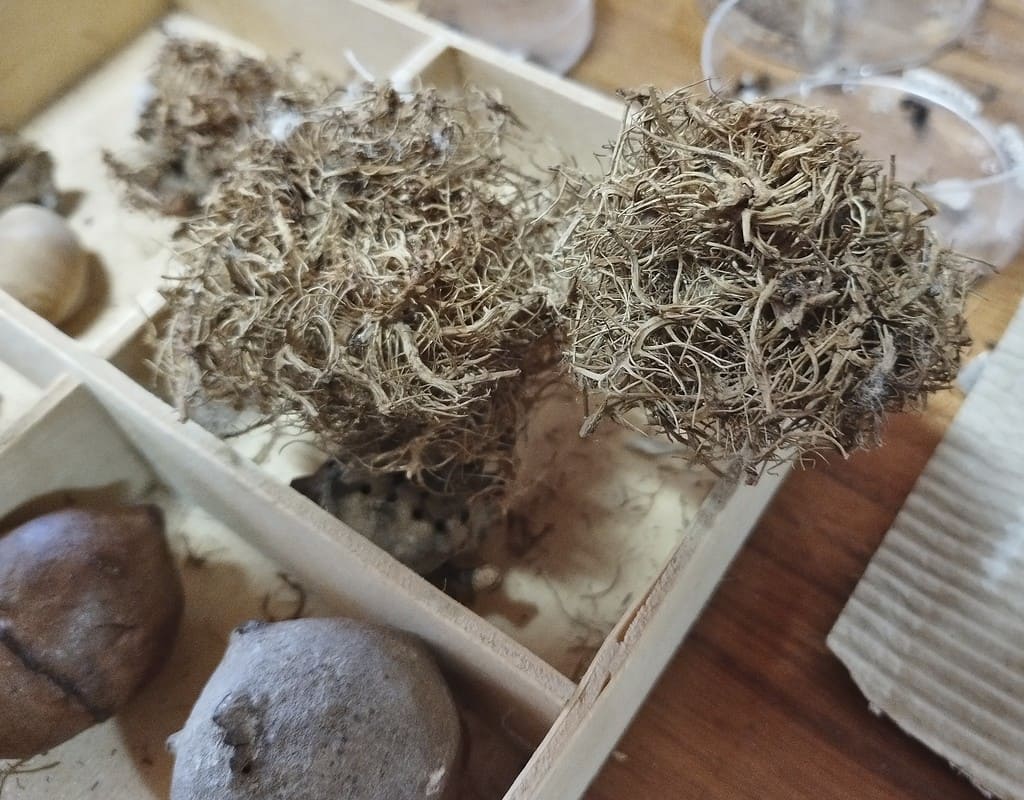
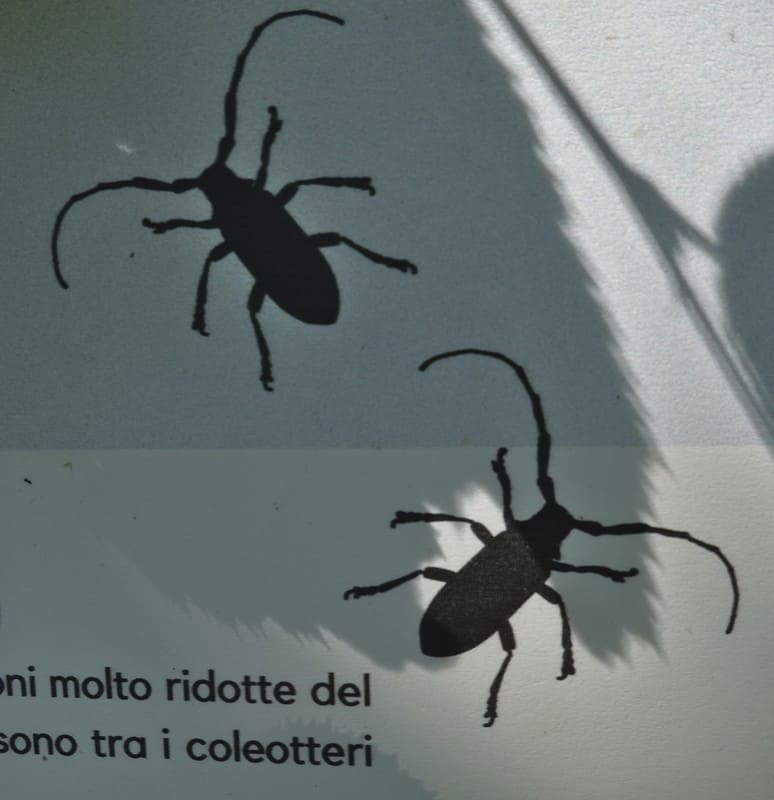
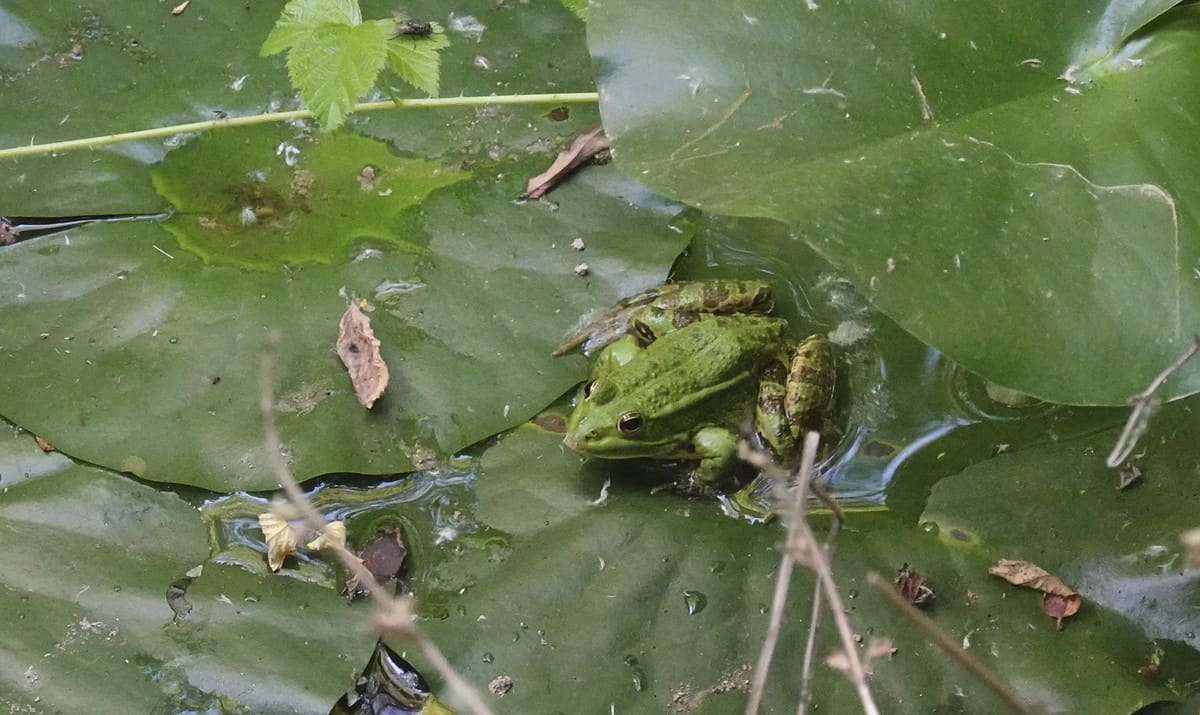
From there, we follow the trail through a patch of woodland, past a frog pond, and even spot a log riddled with holes — the habitat of the longhorn beetle.
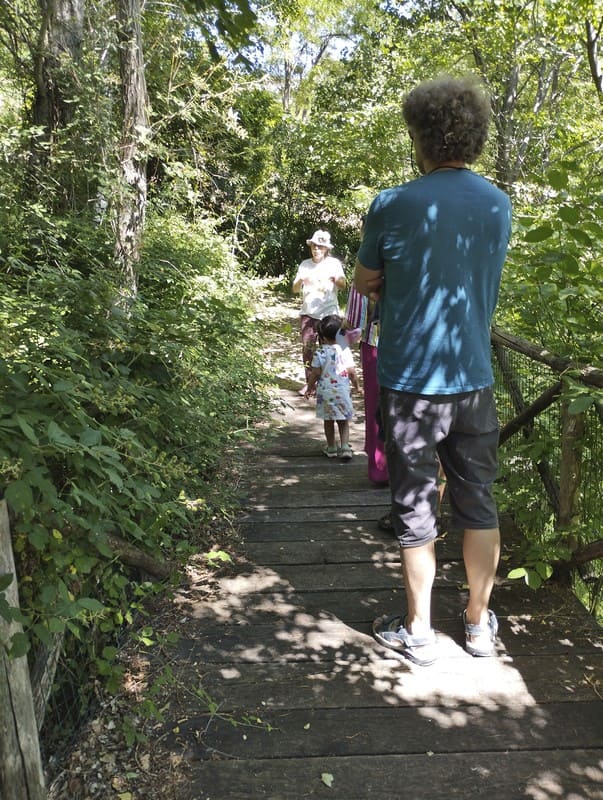
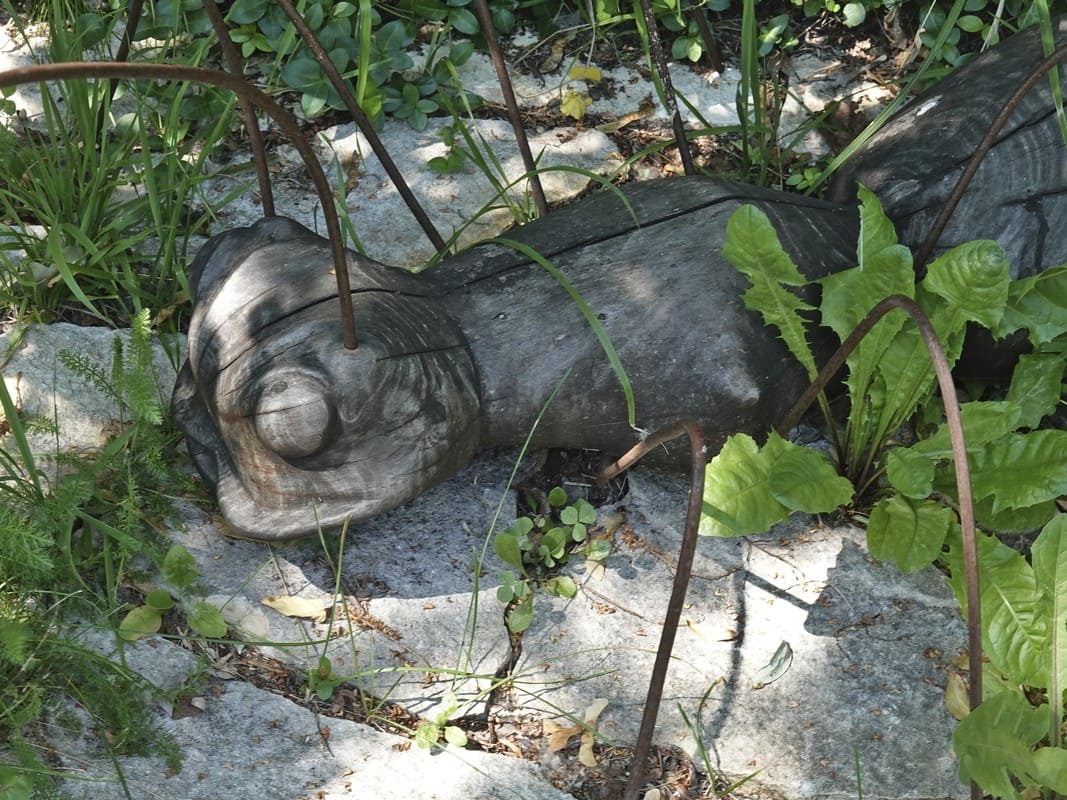
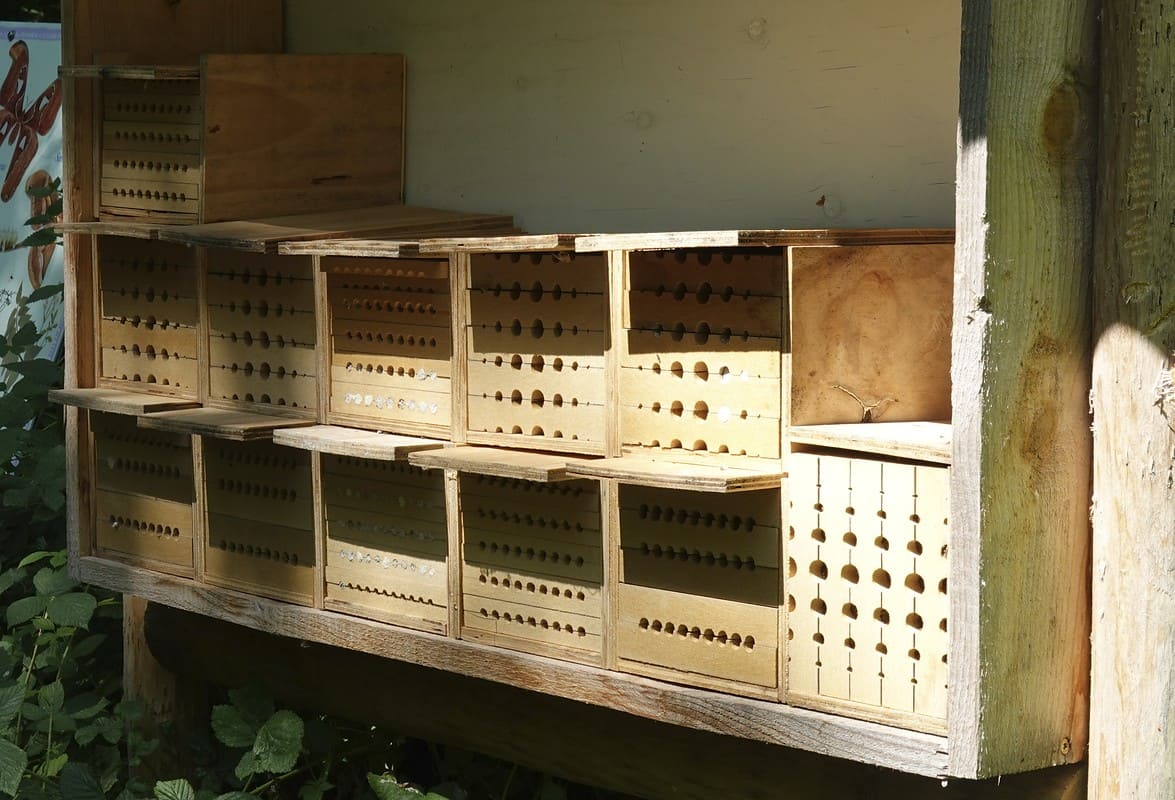
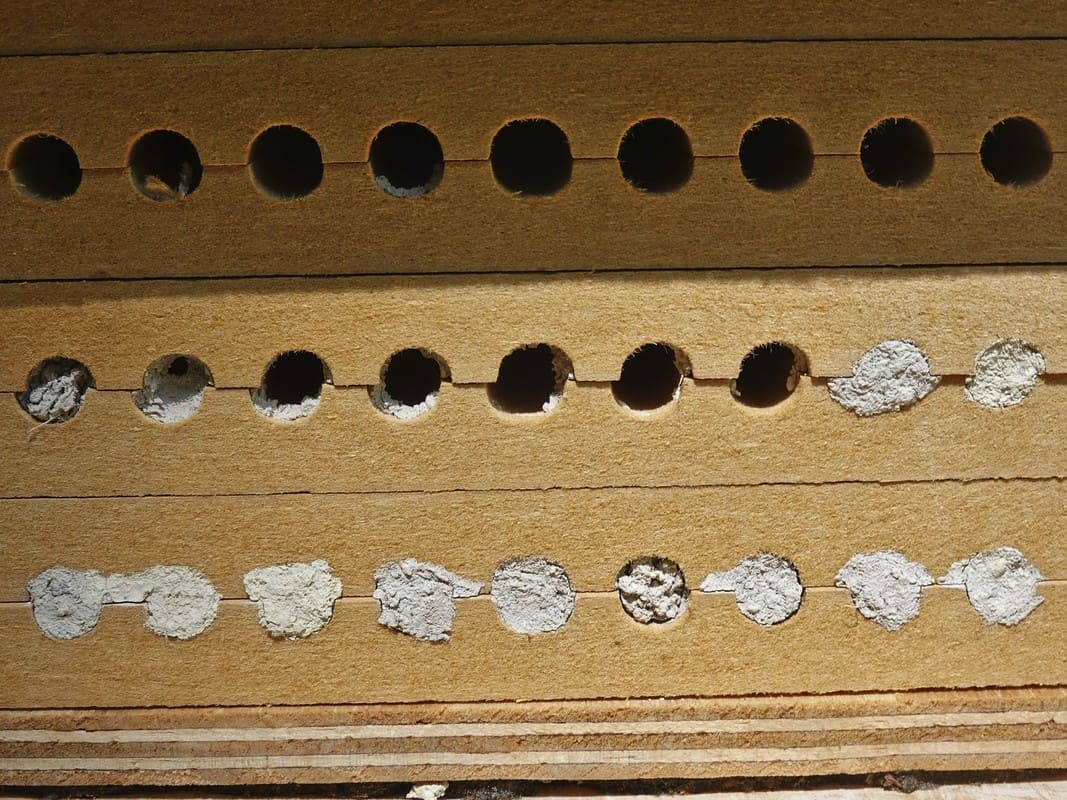
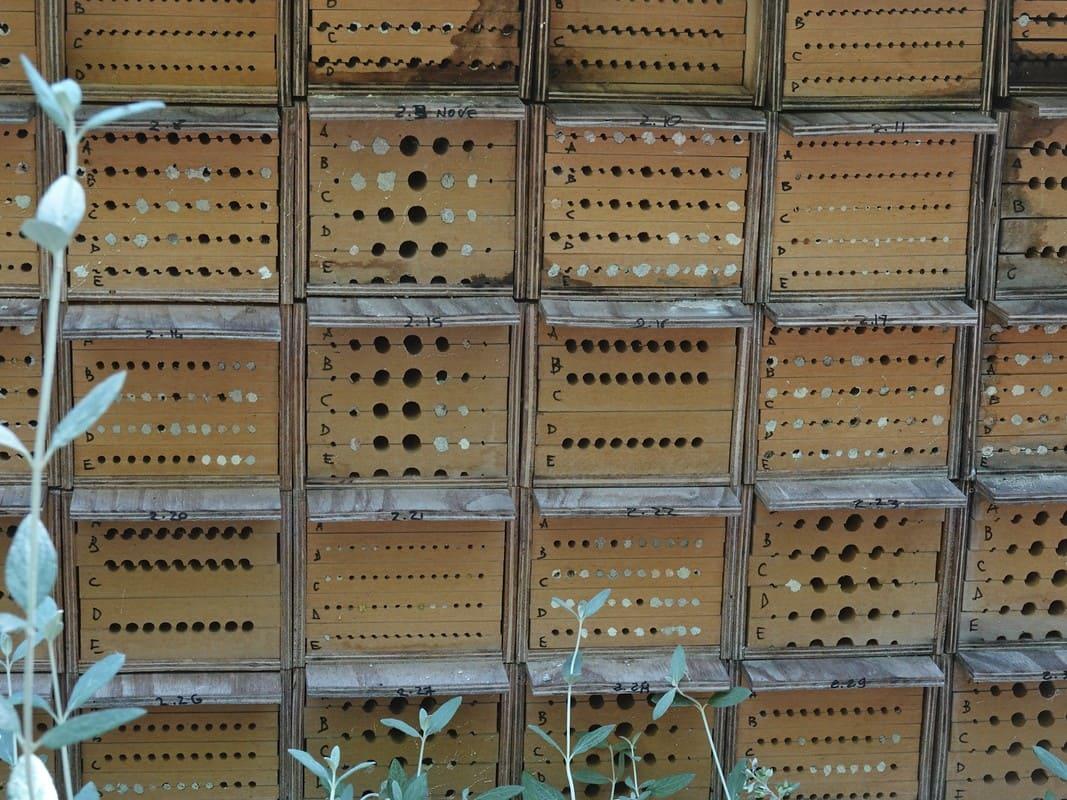
Bee hotels are scattered everywhere, and we learn how wild bees seal their nests with a paste of chewed wood. They don’t make honey, but they are essential pollinators.
The caterpillar farm
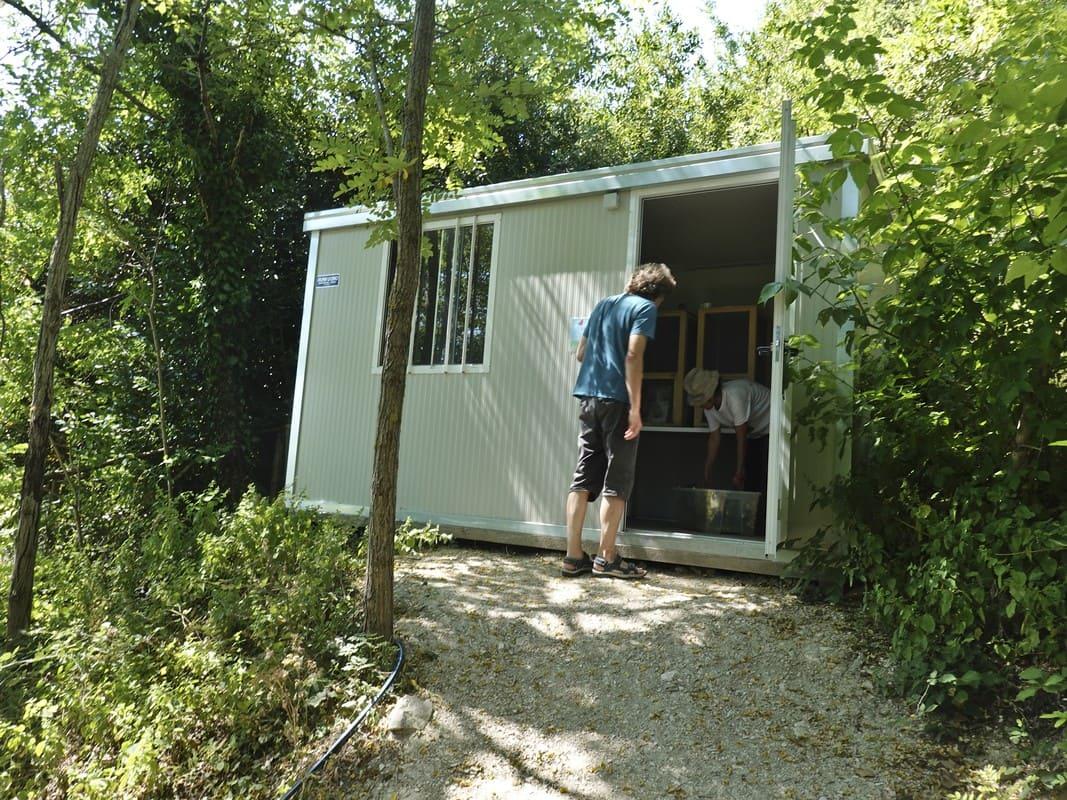
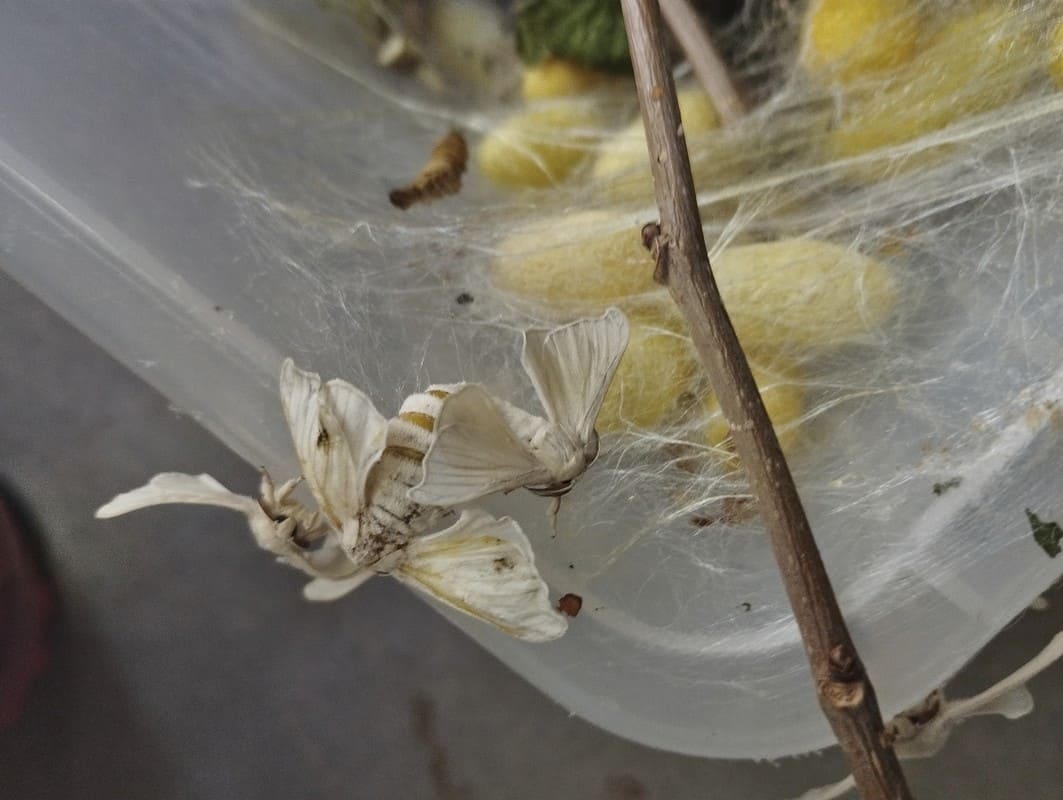
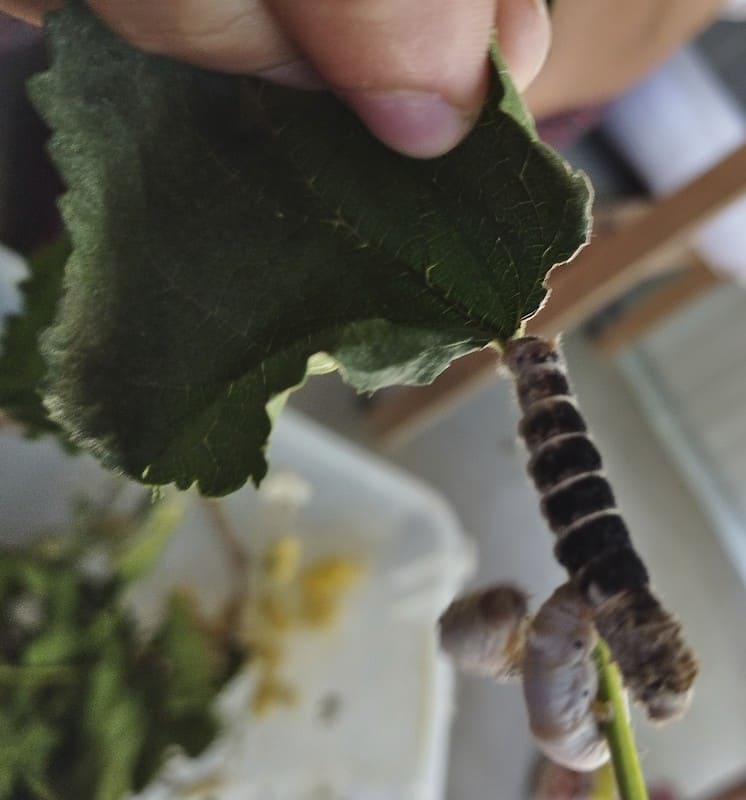
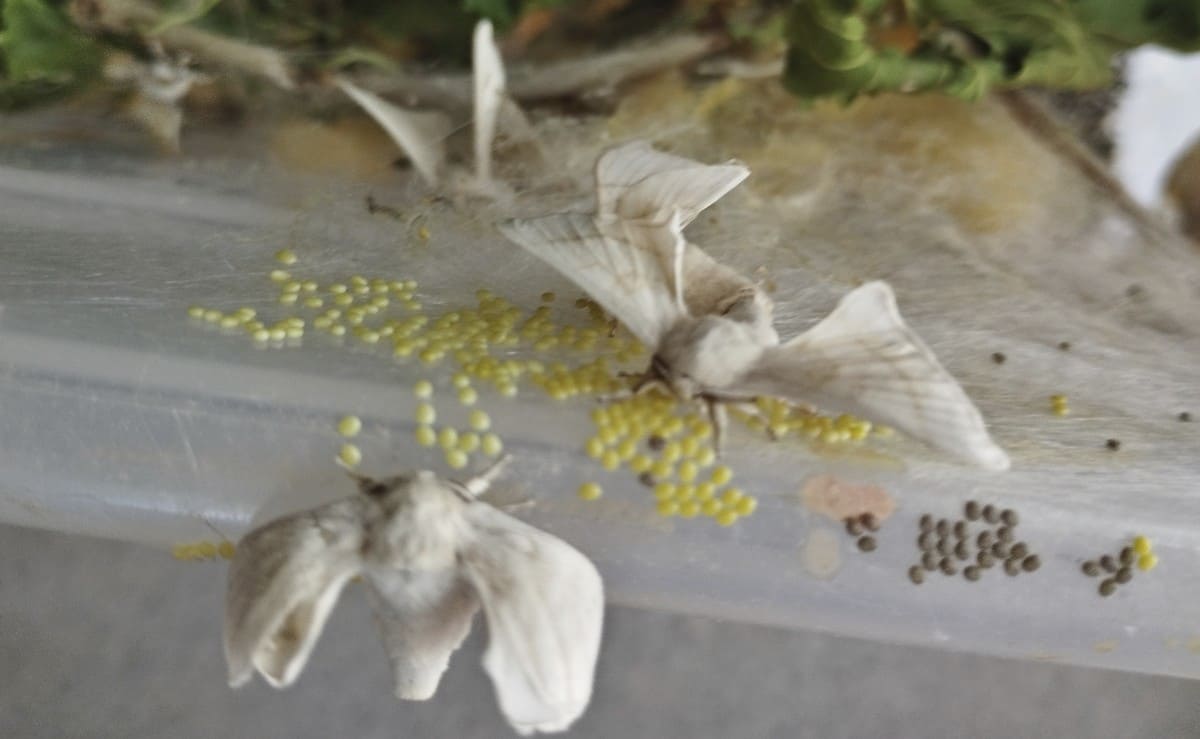
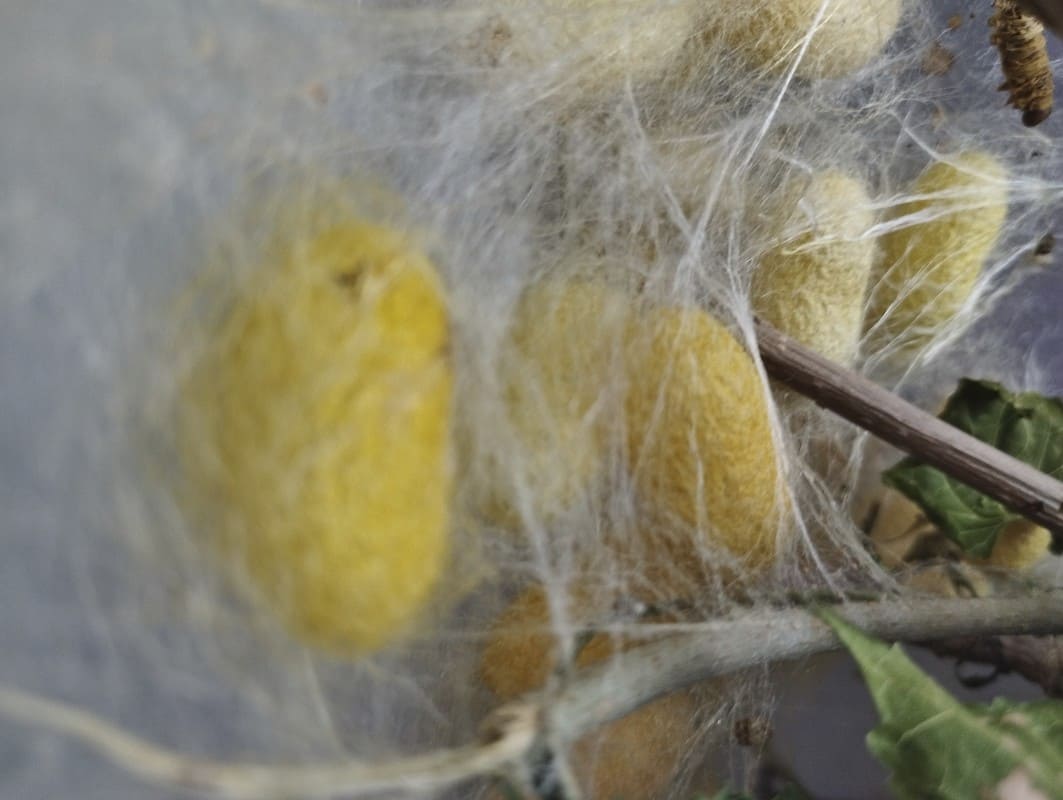
Finally, we reach the Caterpillar Farm, where silkworms are raised on mulberry leaves, just as local farmers once did. Silk production used to be an important side income in Le Marche, with Jesi boasting a thriving silk industry for many years (which we spoke about some time ago)
We discover how cocoons were boiled to unwind the threads, and how selective breeding over centuries left silkworm moths unable to fly. It’s a fascinating glimpse into both nature and history.
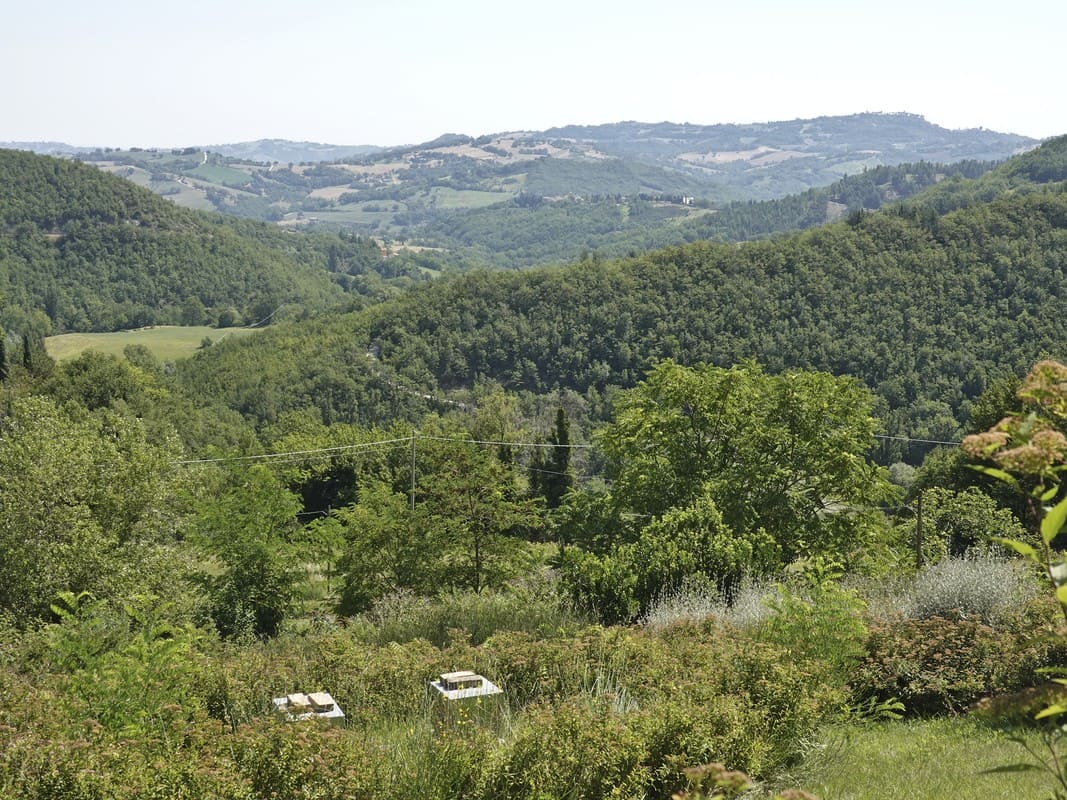
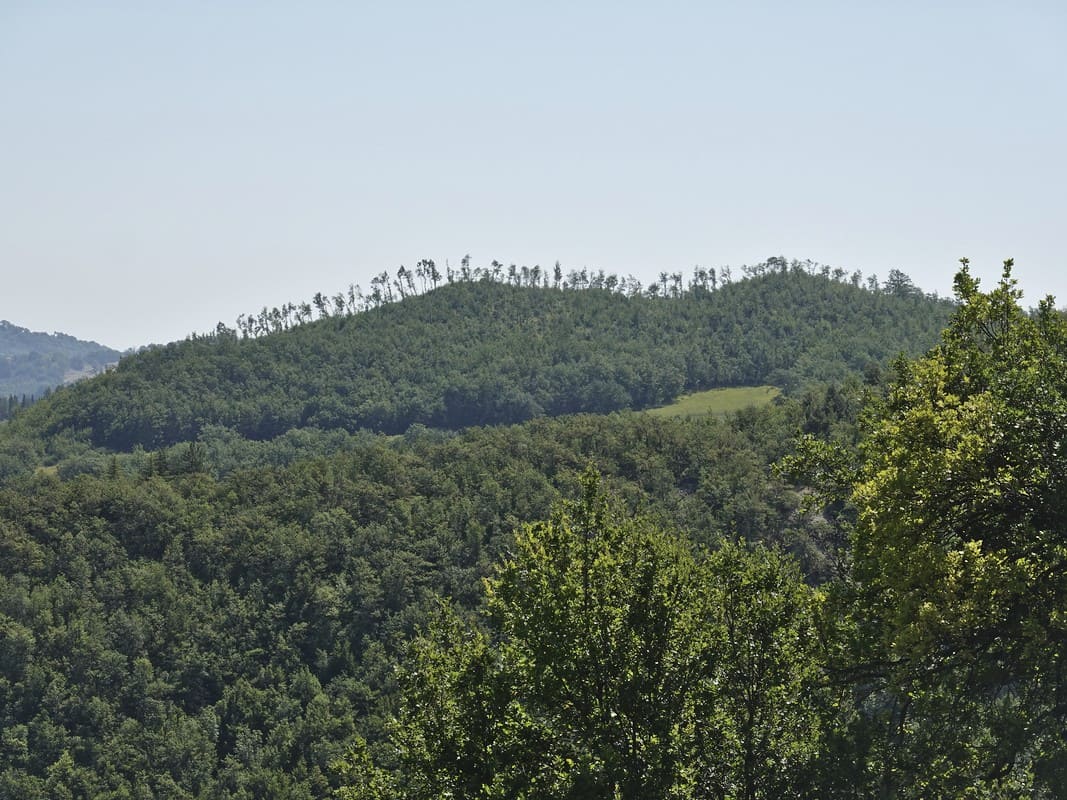
The guided visit ends here, but you’re free to wander the park on your own and enjoy the views. There’s also a kiosk with drinks and snacks — though for us it was a bit early to indulge.
We left the Butterfly Garden not only with lovely memories, but also a lot more knowledge about butterflies, moths, and their world!
Tips:
- Season & Hours: The garden is open from mid-April through September, but hours vary by month. In July and August it’s open daily from 10:00–17:00, with hourly guided tours (last tour at 16:00). Check the website for other months.
- Activities for Kids: Many workshops and special events are organized, announced on their Facebook page
- Entry Fee: Adults €7; children (3–12 years) €5.

0 Comments