Lago di Fiastra – Reservoir and Outdoor Paradise
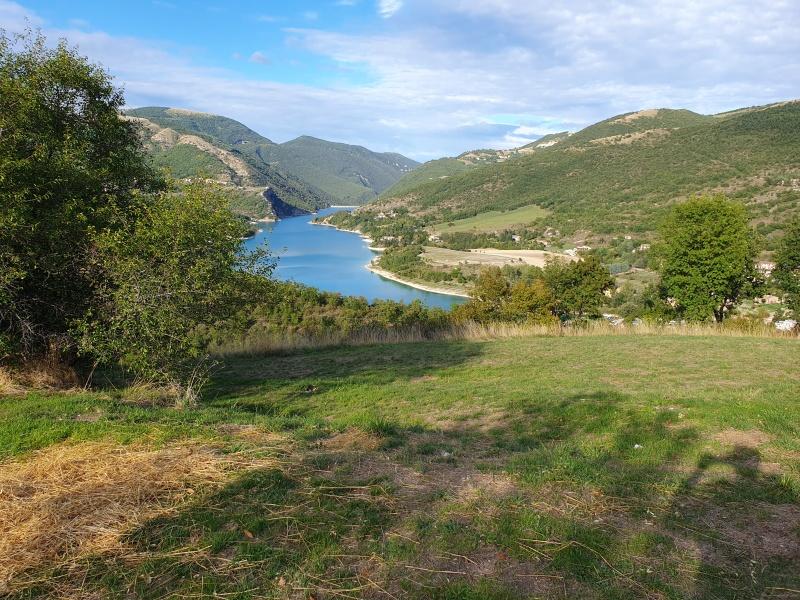
Lago di Fiastra lies at 641 meters above sea level in the province of Macerata, in the northern part of the Monti Sibillini National Park in Le Marche. It’s a favorite destination for nature lovers, offering just about every outdoor activity you can think of: camping right by the water, hiking, mountain biking (with rental stations available), canoeing, pedal boating, horseback riding, climbing, swimming, and fishing. Ski resorts such as Bolognola are only 10–20 km away.
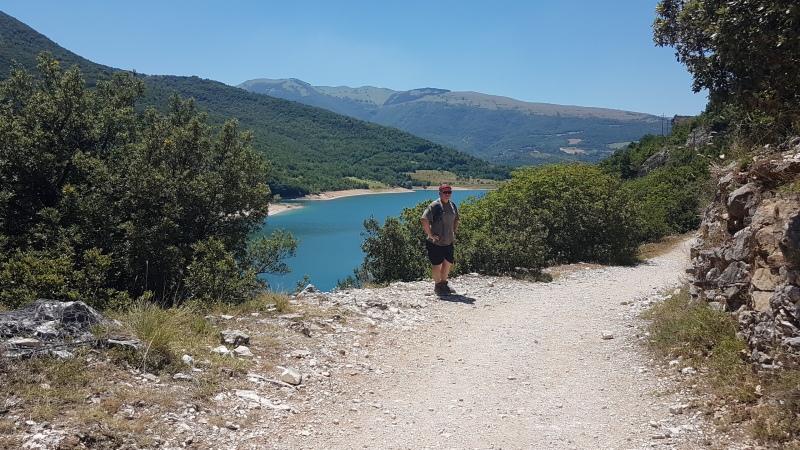
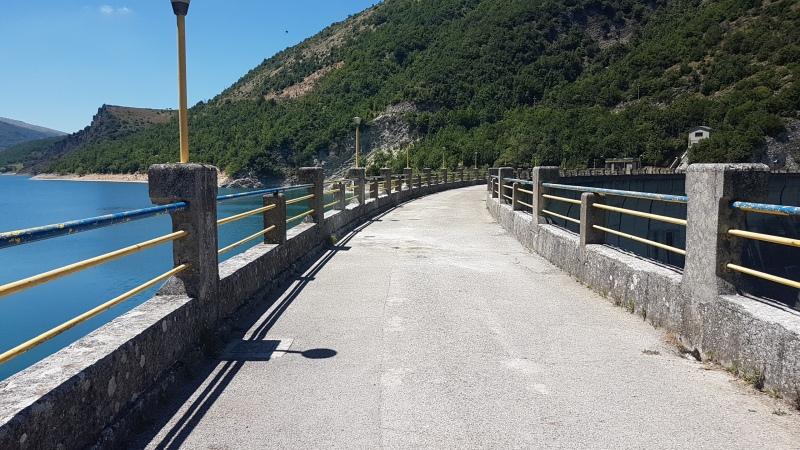
The reservoir was created in the 1950s to supply electricity to the Fiastrone Valley and stretches about 4 kilometers in length.
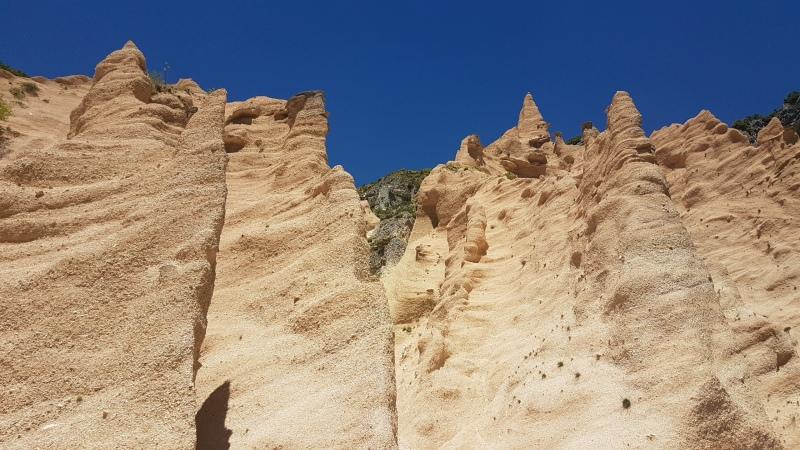
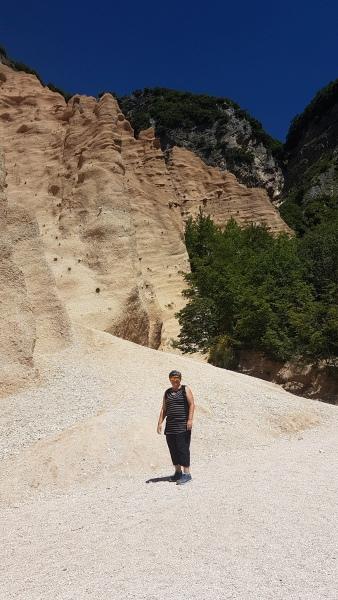
We had already visited a few years ago to hike one of the region’s most popular trails: the path to the spectacular red rock formations known as Lame Rosse – often called the “Grand Canyon of Le Marche.”
Elke went back last year to experience some more of what the lake has to offer. Here is her story:
San Lorenzo al Lago
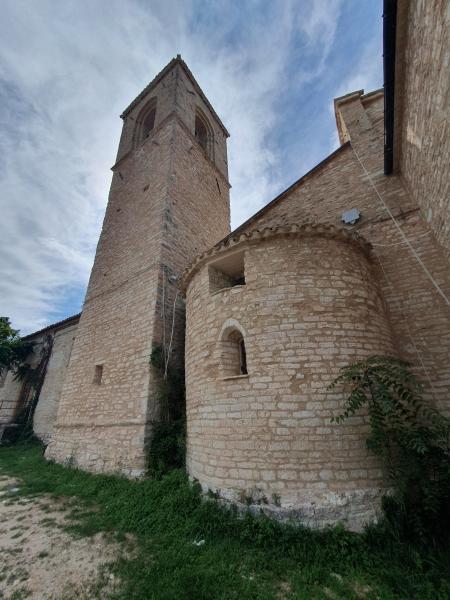
This year, in early September, I returned to explore more of the lake, starting with San Lorenzo al Lago. The village is relatively new, built after the reservoir was created in 1955. At its center, however, stands the much older Church of San Lorenzo, dating back to the 11th–12th centuries. Sadly, it was closed due to damage from the 2016 earthquake, though it reportedly houses beautiful frescoes from the Camerino school (13th century).


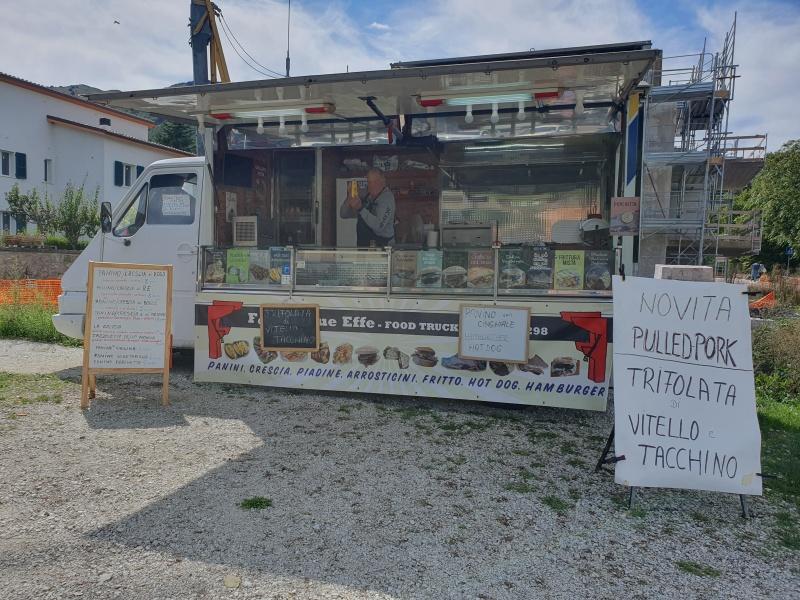
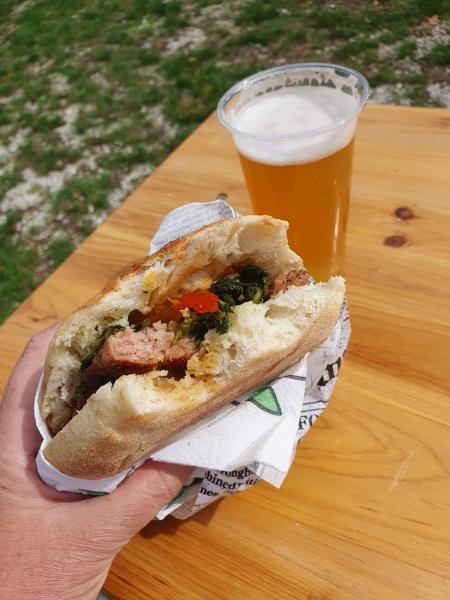
After the 1.5-hour drive, I treated myself to a crescia with fennel sausage from a food truck in the parking lot. Seeing the local Carabinieri stop there for lunch convinced me it must be good – and it was.
From there, I headed down to the beach. It’s equipped with a pedal-boat rental and, in summer, loungers for hire.
Nature Trail along the Lake
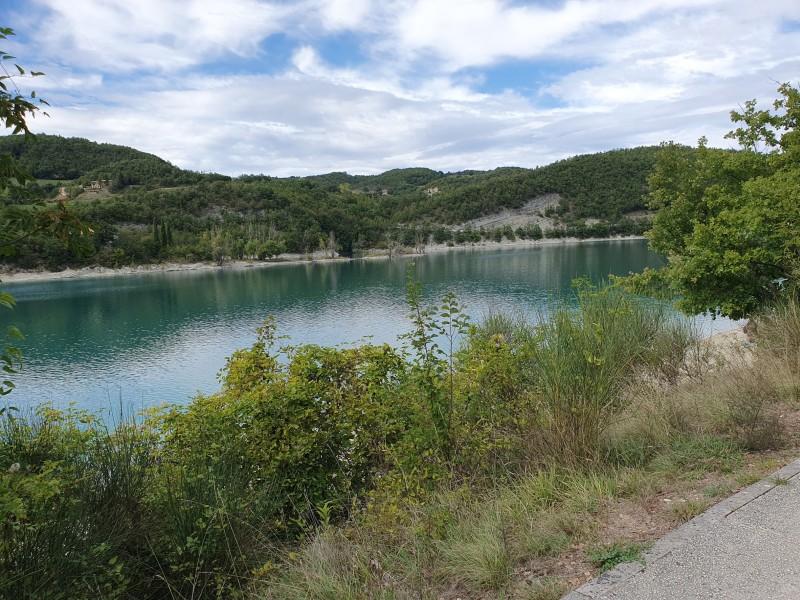
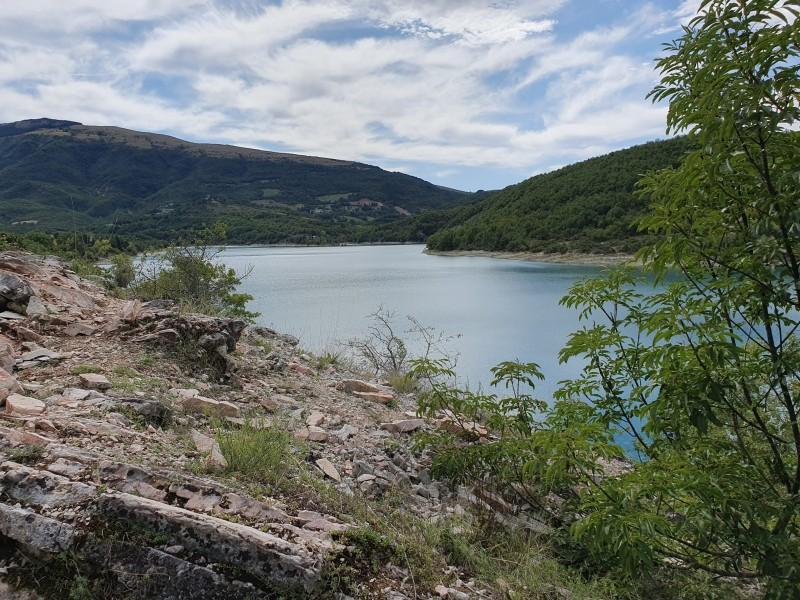
What I really wanted, though, was the nature trail: a 2.8 km path along the lakeshore. The first stretch is paved, lit in the evening, and equipped with water fountains, benches, and toilets. It’s even barrier-free – except for a small wooden bridge at the start, which was unfortunately closed. The suggested detour past the sewage plant didn’t seem wheelchair-friendly. Hopefully, the bridge will be repaired soon.
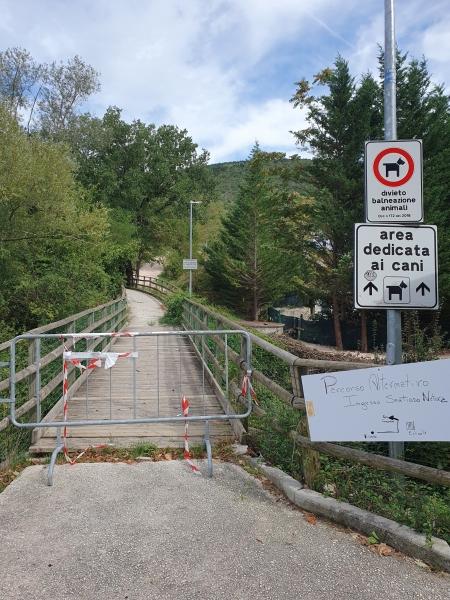
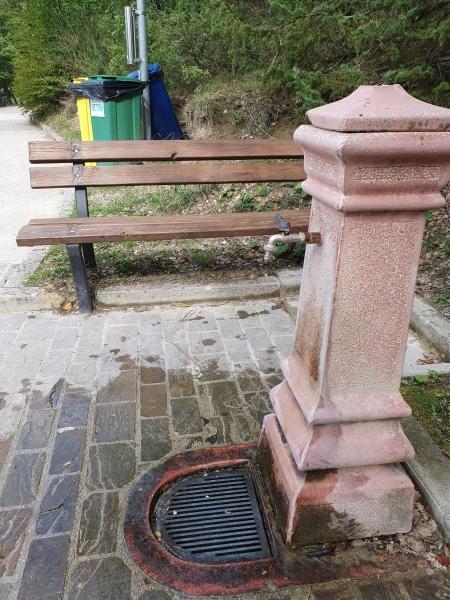
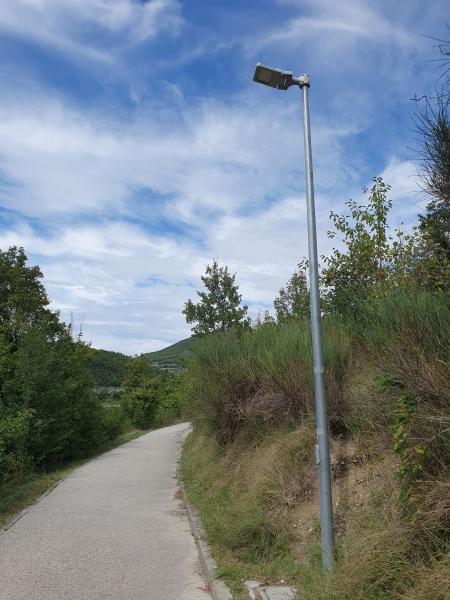
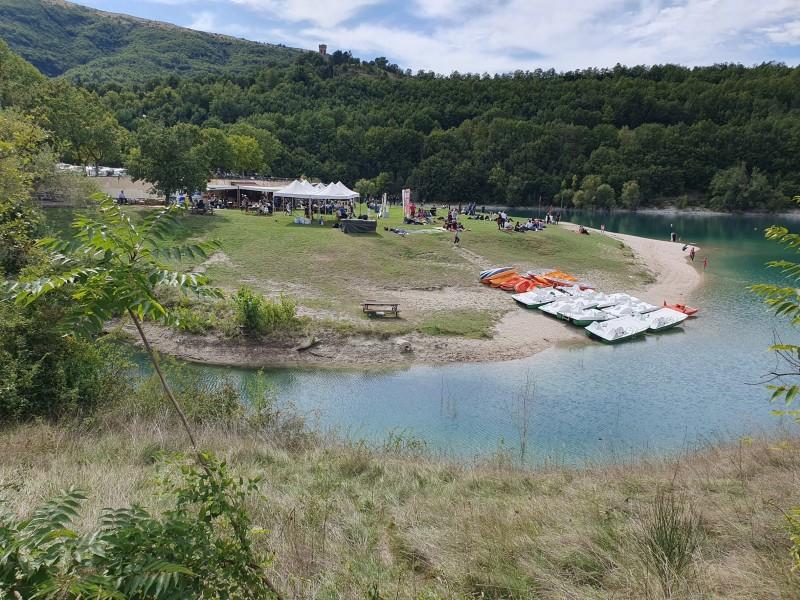
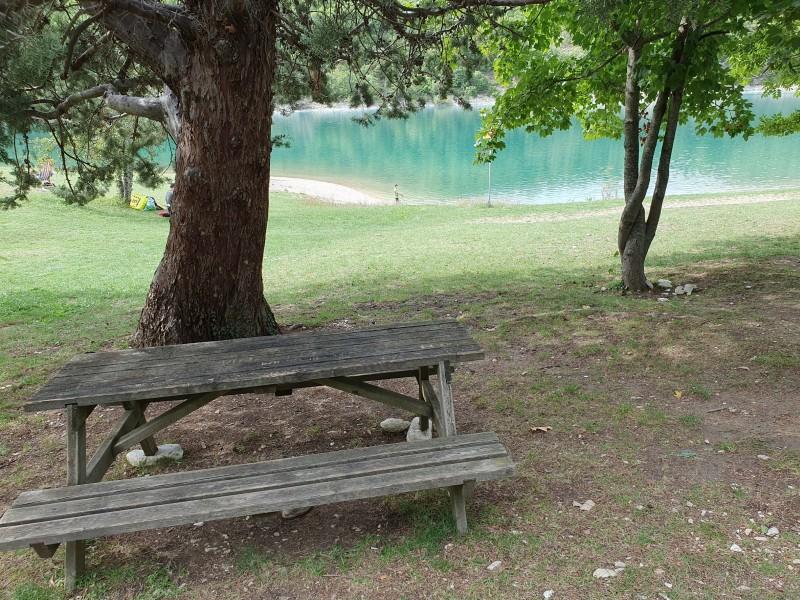
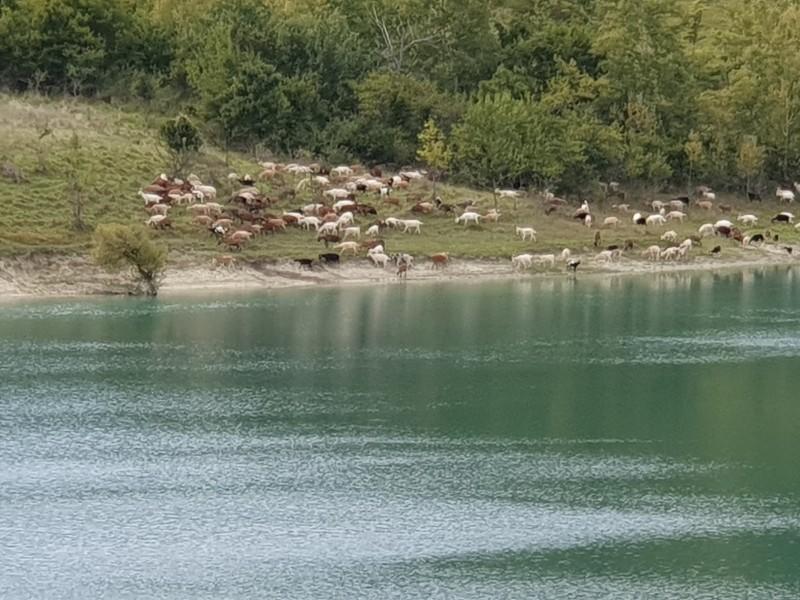
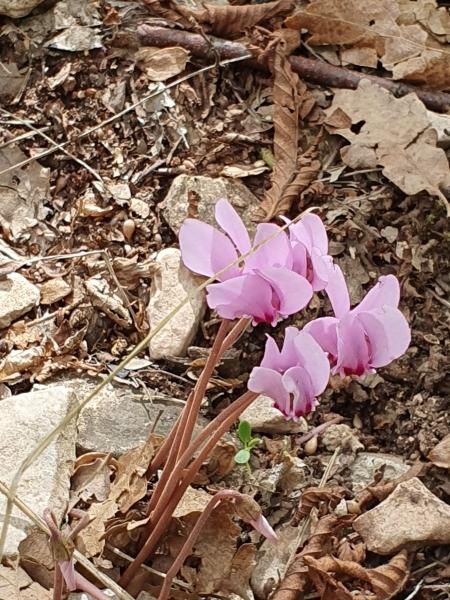
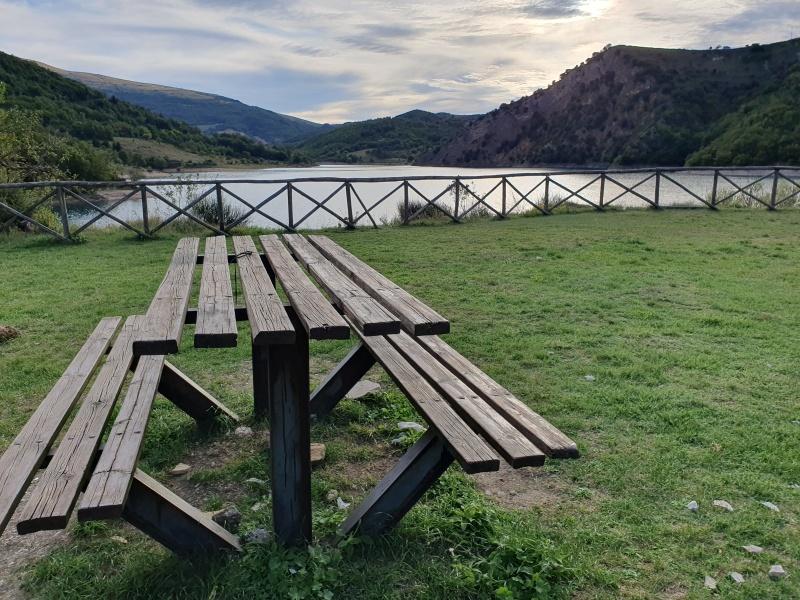
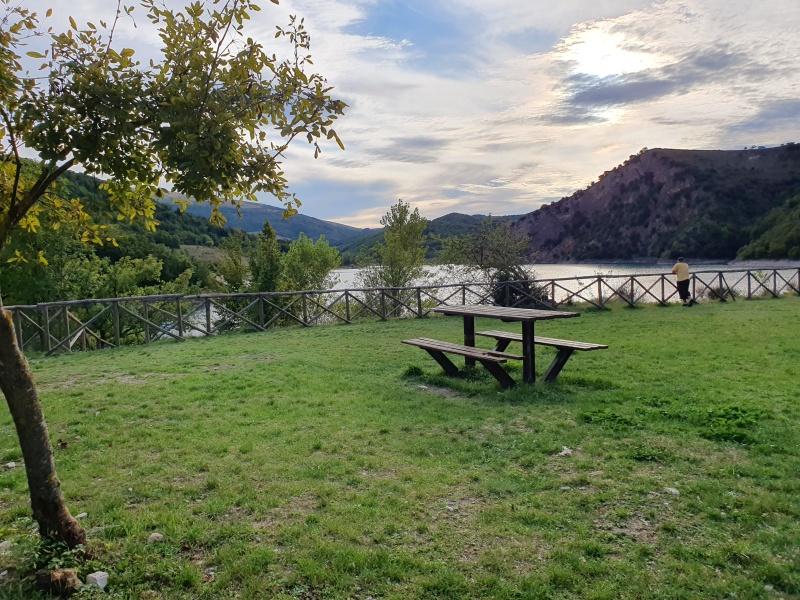
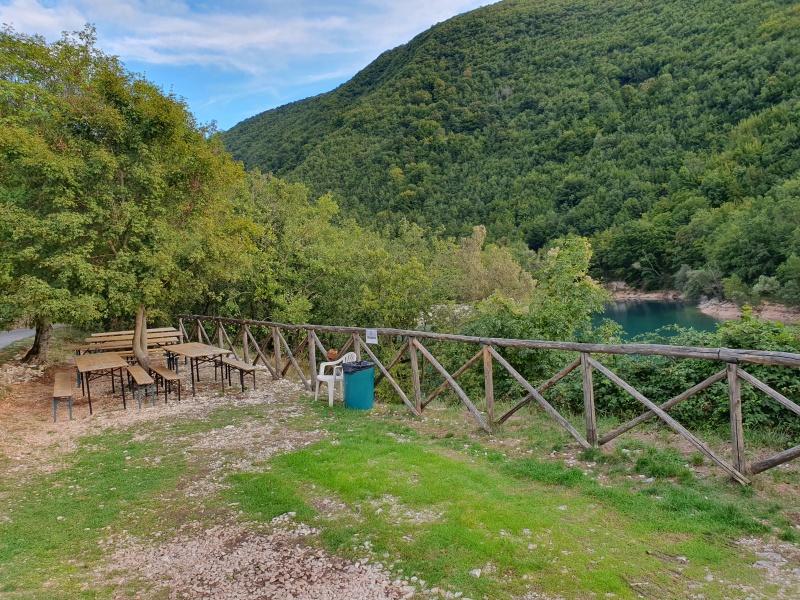
Despite that hiccup, the walk was stunning. The views along the entire trail were gorgeous, with picnic spots, a dog beach, autumn cyclamen already blooming, and the sound of goat bells drifting across from the opposite shore. Pure relaxation – and in early September, hardly crowded at all.
Fiastra – the old village
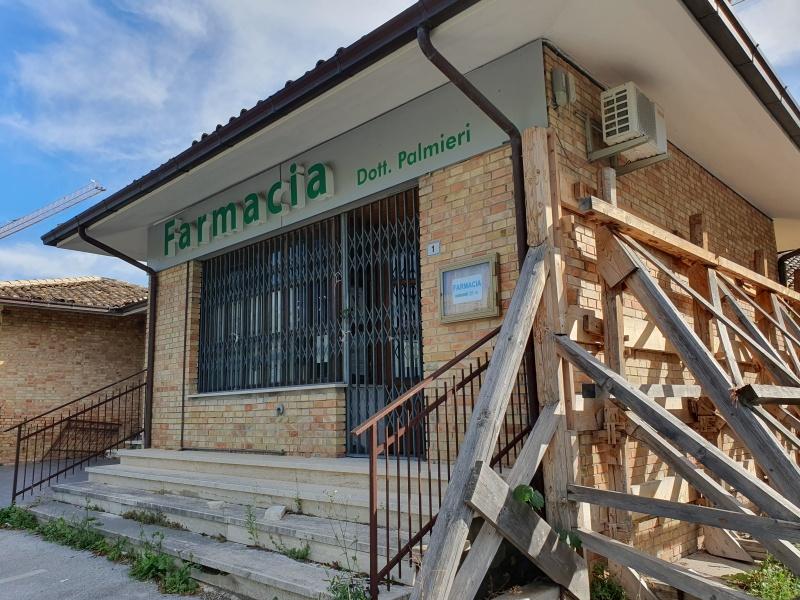
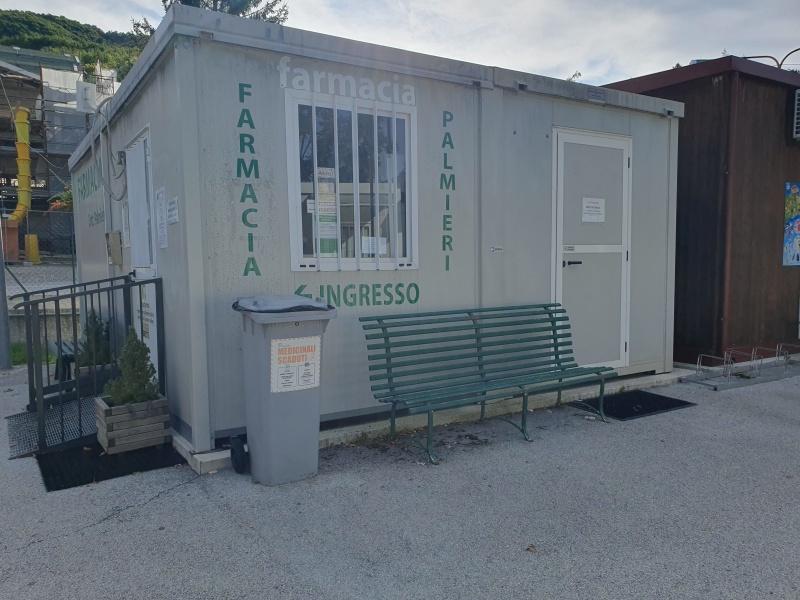
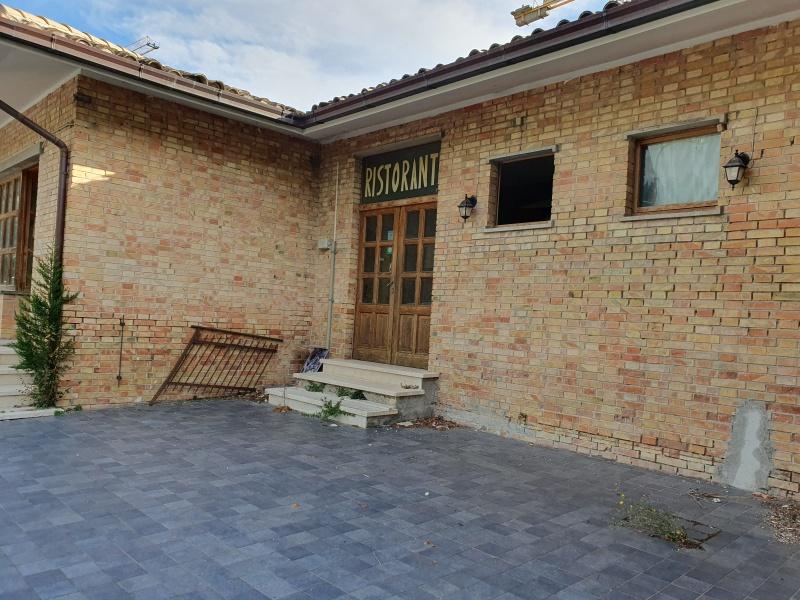
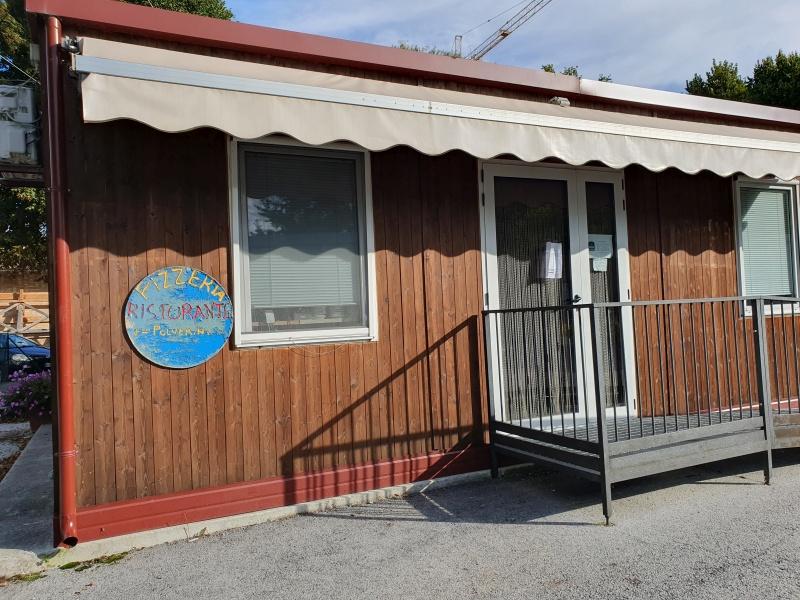
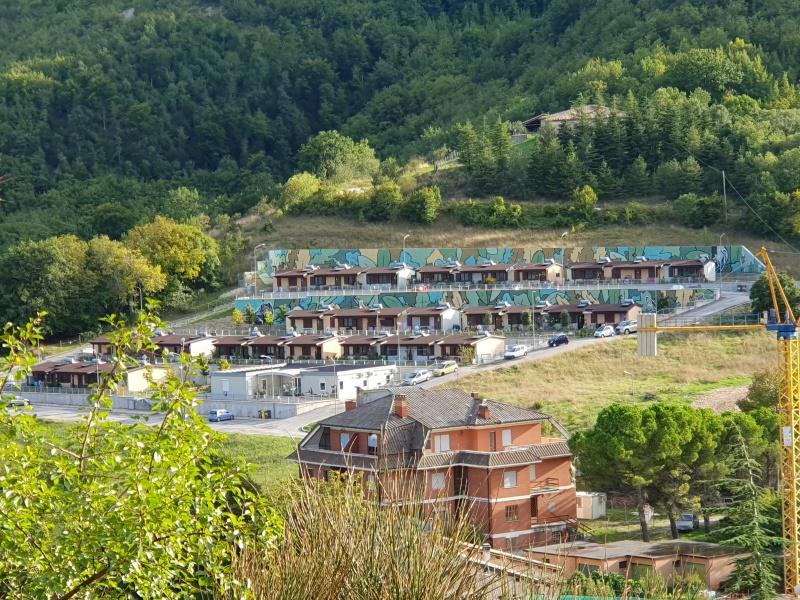
Back at the parking lot, I met up with my husband Otto, who had arrived by bike. Together, we drove to the old village of Fiastra. The 2016 earthquake hit it hard, so many businesses – pizzeria, pharmacy, supermarket, even the police station – were still operating out of containers. A temporary container settlement had been built on the outskirts for residents.
Castello dei Conti Magalotti and San Paolo Church
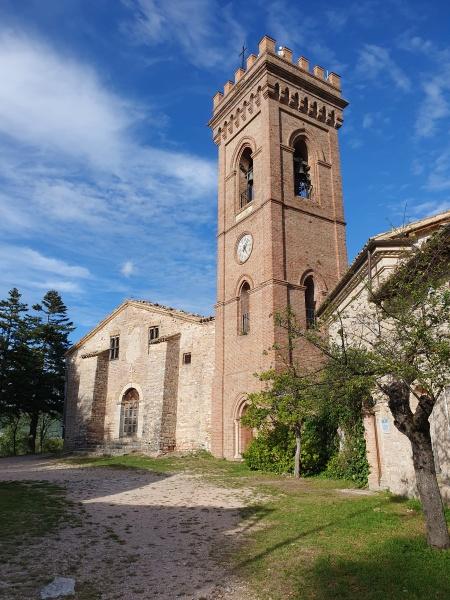
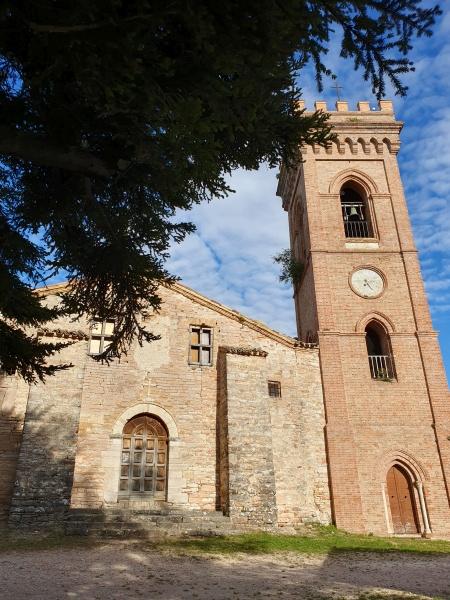
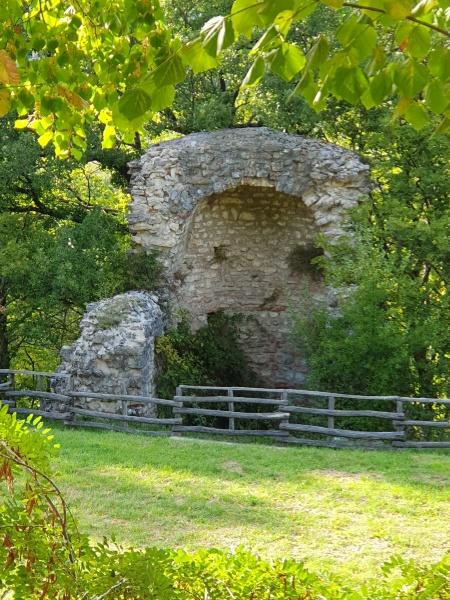
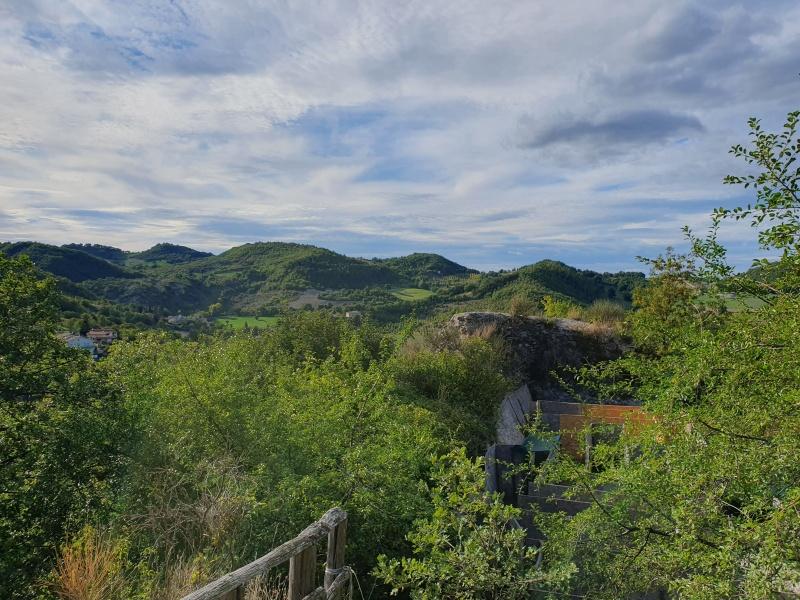
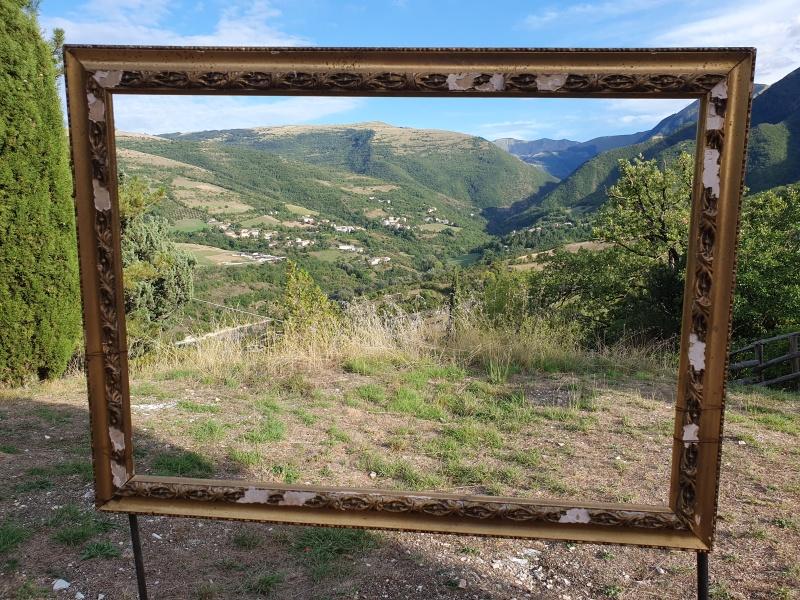
From here, we climbed the short 200-meter path up to the remains of the Castello dei Conti Magalotti. Once a mighty 9th-century fortress with seven towers and a 580-meter-long wall, only ruins remain today. Within the castle walls lies the Church of San Paolo, originally built in 515 by Duke Faroaldo I of Spoleto and renovated in 705 by his successor Faroaldo II. The bell tower, from 1914, was likely built on the site of one of the old towers. The church was closed, but the views over the lake and Sibillini Mountains alone made the stop worthwhile.
Church Madonna del Sasso Bianco
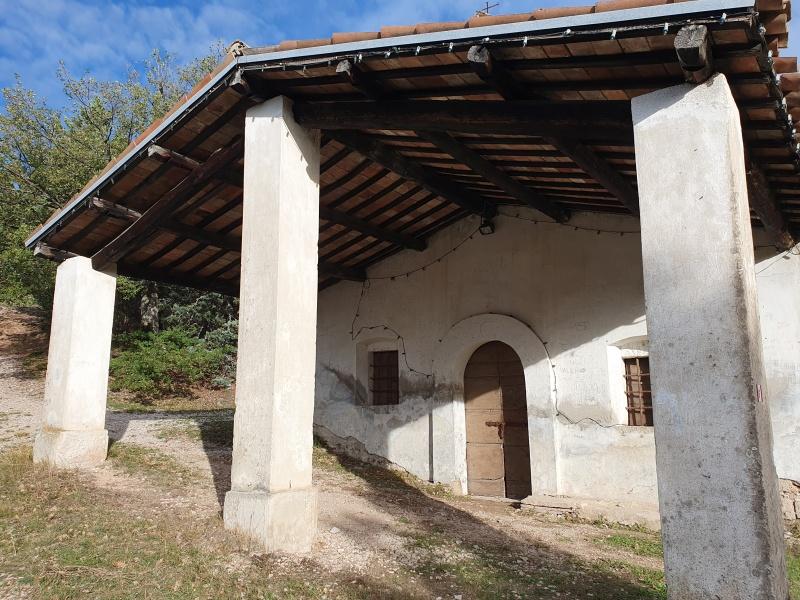
Our final stop before heading home was the Church of Madonna del Sasso Bianco (“Madonna of the White Rock”), reached from San Lorenzo al Lago. Feeling lazy, we drove most of the way up, though the last stretch of unpaved road is best tackled with a 4×4.
Legend has it the church was built on the spot where a poor traveler perished in a snowstorm, having set out after visiting taverns in Fiume – a once-bustling village now submerged beneath the lake.
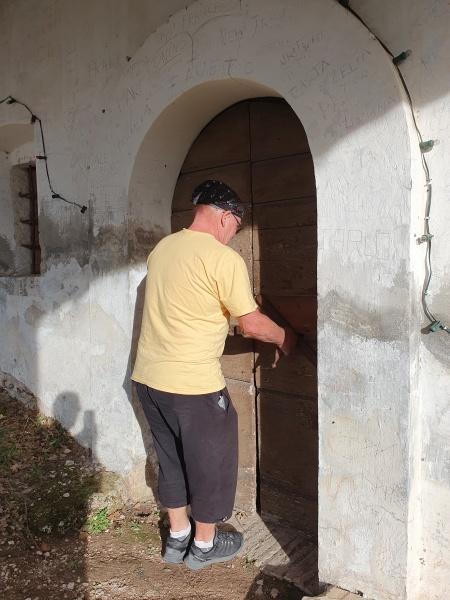
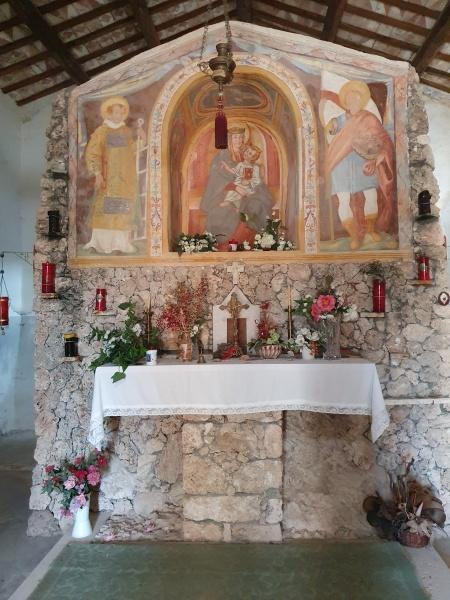
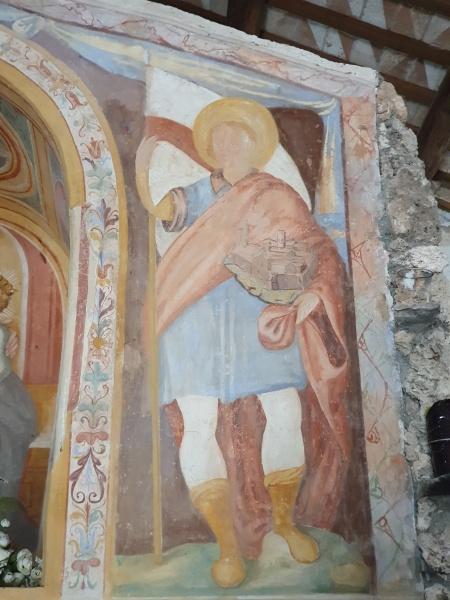
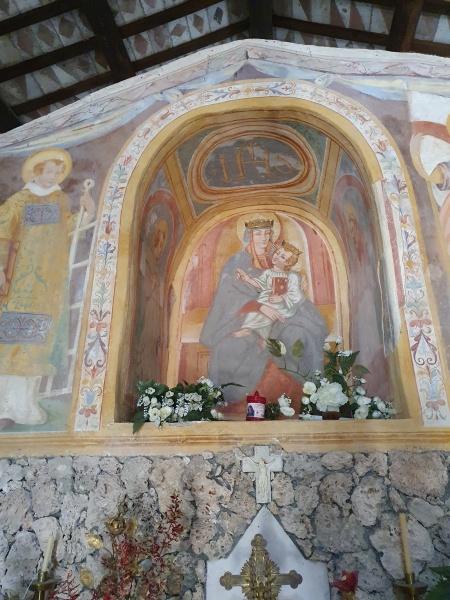
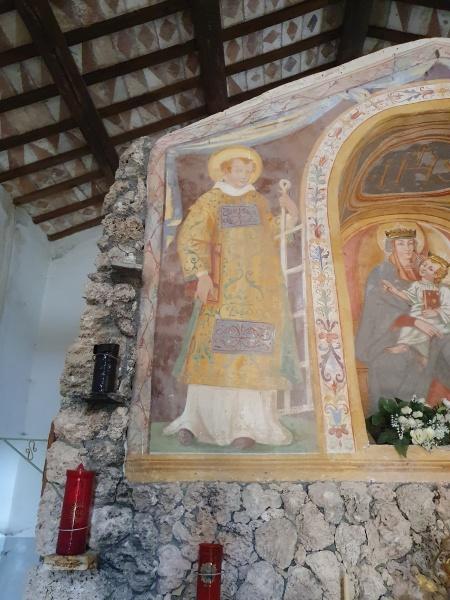
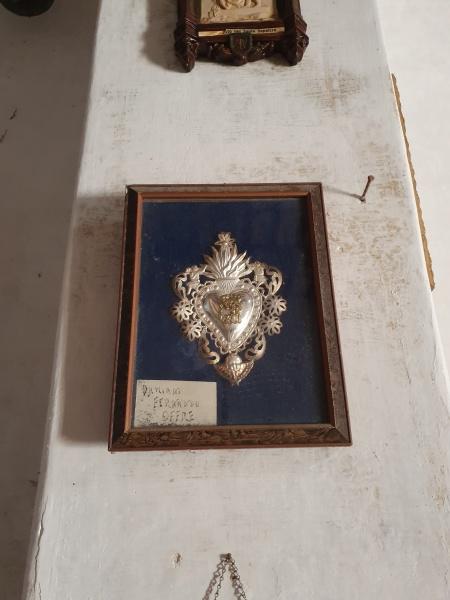
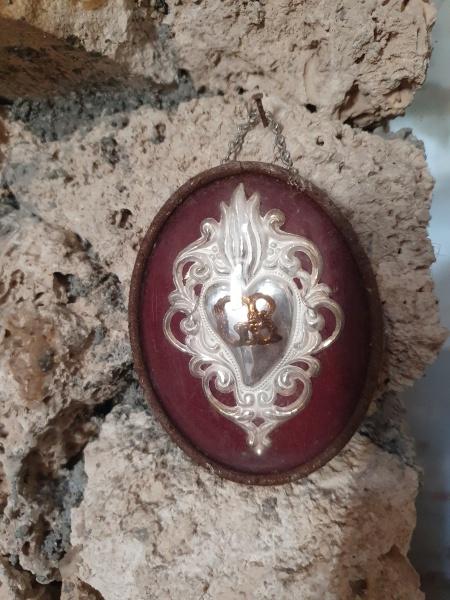
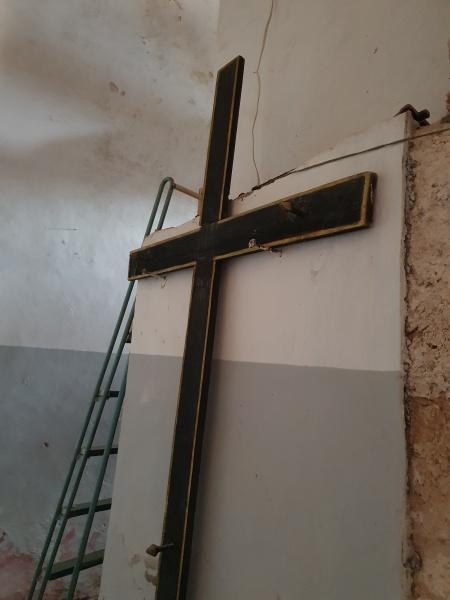
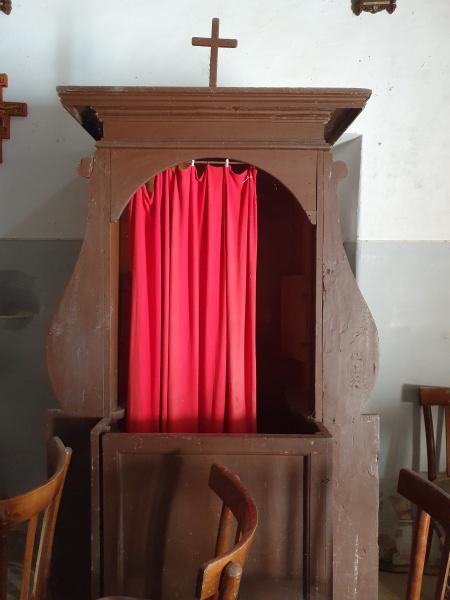
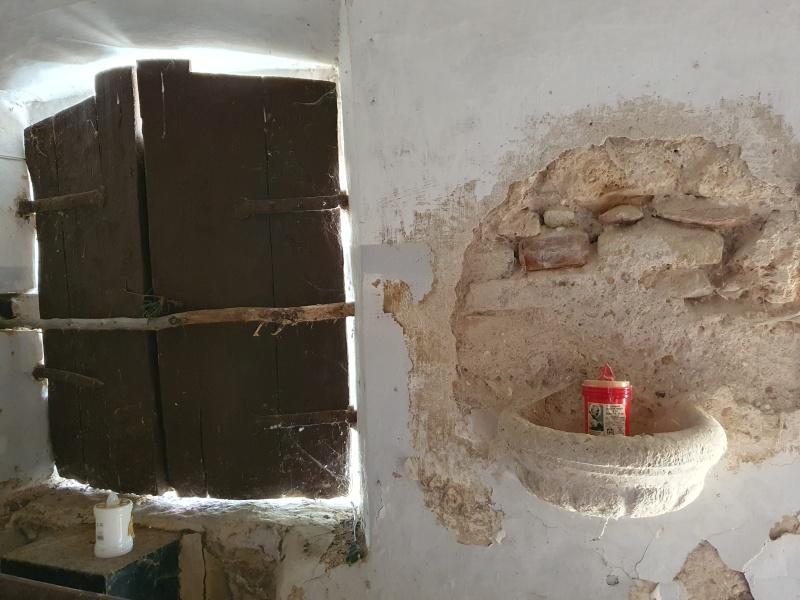
From the outside, the church is very plain, built in the 15th century with a portico (likely concrete) added in the 20th. The interior, however, was unexpectedly moving in its simplicity: a single room with a large stone altar, a niche of frescoes from 1612 depicting the Madonna Regina, Saint Anthony of Padua, and Saint Charles, and votive offerings hung on the walls by grateful believers. Dim light from a tiny window and a simple holy-water font emphasized the austerity of the space.

Tips
Best season: June–August for peak outdoor activities, but May, September, and October are quieter and just as beautiful.
Base: San Lorenzo al Lago is the main hub, with a lakeside campsite, pedal-boat and bike rentals, and guided excursions. There’s also a climbing park between San Lorenzo and Fiastra.
Food & drink: San Lorenzo has a few restaurants and bars; Fiastra has a well-rated pizzeria. Many places, including small supermarkets, serve fresh panini or crescia. Between San Lorenzo and the dam, there’s a scenic picnic spot with views, often served by a good food truck (though it was closed by the time we passed in the evening).
0 Comments